

Operation Process and Working Principle of PVC Resin Powder Pneumatic Conveying Equipment
HeadPowder, a leading manufacturer based in Shandong, China, specializes in the design and production of advanced pneumatic conveying equipment tailored for handling PVC resin powders. This article delves into the operational process and underlying principles of such systems, highlighting their efficiency and reliability in industrial applications.
Understanding the Core Components and Functionality
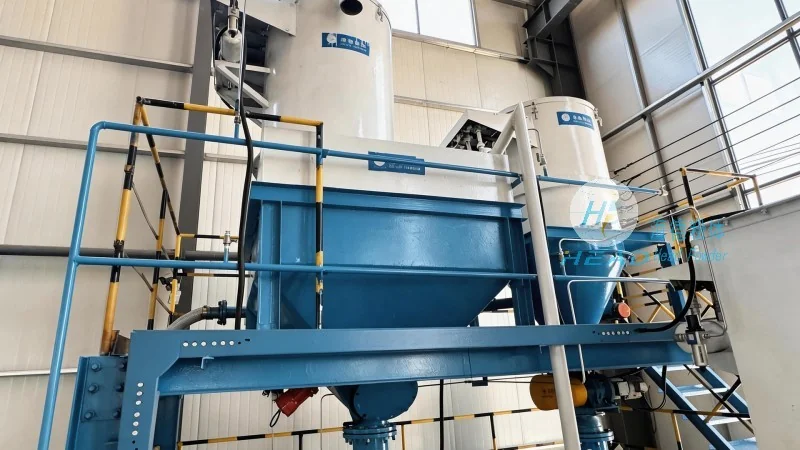
The pneumatic conveying system for PVC resin powders typically consists of several key components, each playing a crucial role in the material transport process. These include a hopper for material storage, a rotary valve or feeder to control the flow rate, a conveying line (often equipped with pressure vessels or vacuum units), and a receiver for the discharged material. The system operates by utilizing air or gas as the medium to transport the powder, either through positive pressure (where air is blown into the system) or negative pressure (where air is drawn out). For PVC resin powders, which are often fine and abrasive, the choice of conveying method and equipment design is critical to ensure minimal product degradation and system longevity.
The Detailed Operation Process
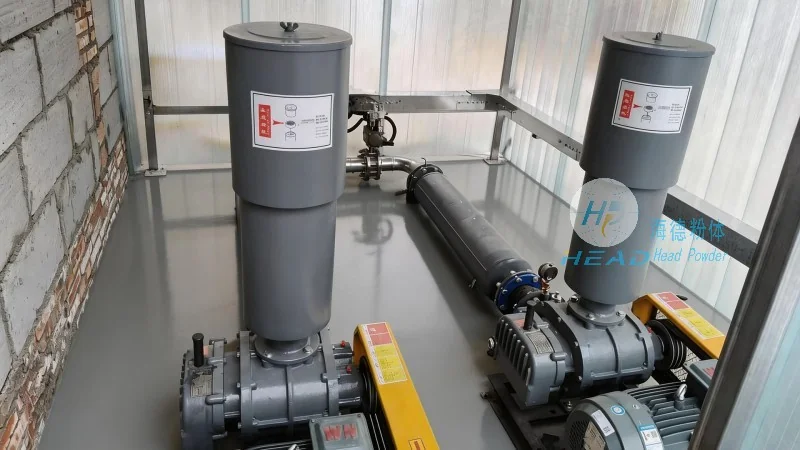
The operation process of a PVC resin powder pneumatic conveying system begins with the loading of the resin powder into the hopper. The rotary valve or feeder then regulates the flow of the powder into the conveying line. In a positive pressure system, a blower or compressor generates the necessary air pressure, which pushes the powder particles through the pipeline. The air and powder mixture travels through the conveying line, which may include bends, expansions, or special fittings to maintain consistent flow and prevent blockages. The receiver at the end of the line collects the conveyed powder, and the air is either filtered and recycled or vented to the atmosphere, depending on the system configuration. The entire process is controlled by a programmable logic controller (PLC) or other automation systems, which monitor pressure, flow rates, and other parameters to ensure optimal performance and safety.
Working Principle Explained
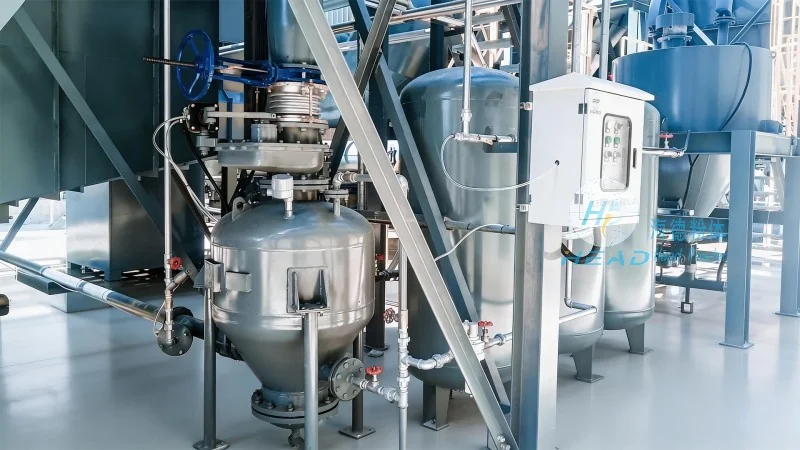
The working principle of pneumatic conveying for PVC resin powders is based on the interaction between the powder particles and the air stream. In the case of a positive pressure system, the high-pressure air creates a drag force on the powder particles, lifting them from the hopper and moving them through the pipeline. The velocity of the air is carefully controlled to ensure that the powder particles are carried without settling or clogging. The design of the conveying line, including the diameter and length, as well as the angle of the bends, is optimized to minimize pressure drop and energy consumption. For PVC resin powders, which have a tendency to agglomerate or form static charges, anti-static measures such as grounding and ionizers are often incorporated into the system to prevent material buildup and ensure smooth operation.
Benefits and Applications in Industrial Settings
Pneumatic conveying systems for PVC resin powders offer several advantages over traditional mechanical conveying methods. These include reduced product contamination, lower maintenance requirements, and the ability to handle fine or abrasive materials without damage. The systems are widely used in various industries, including plastics manufacturing, where PVC resin powders are transported from storage to processing equipment, and in chemical processing, where the material is moved between reactors and storage tanks. The efficiency and reliability of these systems make them a preferred choice for companies seeking to improve their material handling processes and enhance overall productivity.
Conclusion and Company Overview
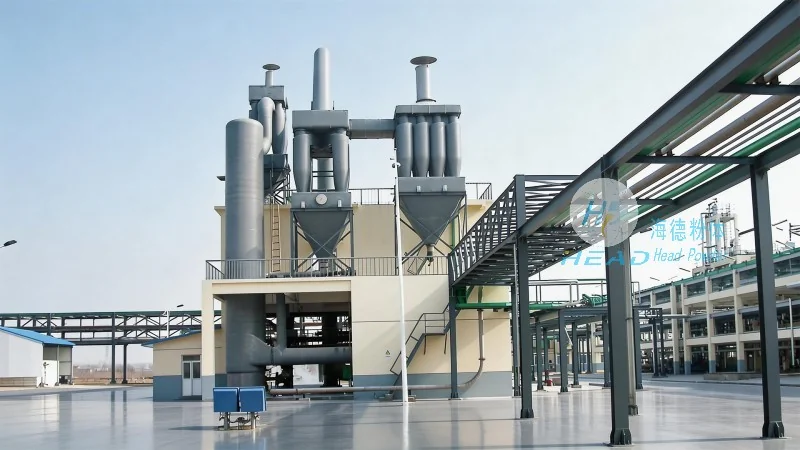
HeadPowder Engineering Co., Ltd., with its headquarters in Shandong, China, is committed to providing high-quality pneumatic conveying solutions for PVC resin powders. By leveraging advanced engineering and manufacturing techniques, the company ensures that its equipment meets the stringent requirements of industrial applications, offering durability, efficiency, and safety. The operational process and working principles outlined in this article demonstrate the sophistication of modern pneumatic conveying systems, which continue to play a vital role in the efficient handling of bulk materials in various industries.