

Operation Process and Working Principle of the Powder Bag Dust-Free Feeding Station Material Conveyi
HeadPowder, a leading provider of industrial powder handling solutions, specializes in the design, manufacturing, and installation of advanced material conveying systems. The Powder Bag Dust-Free Feeding Station is a critical component in many industrial applications, ensuring efficient and safe material transfer while maintaining a clean environment. This article will explore the operation process and working principle of the equipment, highlighting its key features and benefits.
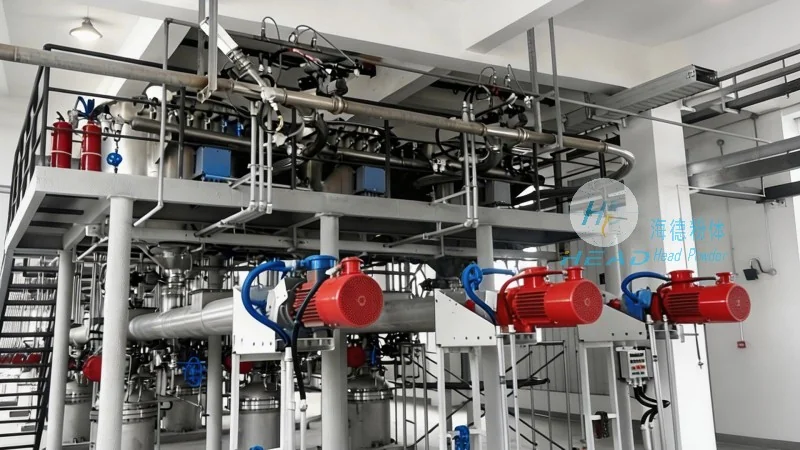
Introduction to the Powder Bag Dust-Free Feeding Station
Before delving into the operational details, it's essential to understand the purpose and structure of the Powder Bag Dust-Free Feeding Station. This system is engineered to handle bulk materials from sealed bags, converting them into a controlled flow for downstream processes. The station integrates several key components, including a bag opening mechanism, a dust collection system, and a material transfer unit, all working in harmony to minimize dust generation and ensure consistent material delivery.
Key Components and Their Functions
The Powder Bag Dust-Free Feeding Station consists of several interconnected parts, each playing a vital role in the overall operation. The primary components include:
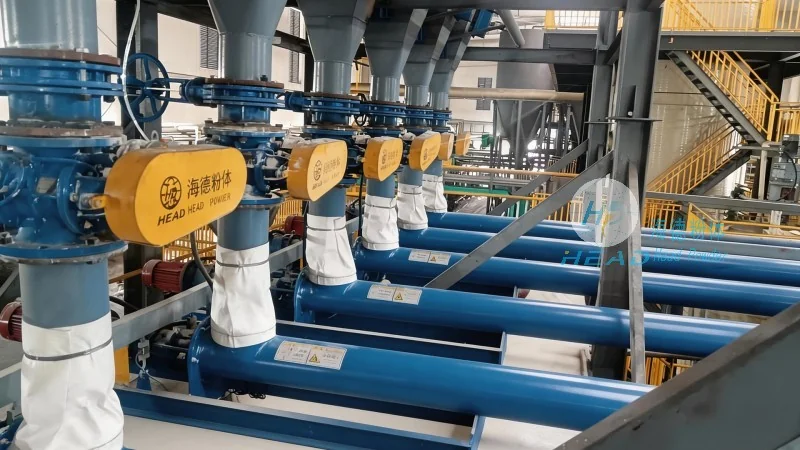
- Bag Opening Unit: This component is responsible for safely opening the sealed powder bags without releasing dust into the environment. It typically uses a mechanical or pneumatic system to cut or tear the bag open, allowing the material to be discharged into the hopper.
- Dust Collection System: Equipped with high-efficiency filters and a vacuum or pressure system, this unit captures any airborne particles during the bag opening and material discharge process. The collected dust is then filtered and stored for safe disposal or reuse, ensuring compliance with environmental regulations.
- Material Hopper: A large, airtight container that holds the material discharged from the bags. The hopper is designed to maintain a consistent material level and prevent caking or segregation, which could affect the flow rate.
- Conveying System: This includes components such as a screw conveyor, pneumatic conveyor, or rotary valve that transports the material from the hopper to the next processing stage. The choice of conveying method depends on the material properties and the required flow rate.
- Control Panel: An integrated control system that monitors and regulates the operation of all components. It allows operators to adjust parameters such as flow rate, pressure, and dust collection efficiency, ensuring optimal performance.
Operation Process of the Powder Bag Dust-Free Feeding Station
The operation of the Powder Bag Dust-Free Feeding Station follows a systematic sequence, ensuring efficient material handling and minimal environmental impact. The process typically involves the following steps:
- Bag Placement: The sealed powder bag is placed into the designated position in the station. The bag is usually positioned on a support frame or a conveyor system that moves it into the opening mechanism.
- Bag Opening: The bag opening unit activates, using a mechanical cutter or a pneumatic tear-off device to open the bag. This step is designed to be dust-tight, with the opening mechanism enclosed in a sealed housing to contain any particles.
- Material Discharge: Once the bag is opened, the material flows into the hopper under gravity or with the assistance of a slight vacuum. The dust collection system simultaneously operates, capturing any airborne particles from the discharge process.
- Material Transfer: The conveying system, controlled by the central control panel, begins to transport the material from the hopper to the downstream equipment. The flow rate is adjusted based on the requirements of the next process, ensuring a consistent and controlled delivery.
- Dust Collection and Disposal: The captured dust is filtered and stored in a separate container. The filtered air is then released back into the environment, meeting the required air quality standards.
- System Shutdown: After the material transfer is complete, the control panel signals the system to shut down. The dust collection system continues to operate for a short period to clear any residual particles from the system before the station is fully powered off.
Working Principle of the Dust-Free Conveying Mechanism
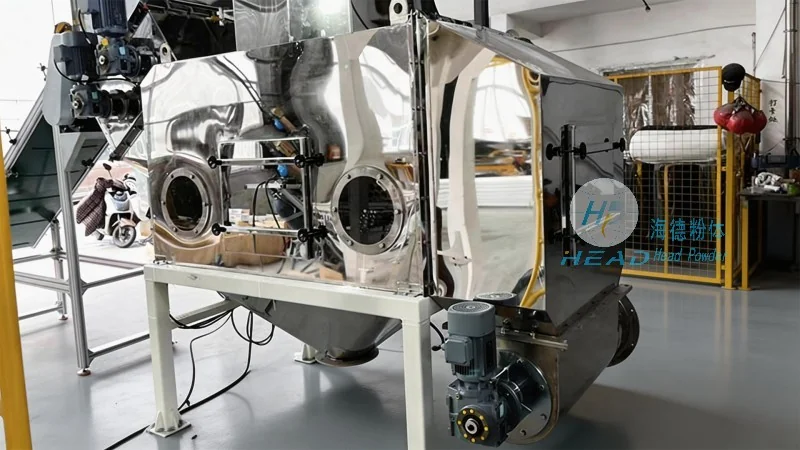
The working principle of the Powder Bag Dust-Free Feeding Station is centered around the concept of creating a sealed environment to prevent dust from escaping. The system utilizes a combination of mechanical and pneumatic controls to achieve this. The bag opening mechanism is enclosed in a sealed chamber, which is connected to the dust collection system. As the bag is opened and material is discharged, the chamber maintains a slight negative pressure, drawing in any airborne particles and directing them into the filtration system.
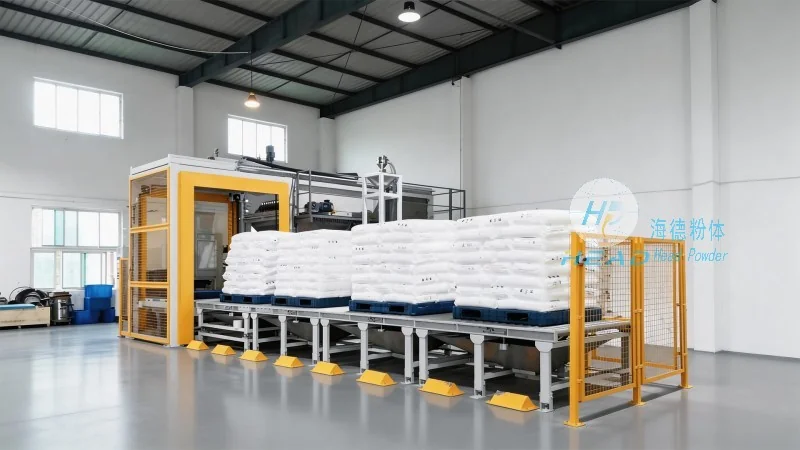
The material transfer component, such as a screw conveyor or pneumatic conveyor, operates within a sealed housing. The housing is connected to the dust collection system, ensuring that any particles generated during the conveying process are captured and filtered. The control panel monitors the pressure and flow within the system, adjusting the operation of the conveying mechanism to maintain optimal performance and minimize dust generation.
Benefits and Applications
The Powder Bag Dust-Free Feeding Station offers several advantages in industrial applications, particularly in industries where dust control and material purity are critical. Some of the key benefits include:
- Enhanced Safety: By containing dust within the system, the station reduces the risk of respiratory hazards and fire hazards associated with fine powders.
- Improved Product Quality: The sealed environment prevents contamination from external sources, ensuring that the material delivered to the next process is of consistent quality.
- Compliance with Regulations: The system meets or exceeds environmental regulations regarding dust emissions, making it suitable for use in regulated industries.
- Efficient Material Handling: The integrated design allows for continuous and controlled material transfer, reducing downtime and increasing overall productivity.
- Versatility: The station can handle a wide range of materials, including powders, granules, and pellets, making it suitable for various industrial applications.
Conclusion
HeadPowder's Powder Bag Dust-Free Feeding Station is a sophisticated piece of equipment designed to address the challenges of dust control and efficient material handling in industrial settings. By understanding the operation process and working principle of the system, users can appreciate its effectiveness in maintaining a clean and safe working environment while ensuring consistent material delivery. With its advanced design and reliable performance, this equipment is an essential component for industries that require high-quality, dust-free material processing.