

Operation Process and Working Principle of Caustic Soda Material Handling System Equipment
Caustic soda, also known as sodium hydroxide, is a critical chemical widely used in various industrial processes, including chemical manufacturing, paper production, and water treatment. The efficient handling and transportation of caustic soda are essential to ensure safety, productivity, and compliance with industrial standards. This article provides a detailed overview of the operation process and working principle of caustic soda material handling system equipment, highlighting the key components, operational procedures, and technical aspects that contribute to its effective performance.
Overview of Caustic Soda Material Handling Systems
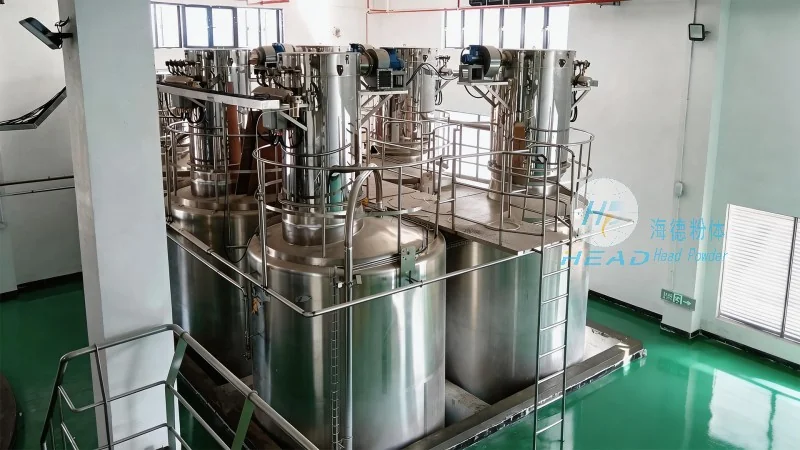
Caustic soda material handling systems are engineered to safely transport and manage caustic soda from storage to processing units. These systems typically consist of several integrated components, including storage tanks, pumps, pipelines, valves, and control systems. The design of such systems adheres to stringent safety protocols to prevent leaks, spills, and exposure to personnel, as caustic soda is a highly corrosive substance that can cause severe chemical burns and environmental damage if mishandled.
Key Components of the Material Handling System
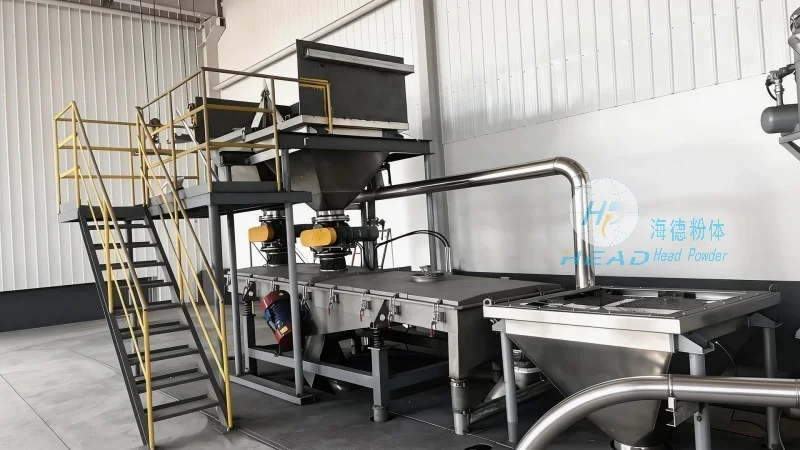
The caustic soda material handling system comprises several critical components that work in tandem to ensure smooth operation. The primary components include:
- Storage Tanks: Large, corrosion-resistant tanks are used to store caustic soda in liquid form. These tanks are often made of materials like stainless steel or lined with protective coatings to withstand the chemical's corrosive nature.
- Pumps: Specialized pumps, such as centrifugal or positive displacement pumps, are employed to transfer caustic soda from storage tanks to processing equipment. These pumps are designed to handle high-pressure and high-temperature conditions while maintaining chemical compatibility.
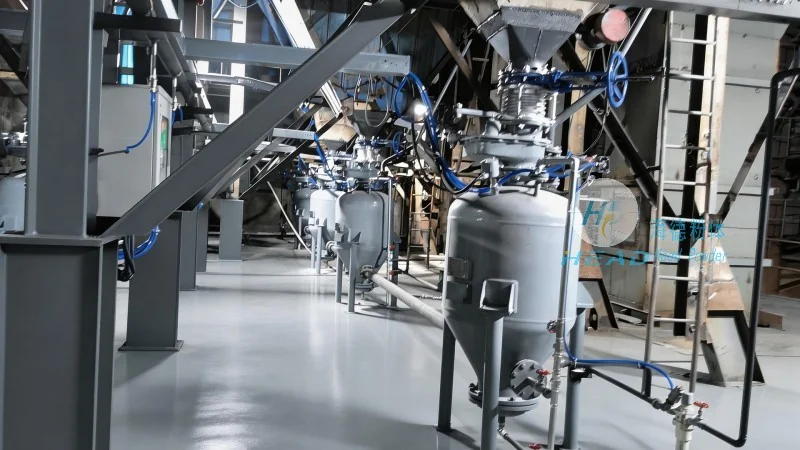
- Pipelines and Valves: High-quality pipelines, usually made of PVC, PTFE, or stainless steel, are used to transport caustic soda. Valves, including ball valves and gate valves, are strategically placed to control the flow, direction, and pressure of the liquid, ensuring precise regulation during operation.
- Control Systems: Advanced control systems, often integrated with sensors and monitoring devices, are used to regulate the flow rate, pressure, and temperature of caustic soda. These systems provide real-time data and alerts, enabling operators to maintain optimal conditions and prevent accidents.
Operation Process of the System
The operation process of the caustic soda material handling system involves several sequential steps, each designed to ensure safe and efficient material transfer. The process typically begins with the preparation of the storage tanks, where caustic soda is stored under appropriate conditions to prevent degradation. Once the system is ready, the following steps are executed:
- Initialization and Preparation: The control system is activated, and the storage tanks are checked for proper levels and temperature. The pumps and pipelines are primed to ensure smooth flow, and all valves are set to the correct positions.
- Pumping and Transfer: The pump is started, and caustic soda is transferred from the storage tank to the processing unit. The flow rate is monitored and adjusted as needed to meet the requirements of the downstream process.
- Regulation and Control: The control system continuously monitors parameters such as pressure, temperature, and flow rate. If any parameter deviates from the set points, the system automatically adjusts the pump speed or valve position to maintain stability.
- Shutdown and Maintenance: When the transfer is complete, the pump is shut down, and the system is prepared for maintenance or the next batch of caustic soda. Regular maintenance, including cleaning and inspection of components, is essential to ensure long-term reliability.
Working Principle of the System
The working principle of the caustic soda material handling system is based on the principles of fluid dynamics and chemical engineering. The system operates by creating a pressure differential between the storage tank and the processing unit, which drives the flow of caustic soda through the pipelines. The pumps provide the necessary pressure to overcome friction losses in the system and deliver the liquid to the desired location. The control system uses feedback from sensors to adjust the system parameters in real time, ensuring that the flow rate, pressure, and temperature remain within safe and optimal ranges.
Applications and Benefits
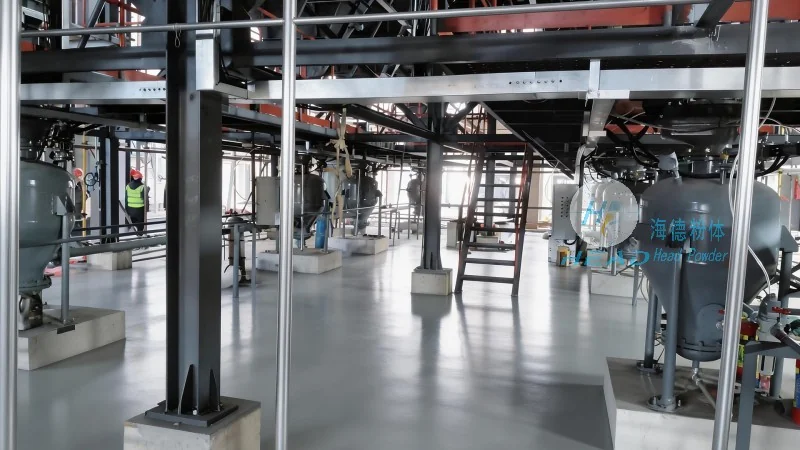
Caustic soda material handling systems are widely used in various industries due to their ability to handle caustic soda safely and efficiently. The primary applications include chemical manufacturing, where caustic soda is used as a raw material for producing other chemicals; paper production, where it is used in the pulping and bleaching processes; and water treatment, where it is used to neutralize acidic water and adjust pH levels. The benefits of using such systems include improved safety, increased productivity, reduced downtime, and compliance with environmental regulations.