

Operation Process and Working Principle of Trilithium Material Handling System Equipment
Trilithium material handling system equipment, as a key component in the production and processing of lithium iron phosphate batteries, plays a crucial role in ensuring the smooth flow of raw materials and finished products. The operation process and working principle of such equipment are designed to meet the high precision and efficiency requirements of modern battery manufacturing. This article will provide a detailed overview of how these systems function, focusing on the technical aspects and operational steps involved.
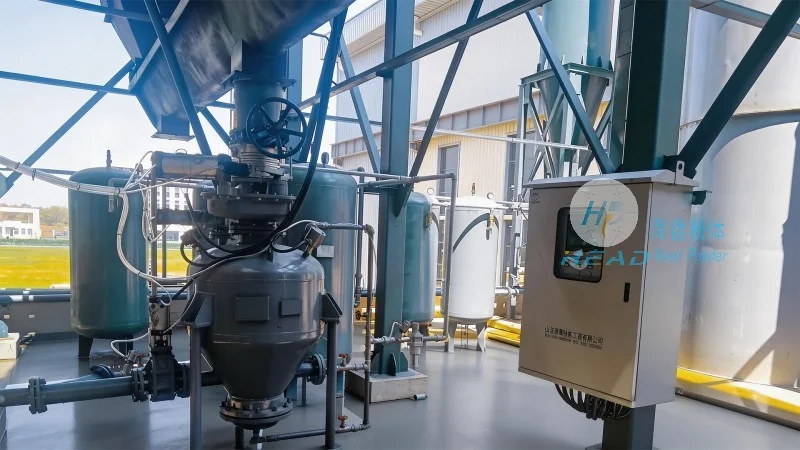
Company Profile: Shandong HeadPowder Engineering Co., Ltd.
Shandong HeadPowder Engineering Co., Ltd. is a professional manufacturer specializing in the research, development, and production of material handling equipment for the lithium battery industry. With a focus on innovation and quality, the company has established itself as a leading supplier in the field. HeadPowder's expertise lies in designing systems that are tailored to the specific needs of trilithium material processing, ensuring optimal performance and reliability. The company's facilities are located in Shandong, China, where it leverages advanced technology and skilled workforce to deliver high-quality products to clients worldwide.
Key Components and Structure of Trilithium Material Handling Systems
The trilithium material handling system typically consists of several core components, including conveyors, elevators, storage bins, and control systems. These components are integrated to form a seamless material flow process. Conveyors are used to transport materials horizontally or at an incline, while elevators facilitate vertical movement. Storage bins are employed for material buffering and inventory management. The control system, often equipped with advanced sensors and automation technology, monitors and regulates the operation of all components to ensure precise and efficient material handling.
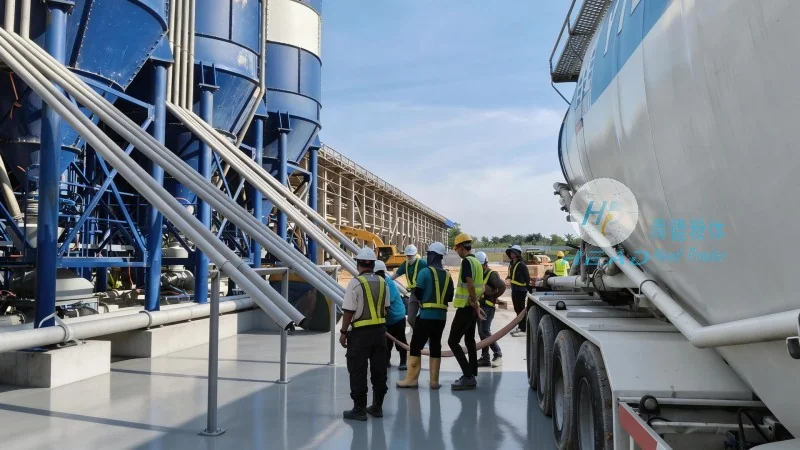
Operation Process of Trilithium Material Handling Equipment
The operation process of trilithium material handling equipment begins with the raw material input. Materials such as lithium carbonate, nickel oxide, manganese dioxide, and cobalt oxide are fed into the system through hoppers or feeders. The first stage involves the primary conveying of materials to the mixing or grinding units. This is followed by the secondary conveying to the storage or processing areas. Each stage is carefully controlled to maintain the material's quality and prevent contamination. The system then proceeds to the packaging or dispatch phase, where finished products are prepared for shipment. Throughout the entire process, the equipment operates under strict quality control measures to ensure that the final products meet industry standards.
Working Principle of Trilithium Material Handling Systems
The working principle of trilithium material handling systems is based on mechanical and electrical integration. The mechanical part includes various types of conveyors, such as belt conveyors, screw conveyors, and chain conveyors, which are selected based on the material's characteristics and processing requirements. The electrical part involves the control system, which uses sensors to detect the material level, position, and flow rate. The control system then sends signals to the motors and actuators to adjust the operation of the equipment. This closed-loop control ensures that the system operates efficiently and safely. Additionally, the system may incorporate features like dust collection and environmental protection to comply with industrial regulations.
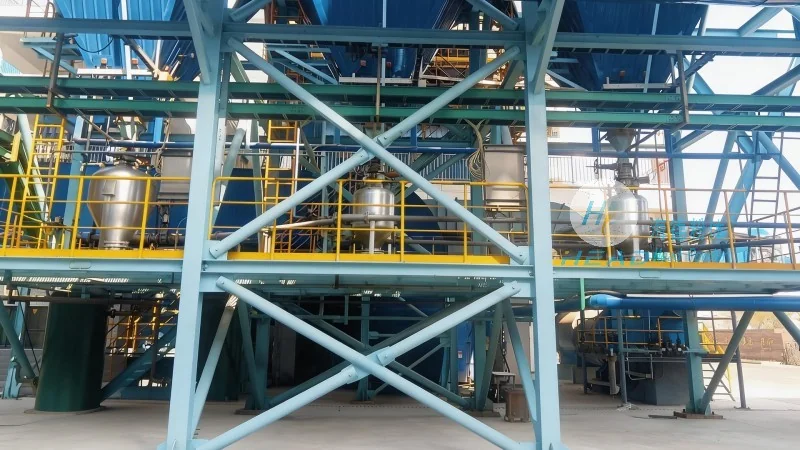
Advantages and Applications of Trilithium Material Handling Systems
Trilithium material handling systems offer several advantages, including high efficiency, low energy consumption, and high precision. These systems are designed to handle the specific challenges of trilithium material processing, such as material variability and the need for strict quality control. The equipment is widely used in the production lines of lithium iron phosphate batteries, where it plays a critical role in ensuring the consistent quality of the final products. The systems are also adaptable to different production scales, from small-scale pilot plants to large-scale industrial production lines.
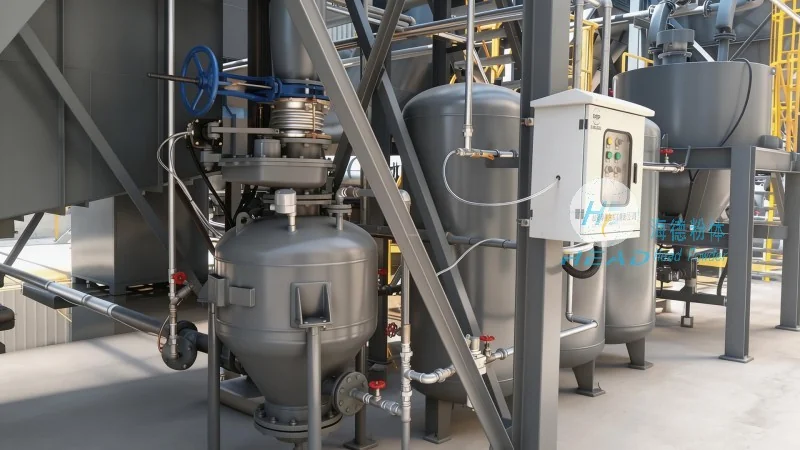
Quality Assurance and Maintenance of Trilithium Material Handling Equipment
Quality assurance is a top priority for trilithium material handling equipment. HeadPowder employs rigorous quality control measures throughout the manufacturing process, from material selection to final assembly. The company adheres to international standards and conducts regular inspections to ensure that the equipment meets the required specifications. Maintenance of the equipment is also crucial to maintain its performance and longevity. Regular maintenance, including cleaning, lubrication, and component replacement, is recommended to prevent breakdowns and ensure continuous operation. HeadPowder provides comprehensive maintenance services to its clients, including on-site support and technical guidance.
Conclusion
In conclusion, the operation process and working principle of trilithium material handling system equipment are complex but essential for the efficient production of lithium iron phosphate batteries. The systems, manufactured by Shandong HeadPowder Engineering Co., Ltd., combine advanced technology with rigorous quality control to deliver reliable and high-performance equipment. By understanding the operation and working principles of these systems, manufacturers can optimize their production processes and improve overall efficiency. As the demand for lithium batteries continues to grow, the importance of reliable material handling systems will only increase, making them a critical component in the battery industry.