

Operation Process and Working Principle of Glass Particle Material Conveying System Equipment
HeadPowder, a leading manufacturer based in Shandong, China, specializes in the design and production of advanced glass particle material conveying systems. These systems are engineered to efficiently handle the transportation of glass particles, ensuring smooth and reliable operation in various industrial applications. The following sections detail the operational process and underlying working principles of such equipment, highlighting key components and their functions.
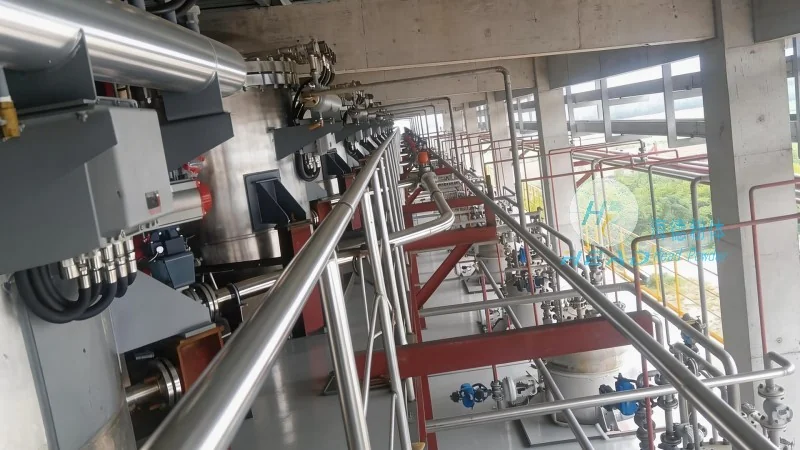
Overview of the Conveying System
The glass particle material conveying system typically consists of several interconnected components, including feeders, conveyors, control units, and safety mechanisms. Each part plays a crucial role in the overall process of transporting glass particles from the source to the destination. The system is designed to handle different types of glass particles, such as crushed glass, cullet, or fine glass powders, with varying sizes and densities. This adaptability makes the system suitable for a wide range of industrial settings, including glass manufacturing plants, recycling facilities, and material processing centers.
Key Components and Their Functions
1. Feeder: The feeder is the initial component that receives the glass particles from the source, such as a hopper or storage bin. It ensures a consistent and controlled flow of material into the conveyor system. This component often includes mechanisms like screw feeders, vibratory feeders, or belt feeders, which regulate the rate of material discharge based on the system's operational requirements. The feeder's design is critical for preventing material buildup and ensuring uniform feeding, which directly impacts the efficiency and stability of the entire conveying process.
2. Conveyor: The conveyor is the core part of the system responsible for transporting the glass particles horizontally or vertically. Common types of conveyors used in glass particle handling include belt conveyors, screw conveyors, and pneumatic conveyors. Belt conveyors are widely used for horizontal or slightly inclined transport due to their simplicity and ability to handle large volumes of material. Screw conveyors are ideal for vertical or inclined transport, as they can lift and move particles through a rotating screw mechanism. Pneumatic conveyors, on the other hand, use air pressure to transport particles in a closed system, which is particularly useful for handling fine glass powders or when dust control is a priority.
3. Drive and Control Unit: The drive unit provides the necessary power to operate the conveyor, ensuring it moves at a consistent speed. This unit may include electric motors, gearboxes, and variable frequency drives (VFDs), which allow for speed adjustments to match the material flow rate. The control unit manages the entire system, monitoring parameters like speed, pressure, and material level. It can be equipped with sensors and automation software to detect anomalies and adjust operations in real-time, enhancing safety and efficiency. For example, if the conveyor detects a blockage or a drop in material level, the control unit can automatically stop the feeder or adjust the conveyor speed to prevent damage or downtime.
4. Safety and Protection Devices: Safety is a paramount consideration in industrial conveying systems, especially when handling glass particles. The system includes various safety features such as emergency stop buttons, overload protection, and dust suppression systems. Emergency stop buttons allow operators to quickly halt the system in case of an emergency. Overload protection mechanisms prevent the conveyor from being damaged by excessive material load. Dust suppression systems, such as air filters or water sprayers, help control airborne glass particles, reducing the risk of inhalation and maintaining a safe working environment. These safety features are integrated into the design to comply with industrial safety standards and protect both equipment and personnel.
Operation Process of the Conveying System
The operation of the glass particle material conveying system follows a sequential process, starting from the initial feeding stage to the final discharge. The process can be broken down into the following steps:
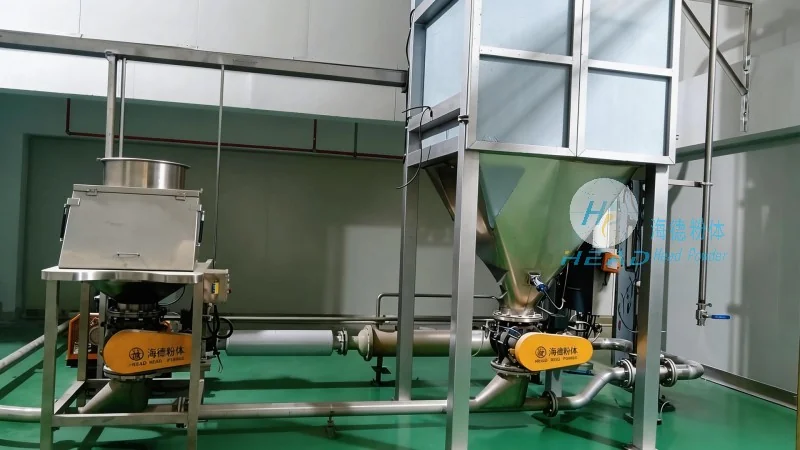
1. Material Loading: Glass particles are loaded into the hopper or storage bin from which the feeder draws the material. The hopper is designed to hold a sufficient quantity of material to ensure continuous operation without frequent refilling. The material is then fed into the conveyor system at a controlled rate by the feeder.
2. Conveyor Transport: Once the feeder releases the glass particles, they are transported along the conveyor path. The conveyor moves the particles from the inlet to the outlet, covering the required distance based on the system's configuration. The speed of the conveyor is adjusted by the control unit to maintain a steady flow rate, preventing material accumulation at any point.
3. Discharge and Divergence: At the end of the conveyor, the glass particles are discharged into a receiving container or another processing unit. The discharge point may include diverging mechanisms, such as chutes or gates, which direct the material to the appropriate destination. The system ensures that the discharge is smooth and controlled, avoiding spillage or blockages.
4. Monitoring and Control: Throughout the operation, the control unit continuously monitors key parameters, such as speed, pressure, and material level. Sensors provide real-time data to the control system, allowing for immediate adjustments if any deviations occur. For instance, if the material level in the hopper drops below a certain threshold, the control unit can signal the feeder to increase the feed rate. Similarly, if the conveyor speed is too high, the control unit can reduce it to maintain optimal material flow.
Working Principle of the Conveying System
The working principle of the glass particle material conveying system is based on the transfer of energy from the drive unit to the conveyor components, enabling the movement of glass particles. The system operates by converting electrical energy into mechanical energy, which is then used to move the particles through the system. The specific working principles vary depending on the type of conveyor used, but all systems share a common goal: to efficiently and safely transport the material.
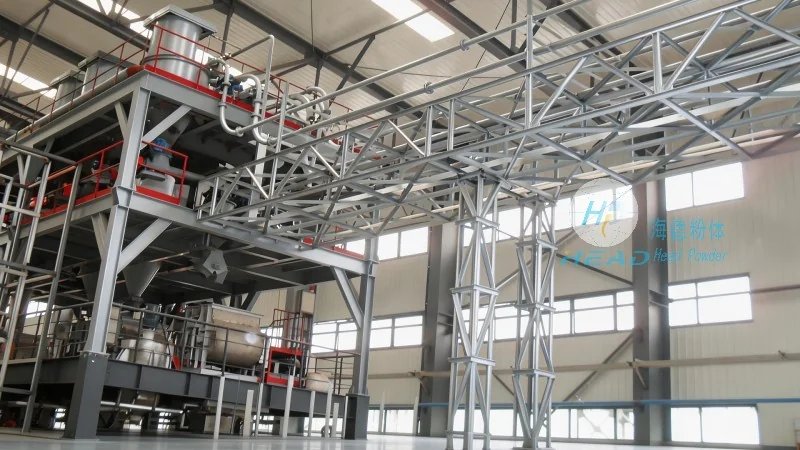
For belt conveyors, the working principle involves a rotating motor-driven pulley that pulls a belt, which carries the glass particles. The belt moves over rollers or idlers, which support and guide the belt. The speed of the belt is determined by the motor's RPM and the gear ratio. The control unit adjusts the motor speed to control the belt speed, ensuring the material is transported at the desired rate. The friction between the belt and the particles provides the necessary force to move the material along the conveyor.
Screw conveyors operate on a similar principle but use a rotating screw (auger) to push the glass particles forward. The screw is enclosed in a tube, and as it rotates, it lifts and moves the particles. The pitch and diameter of the screw determine the conveying capacity and the angle of inclination. The motor drives the screw, and the control unit regulates the speed. The working principle relies on the screw's helical design, which creates a continuous flow of material as it rotates.
Pneumatic conveyors utilize compressed air to transport glass particles. The system consists of a blower that generates high-pressure air, which is directed into a pipeline. The glass particles are introduced into the pipeline, and the air flow carries them to the discharge point. The pressure and flow rate of the air are controlled by the system's control unit. The working principle is based on the principle of fluid dynamics, where the air flow creates a pressure differential that moves the particles. This method is particularly effective for handling fine glass powders, as it can transport them without the need for mechanical contact.
Advantages of Glass Particle Conveying Systems
HeadPowder's glass particle material conveying systems offer several advantages that make them ideal for industrial applications. These advantages include high efficiency, low maintenance, and adaptability to different material types. The systems are designed to handle large volumes of glass particles with minimal downtime, ensuring smooth production processes. The use of advanced control systems enhances operational safety and reduces the risk of accidents. Additionally, the systems are built with durable materials, such as stainless steel or corrosion-resistant alloys, to withstand the harsh conditions of glass particle handling.
Another key advantage is the ability to customize the system to meet specific customer requirements. HeadPowder works closely with clients to understand their operational needs and design a system that optimizes material flow and reduces costs. The company's expertise in material handling technology allows for the development of tailored solutions that address unique challenges, such as handling abrasive glass particles or managing dust emissions.
Applications and Industries
Glass particle material conveying systems are widely used in various industries, including glass manufacturing, recycling, and material processing. In glass manufacturing plants, these systems are used to transport cullet (recycled glass) from storage to the melting furnace. The efficient conveyance of cullet ensures a consistent supply of raw material, which is critical for maintaining production rates. In recycling facilities, the systems handle crushed glass and other waste materials, transporting them to processing units for further treatment. This helps in reducing waste and promoting sustainable practices.