

The Operation Process and Working Principle of Aluminum Dross Powder Pneumatic Conveying
Aluminum dross powder pneumatic conveying is a critical technology in the aluminum industry, enabling efficient and safe transportation of aluminum dross—a byproduct of aluminum smelting processes. This method involves using a gas stream, typically air or a mixture of air and other gases, to transport fine aluminum dross particles through a pipeline system. The process is essential for maintaining operational efficiency and ensuring environmental compliance in aluminum production facilities.
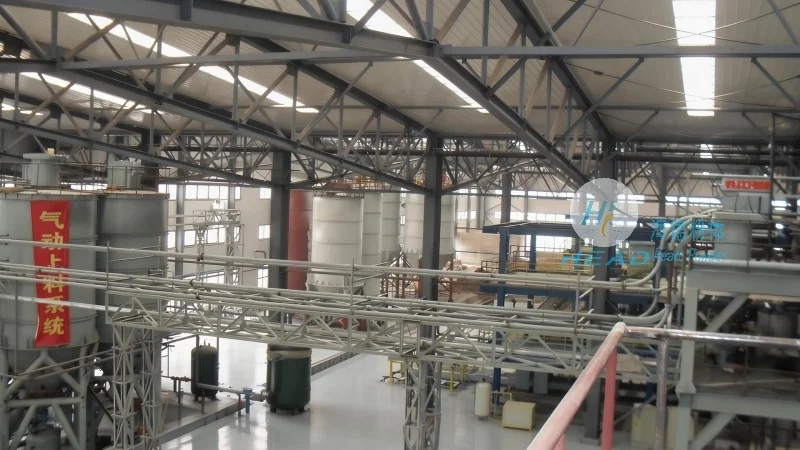
Company Overview: Shandong HeadPowder Engineering Co., Ltd.
HeadPowder, a leading provider in the field of powder handling and material transportation solutions, specializes in developing and implementing advanced pneumatic conveying systems tailored to the unique challenges of aluminum dross management. With a strong focus on innovation and customer-centric solutions, the company has established itself as a trusted partner for aluminum manufacturers seeking reliable and efficient dross handling technologies. HeadPowder's expertise lies in understanding the specific properties of aluminum dross, such as its particle size distribution, moisture content, and abrasive nature, and designing systems that optimize performance while minimizing operational risks.
Working Principle of Pneumatic Conveying for Aluminum Dross
The core of aluminum dross powder pneumatic conveying is the use of a pressurized or vacuum system to move material through a pipeline. In a typical pressurized system, a blower or compressor generates a high-pressure air stream that propels the aluminum dross particles forward. The system consists of several key components: a hopper to store the dross, a feeder to control the flow rate, a pipeline network to transport the material, and a receiver to collect the dross at the destination. The air velocity within the pipeline is maintained above the minimum fluidization velocity of the dross particles to prevent settling and ensure smooth transport. This principle ensures that even fine aluminum dross particles, which are prone to caking and agglomeration, can be effectively conveyed without blockages or loss of material.
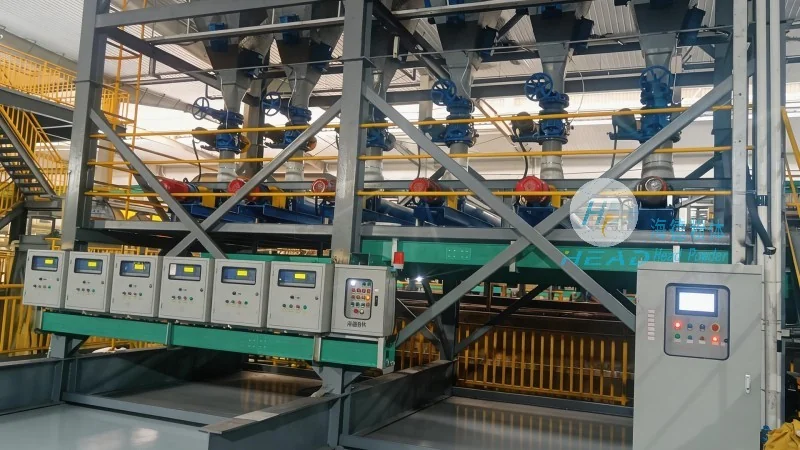
Operation Process of Aluminum Dross Pneumatic Conveying
The operation process of aluminum dross powder pneumatic conveying involves several sequential steps that ensure efficient and continuous material transport. First, the aluminum dross is collected from the smelting furnace and transferred into the storage hopper. The hopper is equipped with a level indicator to monitor the material volume, and a discharge valve to control the flow into the feeder. The feeder, often a rotary valve or a screw feeder, regulates the feed rate of the dross into the pipeline, ensuring a consistent and controlled flow. The pressurized air from the blower is then introduced into the pipeline, creating a high-velocity air stream that carries the dross particles. As the dross travels through the pipeline, it is kept in suspension by the air flow, preventing deposition and maintaining a smooth flow. At the receiving end, a receiver or silo collects the dross, and a venting system removes any excess air. The entire process is monitored by a control system that adjusts the air pressure, feed rate, and other parameters to optimize performance and prevent issues such as blockages or excessive energy consumption.
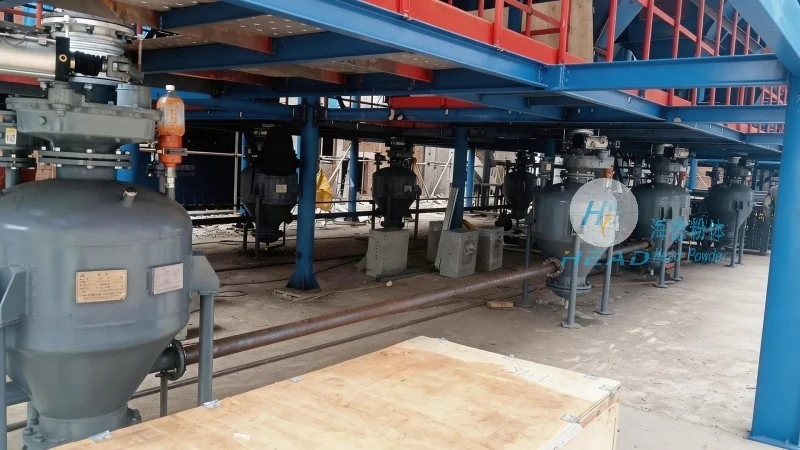
Key Components and Their Functions in Pneumatic Conveying Systems
Several critical components work together to ensure the smooth operation of aluminum dross pneumatic conveying systems. The storage hopper is designed to accommodate large volumes of dross and prevent caking, with a sloped bottom to facilitate material discharge. The feeder is a crucial component that controls the flow rate of the dross into the pipeline, ensuring that the air velocity remains above the minimum fluidization velocity. The pipeline network is typically made of corrosion-resistant materials, such as stainless steel or polyethylene, to withstand the abrasive nature of aluminum dross and prevent material buildup. The blower or compressor provides the necessary air pressure, with adjustable speed controls to regulate the air flow. The receiver at the end of the pipeline collects the dross and may include a filtration system to remove any fine particles from the air stream. Each component is carefully selected and sized based on the specific characteristics of the aluminum dross, such as particle size, moisture content, and flowability, to ensure optimal performance and longevity of the system.
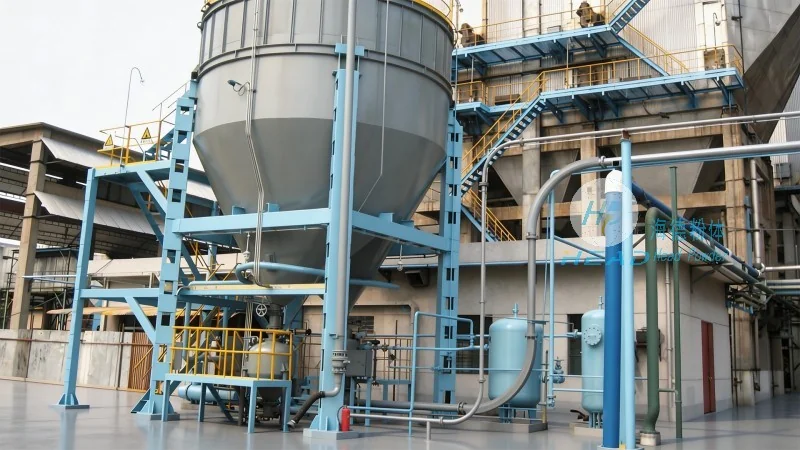
Advantages of Pneumatic Conveying for Aluminum Dross Handling
Pneumatic conveying offers several advantages over traditional methods like bucket elevators or belt conveyors for aluminum dross handling. One of the primary benefits is the ability to transport fine aluminum dross particles without the need for mechanical contact, which reduces wear and tear on equipment and minimizes the risk of material degradation. The system is also highly flexible, allowing for multiple destinations and complex pipeline layouts without the need for extensive modifications. Additionally, pneumatic conveying systems can be integrated with other processes, such as dross treatment or recycling, to create a seamless material flow. The process is also relatively low maintenance, with fewer moving parts compared to mechanical conveyors, resulting in lower operational costs and reduced downtime. Furthermore, the system can be designed to meet environmental regulations by incorporating filtration and dust control measures, ensuring that the air discharged from the receiver is clean and compliant with local standards.
Applications and Industries Served by HeadPowder
HeadPowder's aluminum dross pneumatic conveying systems are widely used in various industries, primarily in the aluminum manufacturing sector. The technology is applied in aluminum smelting plants, where dross is generated as a byproduct of the melting process. The systems are also used in secondary aluminum processing facilities, where dross is collected and processed for recycling. Additionally, the technology is utilized in other industries that handle fine powders, such as the chemical and pharmaceutical sectors, where similar material handling challenges exist. HeadPowder's solutions are tailored to meet the specific needs of each client, ensuring that the systems are optimized for their unique operational requirements and material characteristics. The company works closely with clients to understand their production processes and design systems that enhance efficiency, reduce costs, and improve overall operational performance.