

Operation Process and Working Principle of Bin Pump Powder Pneumatic Conveying
Bin pump technology is a critical component in the field of bulk material handling, particularly for the efficient and reliable transport of powders and granular materials. This method, often referred to as pneumatic conveying, utilizes a bin pump system to move materials from a storage silo or hopper to a processing or discharge point. The operation of a bin pump involves several key steps and principles that ensure smooth and effective material transfer. Understanding these processes is essential for optimizing industrial applications and maintaining operational efficiency.
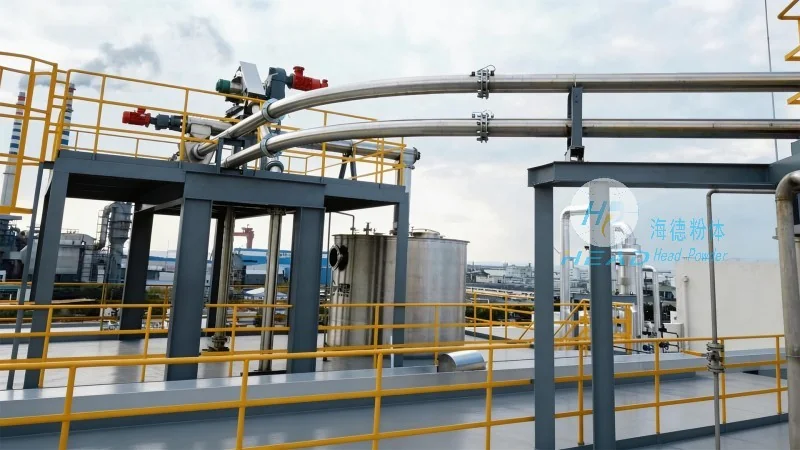
Working Principle of the Bin Pump System
The core of a bin pump system lies in its ability to create a pressure differential that drives the material flow. Typically, the system consists of a hopper, a pump chamber, a compressor, and a discharge line. The process begins with the material being fed into the hopper from a storage silo. As the material accumulates, it fills the pump chamber. The compressor then generates compressed air, which is introduced into the pump chamber, creating a pressure that forces the material to move through the discharge line. The air acts as a carrier, suspending the particles and propelling them forward. This pneumatic action ensures that even cohesive or fine powders can be conveyed over long distances with minimal degradation or loss.
Key Components and Their Functions
Several key components work in tandem to ensure the proper functioning of a bin pump system. The hopper serves as the storage and feeding unit, where the material is initially held before being transferred. The pump chamber is where the material is compressed and accelerated by the air. The compressor provides the necessary pressure and airflow to drive the material. The discharge line, often equipped with valves and filters, directs the material to its final destination. Each component plays a vital role in maintaining the system's efficiency and preventing material blockages or system failures.
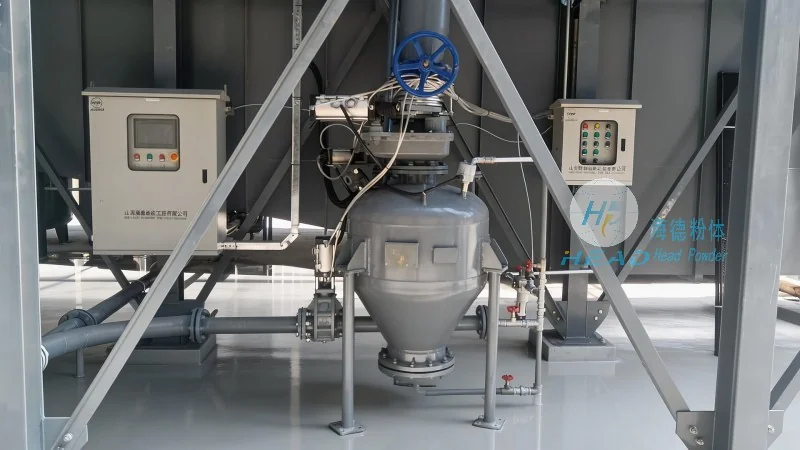
Operation Process Step-by-Step
The operation of a bin pump can be broken down into distinct phases. First, the material is fed into the hopper from the storage silo. As the hopper fills, the material level is monitored to ensure proper feeding. Next, the compressor is activated, generating compressed air that enters the pump chamber. The air pressure pushes the material from the hopper into the pump chamber, creating a pressure differential. This pressure differential forces the material through the discharge line, where it is then released at the destination. The system continuously cycles, with the compressor operating intermittently to maintain the pressure and material flow. This cycle ensures a steady and consistent transfer of material, minimizing downtime and maximizing productivity.
Advantages of Bin Pump Powder Pneumatic Conveying
Bin pump systems offer several advantages over traditional material handling methods. One of the primary benefits is the ability to transport materials over long distances without the need for complex infrastructure, such as conveyor belts or elevators. The pneumatic system allows for flexible routing, enabling materials to be moved around obstacles or to different processing units. Additionally, the system is highly efficient in terms of energy consumption, as it uses compressed air to move the material rather than mechanical force. This reduces wear and tear on equipment and lowers maintenance costs. The system also provides a hygienic and dust-free environment, which is crucial for industries dealing with food, pharmaceuticals, or other sensitive materials. Furthermore, bin pumps can handle a wide range of materials, from fine powders to coarse granules, making them versatile for various industrial applications.
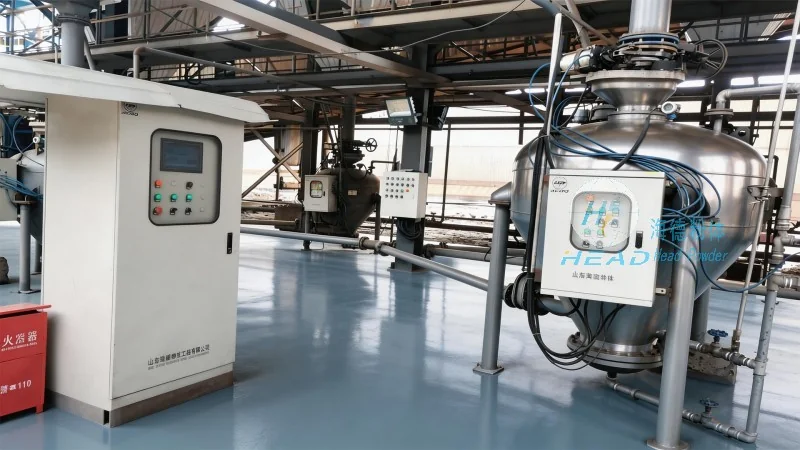
Applications in Industrial Settings
Bin pump technology is widely used in various industrial sectors, including chemical, food, pharmaceutical, and mining industries. In the chemical industry, it is used to transport raw materials and finished products, ensuring a continuous supply to processing units. In the food industry, bin pumps are employed to handle powders like flour, sugar, and spices, maintaining product quality and preventing contamination. The pharmaceutical industry relies on bin pumps for the safe and sterile transfer of active ingredients and excipients, adhering to strict regulatory standards. In mining operations, bin pumps are used to transport ore and other bulk materials from storage silos to processing plants, improving operational efficiency and reducing labor costs. The versatility and reliability of bin pump systems make them an essential tool in modern industrial material handling.
Maintenance and Operational Considerations
Proper maintenance is crucial to ensure the longevity and efficiency of a bin pump system. Regular checks of the compressor, air filters, and pump chamber are necessary to prevent issues such as air leaks or material blockages. The hopper and discharge line should be cleaned periodically to remove accumulated material and prevent clogging. Additionally, monitoring the pressure and airflow in the system helps identify potential problems early, allowing for timely repairs. Operational considerations also include ensuring the correct material feed rate and maintaining the proper air pressure to avoid system overload or inefficient material transfer. By adhering to these maintenance and operational guidelines, industrial facilities can maximize the performance of their bin pump systems and minimize downtime.