

Operation Process and Working Principle of Dry Sludge Powder Pneumatic Conveying
HeadPowder Engineering Co., Ltd., a leading enterprise based in Shandong, China, specializes in the design, manufacturing, and implementation of advanced pneumatic conveying systems tailored for handling dry sludge powders. The company's expertise lies in optimizing material transport efficiency while ensuring environmental compliance and operational reliability.
Company Overview and Core Competence
HeadPowder Engineering Co., Ltd. is dedicated to providing innovative solutions for the pneumatic transport of dry sludge powders. With a strong presence in Shandong, China, the company leverages its deep understanding of material properties and air dynamics to develop customized systems that meet the specific needs of industrial clients. The company's commitment to quality and technological advancement has established it as a trusted partner in the field of bulk material handling.
Working Principle of Pneumatic Conveying Systems for Dry Sludge Powder
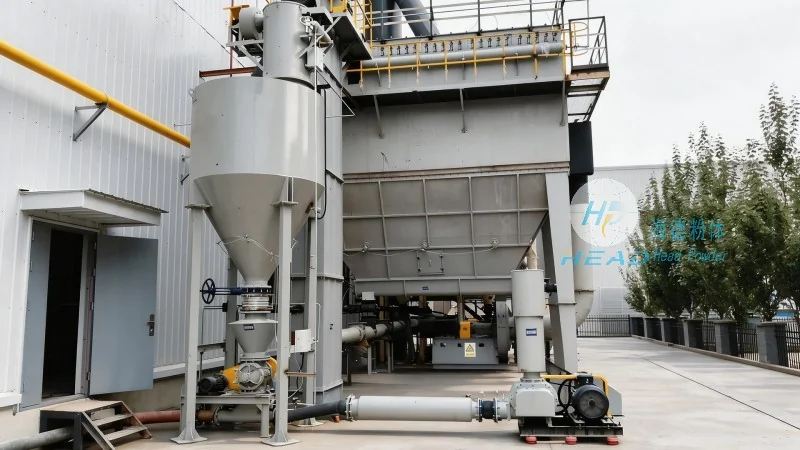
The core of a pneumatic conveying system for dry sludge powder involves the use of compressed air to transport dry, fine materials through a pipeline. This method, known as pneumatic conveying, relies on the principle of air flow to move the material from the source to the destination. The system typically consists of several key components, including a feeding device, a conveying pipeline, a separation unit, and a collection hopper. The feeding device ensures a consistent and controlled introduction of the dry sludge powder into the system, preventing blockages and maintaining flow stability. Compressed air is then introduced into the pipeline, creating a high-velocity air stream that entrains the powder particles and propels them through the system. The separation unit, often a cyclone or a bag filter, separates the air from the powder, allowing the dry sludge to be collected in the hopper while the air is either recirculated or discharged.
Operation Process of Dry Sludge Powder Pneumatic Conveying
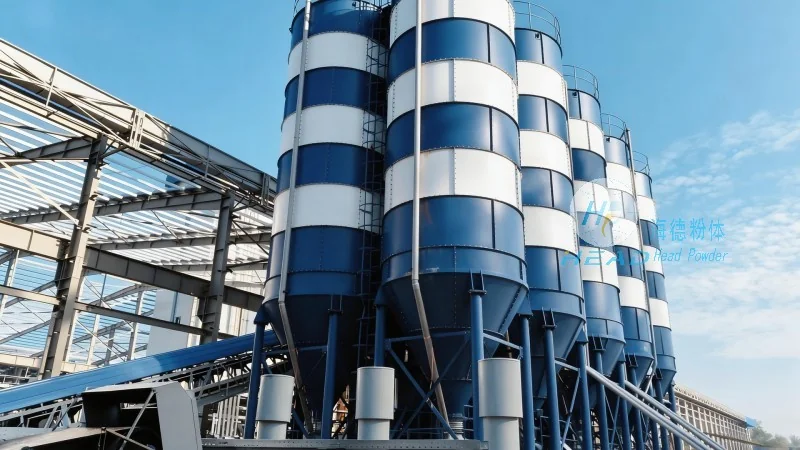
The operation process of a dry sludge powder pneumatic conveying system begins with the preparation of the dry sludge powder, which is typically dewatered and processed to achieve the desired particle size and moisture content. The material is then fed into the system via the feeding device, which may be a rotary valve or a screw feeder, ensuring a uniform flow rate. As the compressed air is activated, it creates a vacuum or pressure differential that draws the powder into the conveying pipeline. The air stream, carrying the powder particles, travels through the pipeline to the destination point, where the separation unit operates to separate the air and powder. The separated powder is collected in the hopper, ready for further processing or disposal, while the air is either filtered to remove any residual dust or recirculated back into the system to enhance efficiency.
Key Advantages and Applications of Pneumatic Conveying for Dry Sludge Powder
Pneumatic conveying systems for dry sludge powder offer several advantages over traditional methods such as belt conveyors or bucket elevators. These include reduced risk of cross-contamination, as the material is enclosed within the pipeline, minimizing exposure to the environment and personnel. Additionally, the system provides better control over the material flow, allowing for precise regulation of the conveying rate and pressure. The compact design of the system also saves space, making it suitable for installations in confined areas. HeadPowder Engineering Co., Ltd. has successfully implemented these systems in various industrial applications, including wastewater treatment plants, where the efficient transport of dewatered sludge is critical for maintaining operational efficiency and compliance with environmental regulations.
Technical Considerations and System Optimization
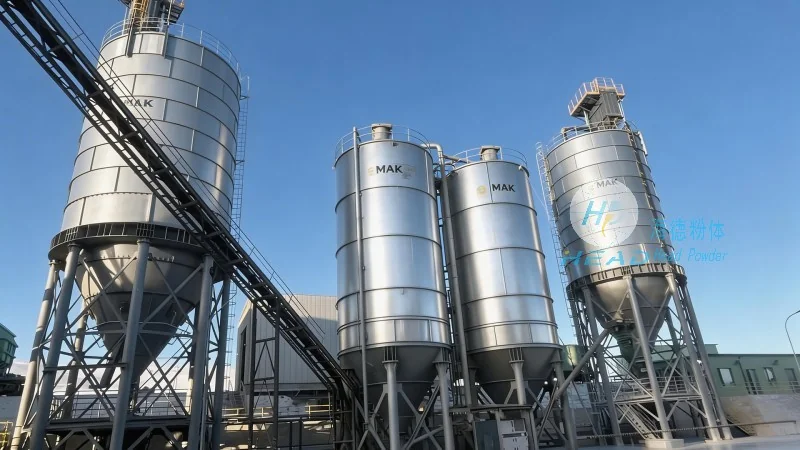
When designing a pneumatic conveying system for dry sludge powder, several technical considerations are crucial to ensure optimal performance. The particle size distribution of the dry sludge is a key factor, as finer particles may require higher air velocities to prevent settling or blockages. The moisture content of the material also affects the system's efficiency, as higher moisture can lead to increased friction and reduced conveying capacity. HeadPowder Engineering Co., Ltd. employs advanced computational fluid dynamics (CFD) simulations and material testing to determine the optimal air flow rates, pipeline dimensions, and separation efficiency. The company also considers factors such as the distance of transport, the number of turns in the pipeline, and the required conveying capacity to design a system that meets the specific requirements of each client. Regular maintenance and monitoring of the system components, including the feeding device, pipeline, and separation unit, are essential to ensure long-term reliability and performance.
Conclusion and Service Commitment
HeadPowder Engineering Co., Ltd. continues to be at the forefront of developing and implementing advanced pneumatic conveying solutions for dry sludge powder. By combining technical expertise with a customer-centric approach, the company ensures that its systems not only meet but exceed the operational and environmental standards of its clients. With a strong presence in Shandong, China, and a commitment to innovation, HeadPowder Engineering Co., Ltd. remains dedicated to providing reliable and efficient solutions for the bulk material handling needs of the industrial sector.