

Operation Process and Working Principle of Air-Pneumatic Conveying for Purified Powder Particulates
For industrial applications requiring the efficient and clean transport of fine powders, air-pneumatic conveying systems represent a critical solution. This technology is particularly valuable in sectors such as cement, chemical, and food processing, where maintaining product purity and minimizing contamination is paramount. The following discussion delves into the operation process and working principle of such systems, highlighting their design, functionality, and the key factors that contribute to their effectiveness.
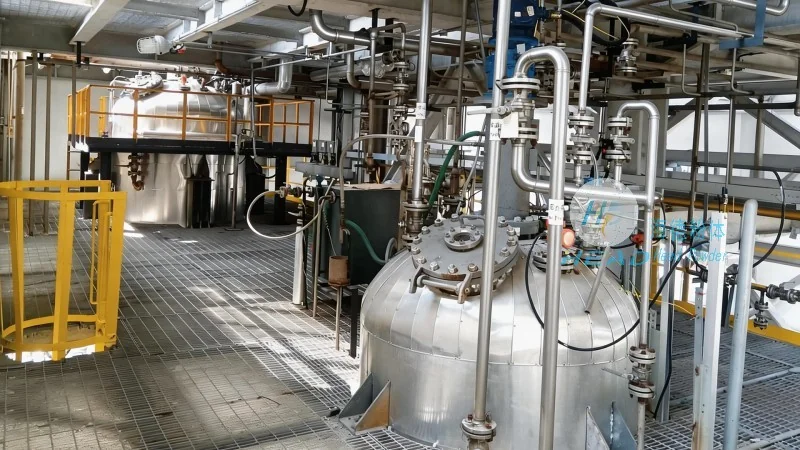
Introduction to Air-Pneumatic Conveying Systems
At the core of air-pneumatic conveying is the use of pressurized or vacuum air to move particulate materials through a pipeline. This method offers several advantages over traditional mechanical conveying, including reduced equipment wear, lower maintenance costs, and the ability to handle materials that are sensitive to friction or temperature changes. The system typically consists of a hopper for material storage, a conveying line, a control unit, and a discharge point. The choice between positive pressure (blower-driven) and negative pressure (vacuum-driven) systems depends on the specific application and material characteristics.
Key Components and Their Functions
The effectiveness of an air-pneumatic conveying system is determined by its integrated components, each playing a vital role in the overall operation. The hopper serves as the initial storage and feeding unit, equipped with a feeder that controls the flow rate of the material into the conveying line. The feeder can be a rotary valve, a star feeder, or a screw feeder, depending on the material's flowability and the required precision. The conveying line itself is usually made of stainless steel or other corrosion-resistant materials to ensure durability and maintain product purity. The control unit, often integrated with sensors and a programmable logic controller (PLC), monitors pressure, flow rate, and other parameters to optimize the conveying process and prevent system failures. The discharge point, which may include a filter or a cyclone separator, is designed to collect the conveyed material while preventing dust emissions.
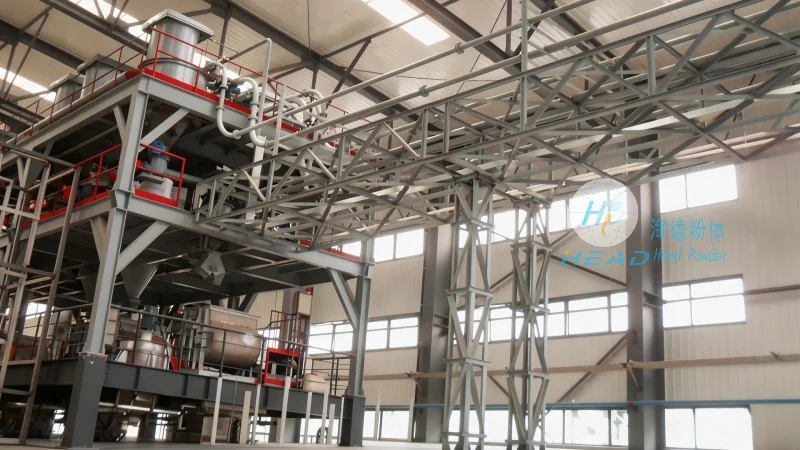
Operation Process: From Hopper to Discharge
The operation process of an air-pneumatic conveying system begins with the loading of the hopper with the purified powder particulates. The feeder then regulates the material flow, ensuring a consistent feed rate into the conveying line. Simultaneously, the air compressor or vacuum pump generates the necessary pressure or vacuum to move the material. As the material enters the conveying line, it is suspended by the air stream, which carries it through the pipeline to the discharge point. The air and material mixture then passes through a filter or separator, where the material is collected and the air is either recirculated or vented. This process is continuous and can be adjusted in real-time based on the system's performance metrics.
Working Principle: The Physics Behind the Process
The working principle of air-pneumatic conveying is rooted in fluid dynamics and particle mechanics. In positive pressure systems, a blower creates a high-pressure air stream that pushes the material through the pipeline. The air velocity must be sufficient to overcome the gravitational force acting on the particles and to maintain their suspension. The relationship between air velocity, particle size, and density determines the optimal conveying velocity to prevent particle deposition or blockage. In negative pressure systems, a vacuum pump creates a low-pressure environment that draws the material into the pipeline. The pressure differential between the inlet and outlet drives the material flow. The system's design, including the pipe diameter, length, and bends, is carefully calculated to minimize pressure losses and ensure smooth material transport.
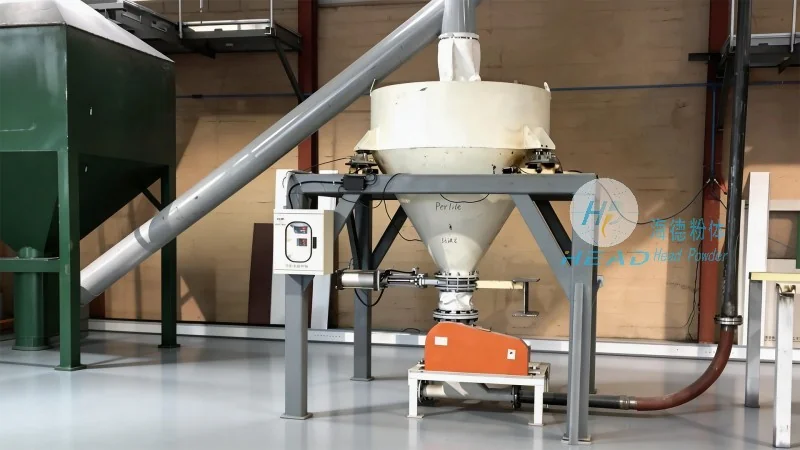
Applications and Benefits in Industrial Settings
Air-pneumatic conveying systems are widely used in various industrial applications due to their versatility and efficiency. In the cement industry, they are employed to transport raw materials and finished products, ensuring a clean and dust-free process. In the chemical industry, they handle a range of powders, from reactive chemicals to pharmaceuticals, maintaining product integrity and safety. The food processing industry benefits from these systems by transporting ingredients such as flour, sugar, and spices without contamination. The primary benefits include improved product quality, reduced labor costs, and enhanced safety by minimizing manual handling of powders. Additionally, the systems are energy-efficient and can be integrated with existing production lines, making them a cost-effective solution for material transport.
Maintenance and Optimization for Longevity
To ensure the longevity and optimal performance of air-pneumatic conveying systems, regular maintenance is essential. This includes cleaning the hopper and conveying line to prevent material buildup, inspecting the feeder and control unit for wear and tear, and checking the air compressor or vacuum pump for efficiency. Regular maintenance can prevent system failures, reduce downtime, and extend the lifespan of the equipment. Furthermore, system optimization, such as adjusting the air pressure or flow rate based on material characteristics, can improve conveying efficiency and reduce energy consumption. By adhering to proper maintenance protocols and monitoring system performance, operators can maximize the benefits of air-pneumatic conveying and ensure consistent material transport.