

Operation Process and Working Principle of Pneumatic Conveying of Molybdenum Oxide Powder
Molybdenum oxide powder, a critical material in various industrial applications, often requires efficient and reliable transport methods. Pneumatic conveying stands out as a sophisticated technique for handling such powders, offering advantages like reduced contamination, enhanced safety, and improved process control. This article delves into the operation process and working principle of pneumatic conveying for molybdenum oxide powder, highlighting the key components, operational steps, and the role of Shandong HeadPowder Engineering Co., Ltd. in optimizing these systems.
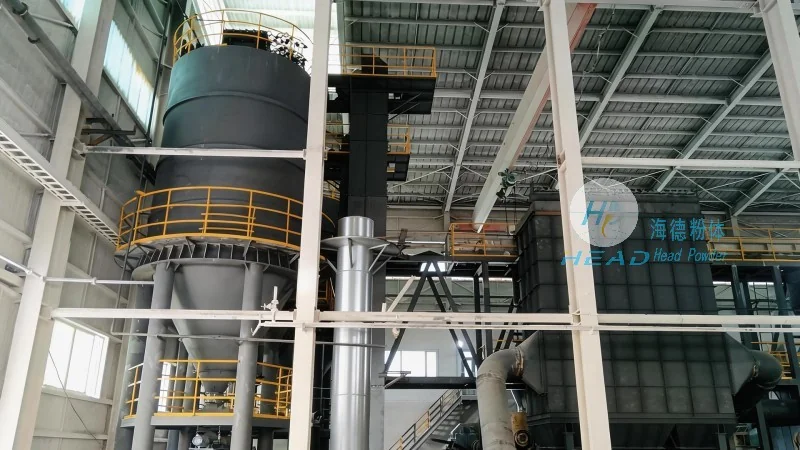
Key Components of the Pneumatic Conveying System
The pneumatic conveying system for molybdenum oxide powder typically consists of several essential components that work in tandem to ensure smooth material transport. These include the hopper or feed bin, which holds the powder; a feeder, such as a rotary valve or screw feeder, that regulates the powder flow into the system; the conveying line, which can be either positive or negative pressure depending on the design; a separator or filter to remove any entrained air or fine particles; and a discharge device that delivers the powder to the target location. Each component plays a vital role in maintaining the efficiency and effectiveness of the conveying process.
Working Principle of Pneumatic Conveying
The fundamental principle behind pneumatic conveying is the use of air or gas to move the powder particles through a pipeline. In a positive pressure system, air is blown into the conveying line, creating a pressure higher than the ambient air, which propels the powder forward. Conversely, a negative pressure system draws air out of the line, creating a vacuum that pulls the powder along. For molybdenum oxide powder, which may have specific flow characteristics or particle size distributions, the system design must be tailored to ensure optimal performance. The velocity of the air and the particle size are critical factors that influence the conveying efficiency and the risk of particle degradation or blockage.
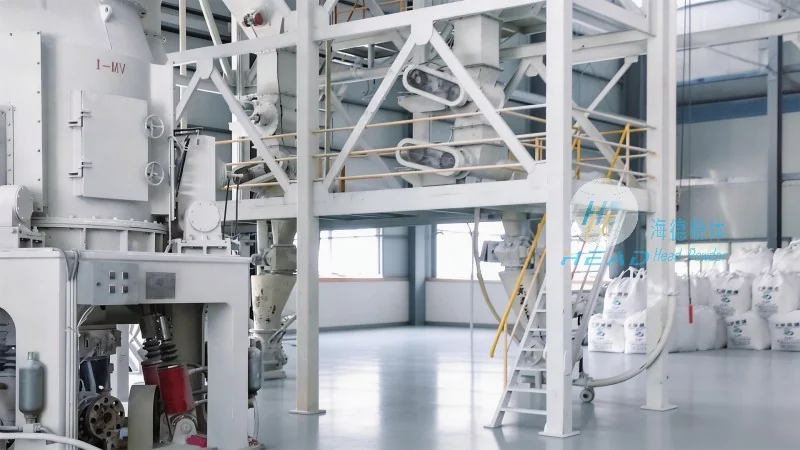
Operation Process of the System
The operation process of a pneumatic conveying system for molybdenum oxide powder involves several sequential steps. First, the powder is stored in the hopper and fed into the system via the feeder. The feeder controls the flow rate, ensuring a consistent supply of powder to the conveying line. Next, the air is introduced into the system, either by a blower or a vacuum pump, depending on the system type. The air then carries the powder particles through the pipeline. As the mixture travels, it may encounter a separator or filter, which removes any excess air or fine particles, preventing them from entering the discharge point. Finally, the powder is discharged into the receiving container or processing equipment. The entire process is typically automated, with sensors and controls monitoring parameters like pressure, flow rate, and temperature to maintain optimal operation.
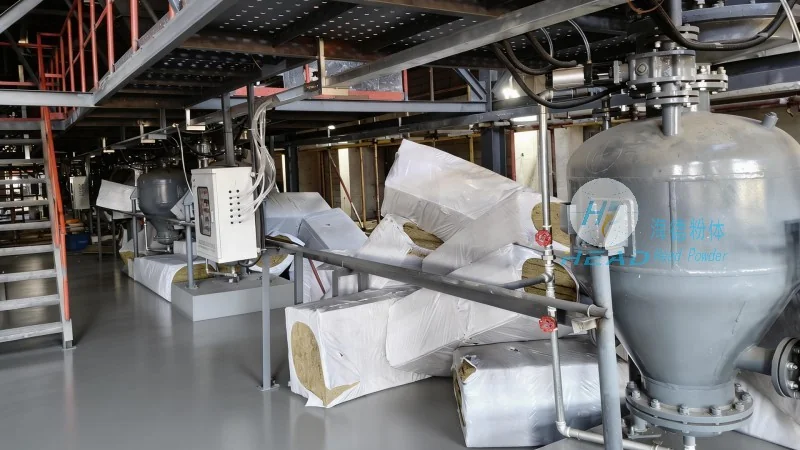
Role of Shandong HeadPowder Engineering Co., Ltd. in Optimizing Pneumatic Conveying
Shandong HeadPowder Engineering Co., Ltd., a leading provider of powder handling solutions, specializes in designing and implementing customized pneumatic conveying systems for molybdenum oxide powder. The company leverages advanced engineering and technical expertise to ensure that the systems meet the specific requirements of each application. By considering factors such as the powder's physical properties, the desired conveying distance, and the operational environment, HeadPowder engineers develop tailored solutions that enhance efficiency, reduce downtime, and improve overall process reliability. The company's commitment to quality and innovation has made it a trusted partner for industries relying on molybdenum oxide powder, providing comprehensive support from system design to installation and maintenance.
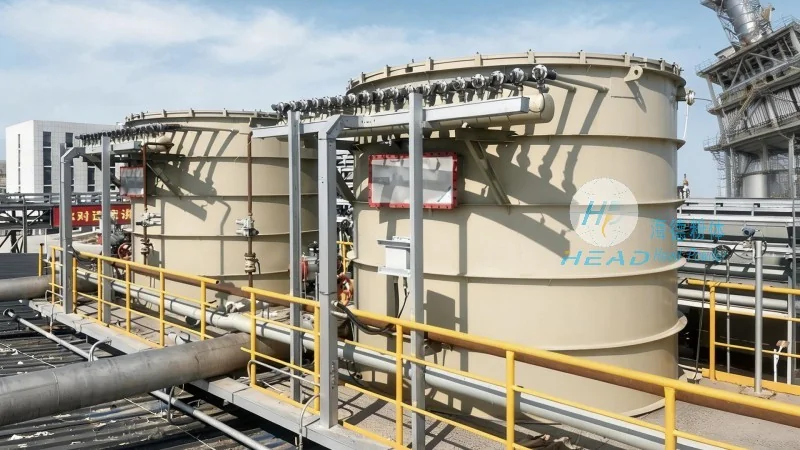
Benefits and Considerations for Pneumatic Conveying of Molybdenum Oxide Powder
Pneumatic conveying offers several benefits when handling molybdenum oxide powder, including the ability to transport the material over long distances without the need for mechanical components like conveyors or elevators. This reduces the risk of contamination and damage to the powder particles. Additionally, the system can be integrated with other processing equipment, enabling seamless material transfer. However, there are also considerations to keep in mind, such as the potential for particle degradation due to high air velocities or the risk of blockages if the powder has a high moisture content or is prone to agglomeration. Proper system design and maintenance are crucial to mitigate these risks and ensure consistent performance.
Conclusion
In conclusion, pneumatic conveying is an effective and efficient method for transporting molybdenum oxide powder, with a clear understanding of its operation process and working principle being essential for optimal system performance. Shandong HeadPowder Engineering Co., Ltd. plays a vital role in advancing these technologies, providing customized solutions that meet the diverse needs of industrial applications. By adhering to best practices in system design and maintenance, industries can leverage the advantages of pneumatic conveying to enhance productivity and ensure the quality of their molybdenum oxide powder handling processes.