

Operation Process and Working Principle of Pneumatic Conveying for Stone Coal Powder Bodies
Shandong HeadPowder Engineering Co., Ltd., a professional manufacturer based in Shandong, China, specializes in the design, production, and application of pneumatic conveying systems for various powder and granular materials. Among its diverse product offerings, the company focuses on systems tailored for the efficient handling of stone coal powder bodies, a critical component in many industrial processes. This article delves into the operation process and working principle of such systems, highlighting the technical aspects and practical applications that make them indispensable in modern material handling.
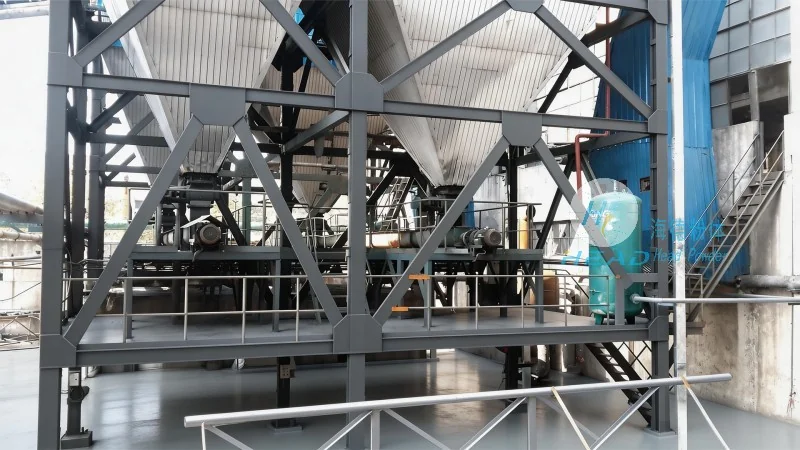
Pneumatic Conveying Systems: An Overview
Pneumatic conveying systems are mechanical devices that use air or gas to transport bulk materials from one location to another. Unlike traditional methods like belt conveyors or bucket elevators, these systems operate by creating a flow of air that propels the material through a pipeline. The technology is widely used in industries such as mining, chemical processing, food processing, and pharmaceuticals, where the need for clean, dust-free, and flexible material transport is paramount. For stone coal powder bodies, which are often abrasive and potentially hazardous, specialized pneumatic conveying systems are essential to ensure safe and efficient operation.
Key Components of Pneumatic Conveying Systems
At the core of any pneumatic conveying system are several key components that work in tandem to achieve effective material transport. These components include the air compressor or blower, which generates the necessary air pressure; the material feed hopper, where the stone coal powder is introduced; the conveying line, typically made of stainless steel or other corrosion-resistant materials to withstand the abrasive nature of the material; and the control valves and regulators that manage the air flow and pressure. Additionally, the system may include a dust collector or filter to capture any airborne particles and maintain a clean working environment. Each component is carefully designed and integrated to ensure optimal performance and durability, especially when handling materials like stone coal powder that can cause wear and tear on equipment.
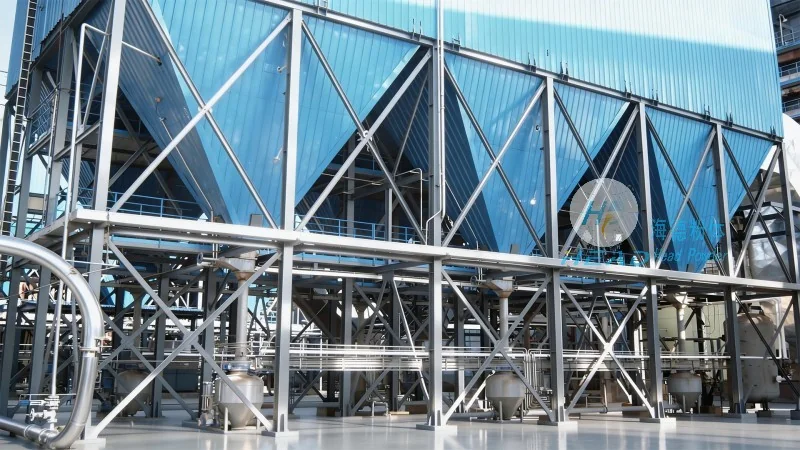
The Operation Process of Pneumatic Conveying for Stone Coal Powder Bodies
The operation process of a pneumatic conveying system for stone coal powder bodies involves several sequential steps. First, the stone coal powder is fed into the material hopper from a storage silo or bin. The hopper is equipped with a feeder, such as a rotary valve or a screw feeder, which controls the flow rate of the material into the system. Simultaneously, the air compressor or blower starts operating, generating a high-pressure air stream. The material is then drawn into the conveying line by the suction or pressure created by the air flow. As the material travels through the pipeline, it is mixed with the air, forming a dense or dilute phase stream depending on the system design. The conveying line may include bends, expansions, or reductions to guide the material to the desired destination, such as a storage tank, processing unit, or discharge point. At the end of the line, the material is separated from the air through a separator or cyclone, and the air is either recirculated or vented to the atmosphere. The separated material is then collected in a receiving hopper or container, ready for further processing or use.
Working Principle: How Pneumatic Conveying Transports Stone Coal Powder Bodies
The working principle of pneumatic conveying for stone coal powder bodies is based on the fundamental physics of fluid dynamics and particle movement. The system operates by creating a pressure differential between the inlet and outlet of the conveying line. In a pressure system, the air compressor pushes air into the line, creating a positive pressure that forces the material to move forward. In a suction system, the air blower creates a negative pressure at the inlet, drawing the material into the line. The key to efficient transport is the balance between the air velocity and the particle size and density. The air velocity must be sufficient to overcome the gravitational and frictional forces acting on the particles, ensuring that they remain suspended in the air stream. For stone coal powder bodies, which are typically coarse and abrasive, the system must be designed to handle high particle velocities and prevent blockages or wear on the pipeline. The use of appropriate materials for the conveying line, such as stainless steel or polyurethane, and the incorporation of wear-resistant components, such as liners and elbows, are critical to maintaining the system's longevity and performance.
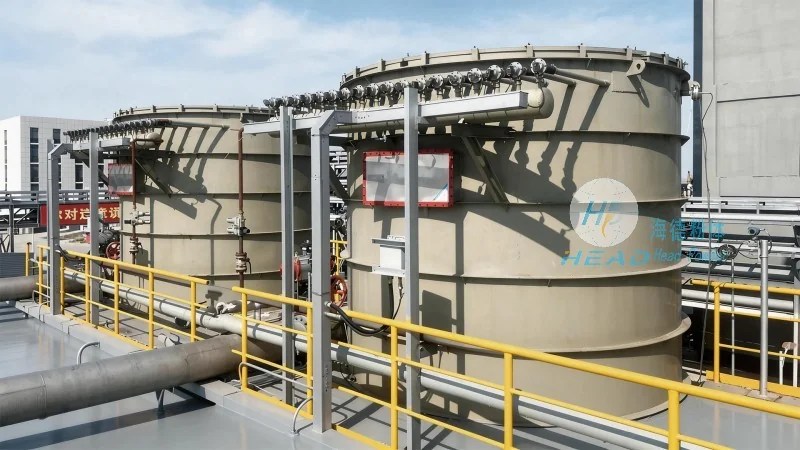
Advantages of Pneumatic Conveying for Stone Coal Powder Bodies
Pneumatic conveying systems offer several advantages when handling stone coal powder bodies. One of the primary benefits is the ability to transport materials in a closed system, which minimizes dust emissions and protects the environment. This is particularly important for stone coal powder, which can be a source of airborne particles that may be hazardous to workers and the surrounding community. Additionally, pneumatic conveying systems are flexible and can be easily reconfigured to accommodate changes in material flow rates or destination points. They can also handle materials that are difficult to transport using traditional methods, such as those with high moisture content or those that are prone to caking. The systems are also relatively compact and can be installed in tight spaces, making them suitable for applications where space is limited. Furthermore, the use of automated controls allows for precise regulation of the material flow, ensuring consistent and reliable operation.
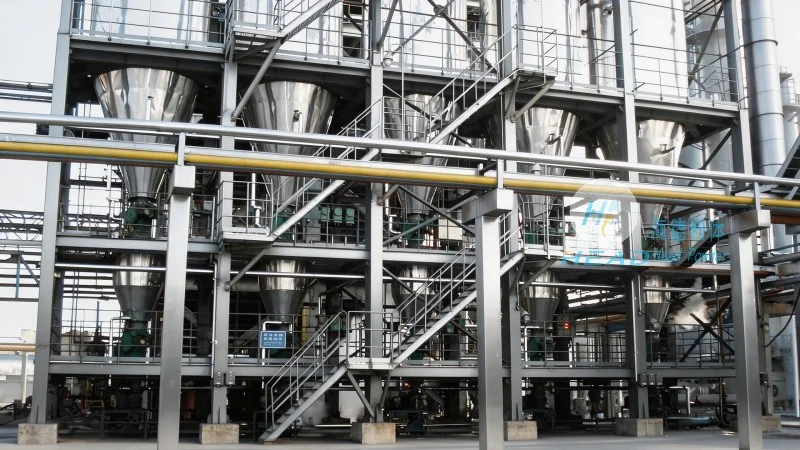
Applications and Industries Using Pneumatic Conveying for Stone Coal Powder Bodies
The applications of pneumatic conveying systems for stone coal powder bodies are diverse and span multiple industries. In the mining industry, these systems are used to transport coal from the mine to processing facilities or storage areas. In the chemical industry, they are used to handle coal-based raw materials for the production of chemicals or fuels. In the power generation industry, they are used to transport coal to boilers for combustion. The systems are also used in the food and pharmaceutical industries, where the need for clean and hygienic material transport is critical. For example, in the food industry, pneumatic conveying systems are used to transport flour or other powders, while in the pharmaceutical industry, they are used to transport active ingredients or other powders. The versatility of pneumatic conveying systems makes them a popular choice for handling stone coal powder bodies in a wide range of industrial applications.
Conclusion: The Importance of Pneumatic Conveying Systems for Stone Coal Powder Bodies
In conclusion, pneumatic conveying systems are a critical technology for the efficient and safe handling of stone coal powder bodies. The operation process involves a series of steps, from material feeding to separation and collection, all of which are designed to ensure optimal performance and durability. The working principle is based on fluid dynamics and particle movement, with the system operating by creating a pressure differential to transport the material through the pipeline. The advantages of these systems, including closed transport, flexibility, and automation, make them an indispensable part of modern material handling. As industries continue to demand more efficient and environmentally friendly solutions, the importance of pneumatic conveying systems for stone coal powder bodies will only grow. Shandong HeadPowder Engineering Co., Ltd. remains at the forefront of this technology, providing high-quality systems that meet the needs of its customers and contribute to the advancement of industrial material handling.