

Operation Process and Working Principle of High-Temperature Fly Ash Powder Pneumatic Conveying
High-temperature fly ash, a byproduct of coal combustion in thermal power plants, poses significant challenges for handling and transportation due to its temperature and particle characteristics. Pneumatic conveying systems have emerged as an efficient solution for transporting this material from the boiler to storage or processing facilities. This article explores the operation process and working principles of such systems, highlighting the key components and mechanisms involved.
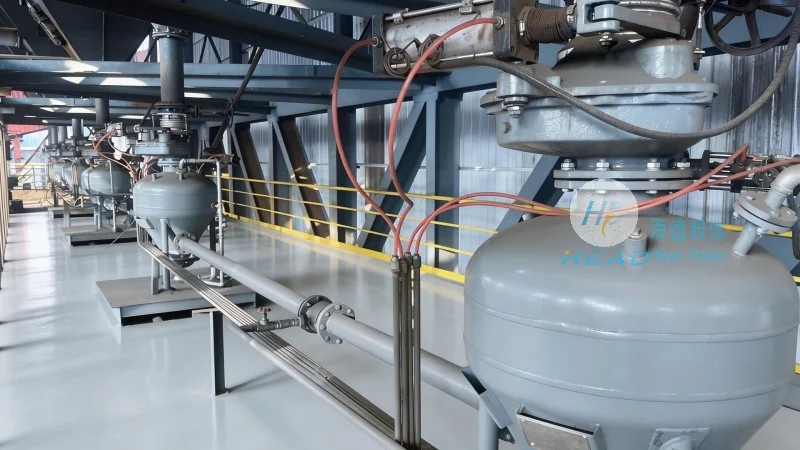
Key Components of the Pneumatic Conveying System
The high-temperature fly ash pneumatic conveying system typically consists of several critical components that work in tandem to ensure reliable and efficient material transport. These include the ash hopper, which serves as the initial storage and feeding unit; the air compressor or blower, responsible for generating the necessary air pressure to move the material; the conveying pipeline, which transports the ash from the hopper to the destination; and the control system, which monitors and regulates the entire process. Each component plays a vital role in maintaining the system's performance and safety.
Operation Process of the System
The operation process of a high-temperature fly ash pneumatic conveying system begins with the ash being discharged from the boiler into the ash hopper. The hopper is equipped with a feeding mechanism, such as a rotary valve or screw feeder, which controls the flow rate of the ash into the system. Simultaneously, the air compressor starts operating, generating a high-pressure air stream. The ash is then introduced into the pipeline through a venturi or injection point, where it is mixed with the air and carried along the pipeline by the air flow. The conveying pipeline is designed with appropriate bends and fittings to ensure smooth material transport without excessive pressure drop or blockage. At the destination, the ash is discharged into a storage silo or processing unit, and the air is filtered and released back into the environment.
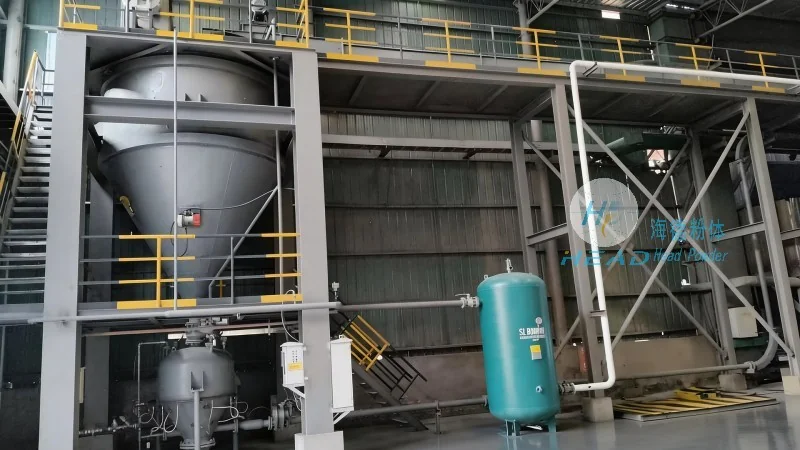
Working Principle of the Pneumatic Conveying Mechanism
The working principle of the high-temperature fly ash pneumatic conveying system is based on the principle of fluidization and drag. The air compressor provides a continuous flow of air at a pressure sufficient to overcome the gravitational force of the ash particles and the friction within the pipeline. As the ash enters the pipeline, it is suspended in the air stream, forming a dilute or dense phase mixture depending on the system design. The velocity of the air is maintained above the minimum conveying velocity required to keep the ash particles in suspension, preventing deposition and blockage. The system's control system continuously monitors parameters such as pressure, flow rate, and temperature to ensure optimal operation and prevent system failures.
Advantages of High-Temperature Fly Ash Pneumatic Conveying
Compared to traditional mechanical conveying methods, high-temperature fly ash pneumatic conveying offers several advantages. It eliminates the need for moving parts in the conveying line, reducing maintenance requirements and operational costs. The system is also capable of handling abrasive materials like fly ash without significant wear and tear on components. Additionally, pneumatic conveying allows for flexible routing of the pipeline, enabling the material to be transported to multiple destinations from a single source. The system's ability to operate in high-temperature environments makes it suitable for handling hot ash directly from the boiler, minimizing the risk of material degradation or loss.
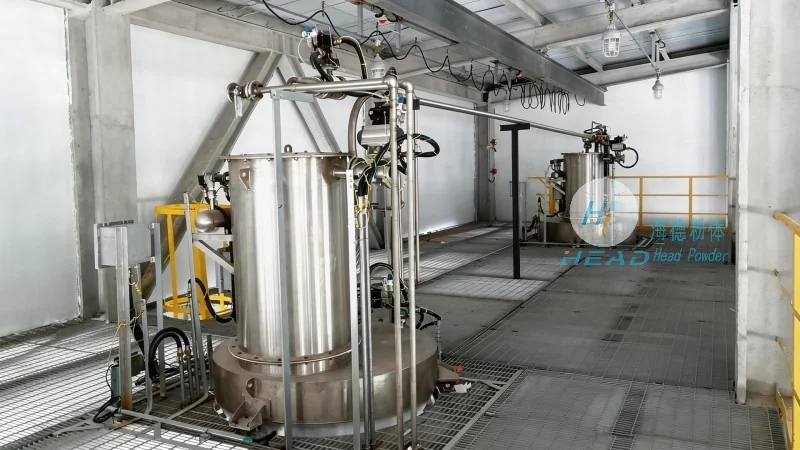
Applications and Industries
High-temperature fly ash pneumatic conveying systems are widely used in the power generation industry, particularly in thermal power plants that burn coal. The systems are also applicable in other industries where fly ash is generated, such as cement production and construction material manufacturing. The systems are designed to handle large volumes of ash efficiently, ensuring that the material is transported safely and reliably to storage or processing facilities. This technology has become essential for power plants to comply with environmental regulations and maintain operational efficiency.
Conclusion
High-temperature fly ash pneumatic conveying systems are a critical technology for the efficient and safe handling of fly ash from thermal power plants. The operation process involves several key components and steps, while the working principle is based on fluidization and drag mechanisms. The system offers numerous advantages over traditional conveying methods, including reduced maintenance, flexible routing, and the ability to handle abrasive materials. As the power generation industry continues to focus on environmental sustainability and operational efficiency, high-temperature fly ash pneumatic conveying systems will remain a vital component in fly ash management. Shandong HeadPowder Engineering Co., Ltd., a leading provider of such systems, specializes in designing and manufacturing customized solutions tailored to the specific needs of power plants and other industries.