

Operation Process and Working Principle of Dust Powder Pneumatic Conveying Systems
For industrial applications that require the efficient and reliable transport of dust and powder materials, pneumatic conveying systems offer a sophisticated solution. These systems are integral to processes in sectors such as chemical manufacturing, food processing, and pharmaceuticals, where the handling of fine particulate materials demands precision and control. Shandong HeadPowder Engineering Co., Ltd., a leading manufacturer of pneumatic conveying systems, specializes in providing customized solutions for such applications.
Introduction to Dust Powder Pneumatic Conveying Systems
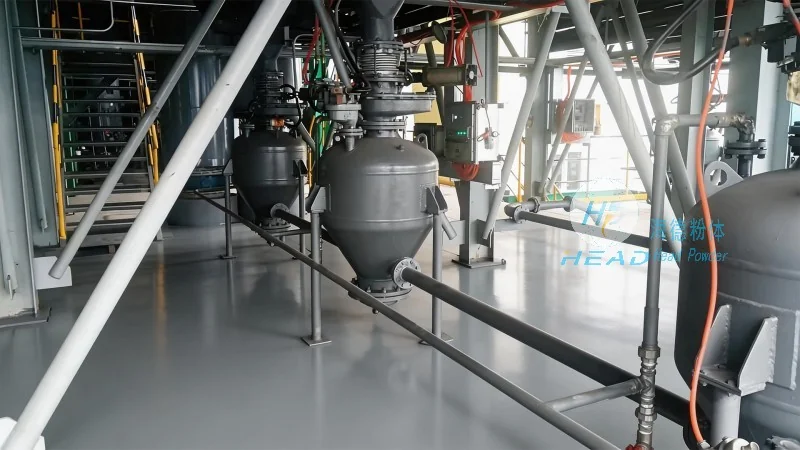
A pneumatic conveying system is a method of transporting bulk materials through a pipeline using a gas stream, typically air or other gases. In the context of dust and powder materials, these systems are designed to handle materials with varying particle sizes, densities, and flow characteristics. The core components of a typical system include a material feed hopper, a conveying line, a pressure or vacuum source, and a discharge mechanism. The system's design is tailored to the specific properties of the material being transported, ensuring that the conveying process is both effective and safe.
Key Components and Their Functions
Each component of a pneumatic conveying system plays a critical role in the overall operation. The material feed hopper is responsible for storing and feeding the powder or dust into the system. It is equipped with a feeder, such as a rotary valve or a screw feeder, which controls the flow rate of the material into the conveying line. The conveying line, usually made of metal or plastic, is the pathway through which the material is transported. The pressure or vacuum source, which can be a blower or a vacuum pump, generates the necessary gas flow to move the material. Finally, the discharge mechanism, such as a rotary valve or a cyclone separator, collects the material at the end of the line.
The Operation Process of a Pneumatic Conveying System
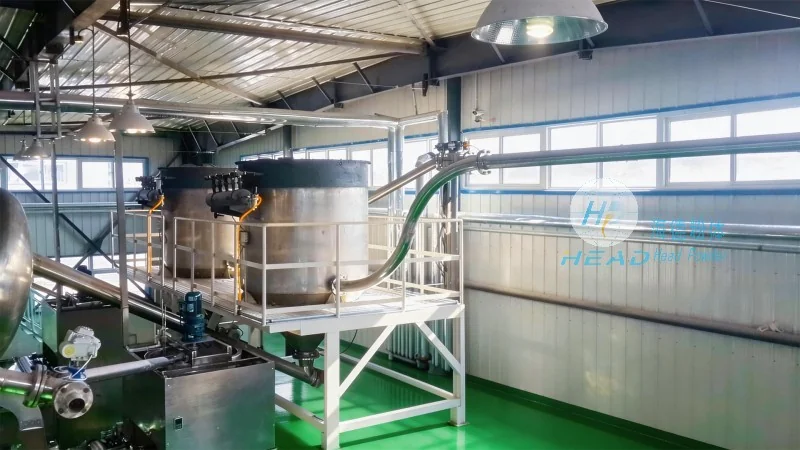
The operation process of a dust powder pneumatic conveying system involves several sequential steps. Initially, the material is fed from the hopper into the conveying line. The feeder regulates the flow rate, ensuring a consistent supply of material. Simultaneously, the pressure source (or vacuum source, depending on the system type) generates a gas flow that moves through the conveying line. As the gas flows, it entrains the powder particles, creating a mixture of gas and solids. This mixture travels through the pipeline to the discharge point. At the discharge end, the material is separated from the gas, typically through a cyclone separator or a filter, and collected in a storage bin or processing equipment.
Working Principle: How Pneumatic Conveying Transports Materials
The working principle of pneumatic conveying relies on the principles of fluid dynamics and particle mechanics. In a pressure system, the blower creates a high-pressure air stream that pushes the material through the pipeline. The air velocity is maintained above the minimum conveying velocity, which is the speed at which the material particles are lifted and transported without settling. In a vacuum system, a vacuum pump creates a low-pressure environment that draws the material from the hopper into the pipeline. The gas flow entrains the particles, and the combination of gas and solids moves through the system. The separation of material from gas at the discharge point is achieved by allowing the gas to escape while the heavier particles fall due to gravity or are directed into a collection vessel.
Advantages of Pneumatic Conveying for Dust and Powder Handling
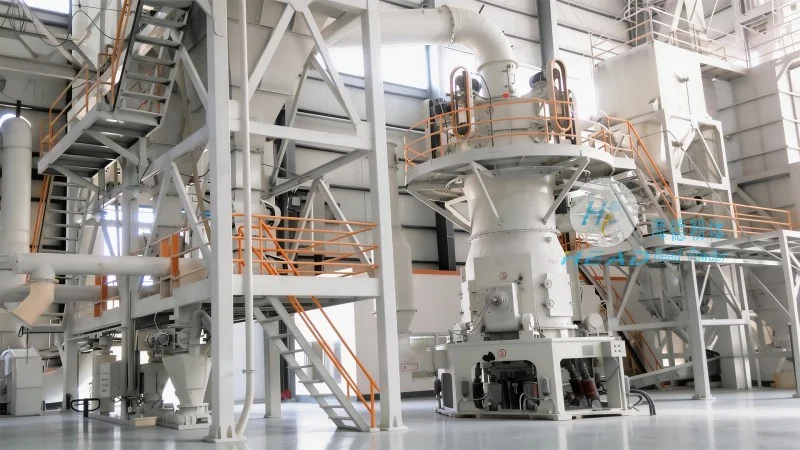
Pneumatic conveying systems offer several advantages over traditional methods like belt conveyors or bucket elevators. These include the ability to transport materials over long distances, the flexibility to handle materials with varying properties, and the reduced risk of material contamination. The enclosed system also minimizes dust emissions, making it suitable for applications where environmental and safety standards are stringent. Additionally, the system can be integrated with other processing equipment, allowing for a seamless flow of materials from storage to processing.
Applications in Industrial Settings
The versatility of pneumatic conveying systems makes them applicable in a wide range of industrial settings. In the chemical industry, they are used to transport powders such as cement, limestone, and chemicals. In the food industry, they handle ingredients like flour, sugar, and spices, ensuring that the materials are transported hygienically and without contamination. In the pharmaceutical industry, the systems are used to transport active pharmaceutical ingredients (APIs) and other powders, maintaining the purity and integrity of the materials. The ability to handle fine powders and maintain a clean environment makes these systems essential in these sectors.
Maintenance and Operational Considerations
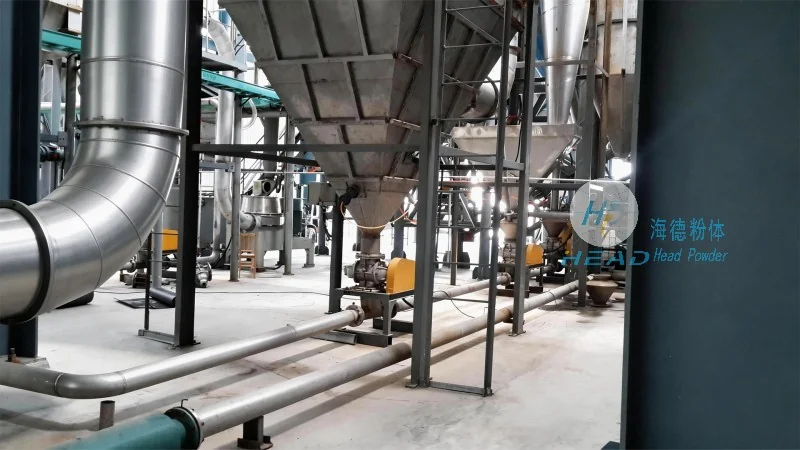
Proper maintenance is crucial for the efficient operation of pneumatic conveying systems. Regular inspection of components such as the feeder, conveying line, and pressure source is necessary to ensure that the system operates at optimal performance. Cleaning the system after each use or shift is important to prevent material buildup and blockages. Additionally, monitoring the pressure and flow rates helps in identifying any issues early, preventing system downtime. The use of appropriate filters and separators also ensures that the system remains clean and efficient over time.
Conclusion
Pneumatic conveying systems are a vital technology for the efficient handling of dust and powder materials in various industrial applications. By understanding the operation process and working principle of these systems, industries can optimize their material transport processes, improve efficiency, and ensure compliance with safety and environmental standards. The integration of advanced components and proper maintenance practices further enhances the performance and longevity of these systems, making them a reliable choice for bulk material handling. Shandong HeadPowder Engineering Co., Ltd. continues to innovate in this field, providing high-quality pneumatic conveying solutions tailored to the diverse needs of modern industries.