

Operation Process and Working Principle of River Sand Powder Pneumatic Conveying System
River sand, a vital raw material in construction and industrial applications, often requires efficient and reliable transportation methods to ensure smooth production processes. Pneumatic conveying systems have emerged as a preferred solution for handling fine powders like river sand due to their ability to transport materials without mechanical contact, reducing wear and tear on equipment. This article delves into the operation process and working principle of a river sand powder pneumatic conveying system, highlighting its key components, operational steps, and the technological advancements that make it an effective choice for modern material handling.
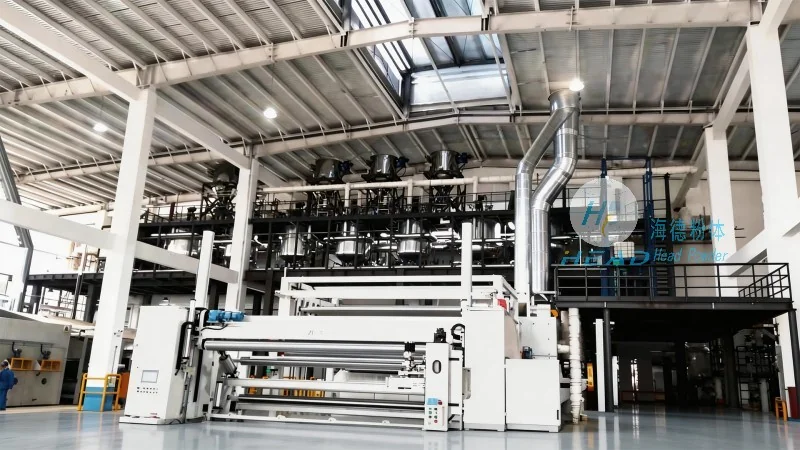
Key Components of the Pneumatic Conveying System
The river sand powder pneumatic conveying system consists of several critical components that work in tandem to ensure efficient material transport. These components include the hopper (for material storage), the air compressor (to generate the necessary air pressure), the conveying line (typically made of metal or flexible tubing), the control valves (to regulate airflow and material flow), and the receiver (to collect the conveyed sand). Each component plays a crucial role in maintaining the system's performance and reliability. The hopper is designed to hold a sufficient quantity of river sand, ensuring a steady supply for continuous operation. The air compressor, often a positive displacement type, generates the compressed air needed to create the airflow that propels the sand particles through the conveying line. The conveying line, which can be either rigid or flexible, is selected based on the system's requirements, such as the distance and material characteristics. Control valves, including air valves and material valves, are used to regulate the flow of air and sand, preventing blockages and ensuring smooth operation. Finally, the receiver collects the transported sand, completing the material handling cycle.
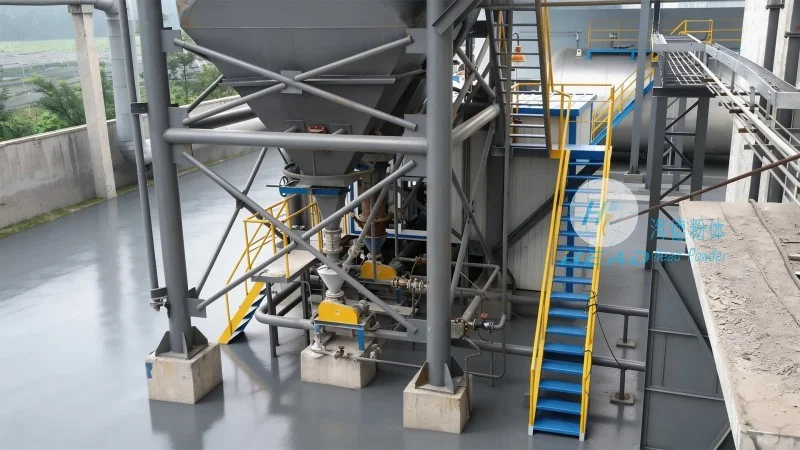
Operation Process of the Pneumatic Conveying System
The operation of a river sand powder pneumatic conveying system follows a systematic process that ensures efficient and safe material transport. The process begins with the loading of river sand into the hopper. As the hopper is filled, the material is released into the conveying line through a feeder, which controls the flow rate of the sand. Simultaneously, the air compressor starts, generating compressed air that is directed into the conveying line. The compressed air creates a flow that carries the sand particles forward, overcoming the gravitational force and any resistance in the line. The sand particles are suspended in the air stream and transported to the receiver. At the receiver, the air and sand are separated, with the sand collected in the receiver and the air either released to the atmosphere or recirculated back to the system. The control valves play a vital role in regulating the airflow and material flow, ensuring that the system operates at optimal pressure and flow rates. The entire process is typically automated, with sensors and controls monitoring the system's performance and adjusting parameters as needed to maintain efficiency.
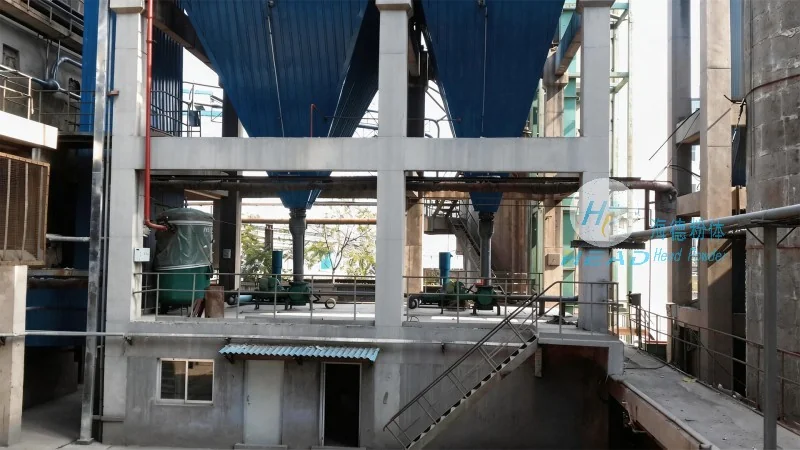
Working Principle of the Pneumatic Conveying System
The working principle of a river sand powder pneumatic conveying system is based on the fundamental concept of fluidization and suspension of solid particles in a gas stream. When compressed air is introduced into the conveying line, it creates a high-velocity air flow that interacts with the sand particles in the hopper. The air flow lifts the sand particles and carries them through the line, converting the solid material into a fluid-like state. This process is known as pneumatic transport, where the air acts as the conveying medium. The key to the system's effectiveness lies in maintaining the right balance of air pressure and flow rate. If the air pressure is too low, the sand particles may not be fully suspended, leading to blockages or uneven flow. Conversely, if the air pressure is too high, it can cause excessive wear on the equipment and increase energy consumption. The system's design, including the size of the conveying line, the length of the run, and the type of air compressor, is critical in achieving the optimal air-to-sand ratio for efficient transport. Additionally, the use of appropriate materials for the conveying line, such as stainless steel or high-quality plastic, ensures resistance to corrosion and abrasion from the sand particles, extending the system's lifespan.