

Operation Process and Working Principle of Ceramic Powder Pneumatic Conveying Systems
Ceramic powder pneumatic conveying systems are specialized industrial equipment designed to transport fine ceramic powders through a pipeline using compressed air or other gas media. These systems are widely used in the ceramic manufacturing industry due to their efficiency, flexibility, and ability to handle materials that are sensitive to moisture or contamination. The systems are engineered to ensure minimal material degradation while maintaining high transfer rates, making them essential for processes such as raw material handling, product blending, and waste removal in ceramic production facilities.
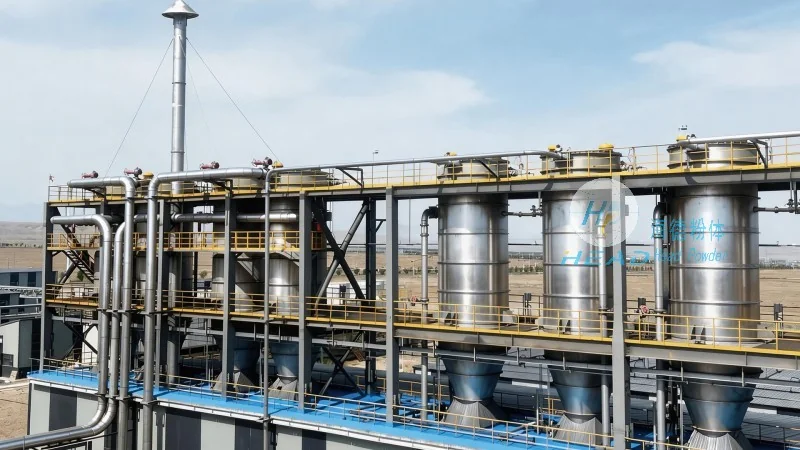
Key Components of the Pneumatic Conveying System
The ceramic powder pneumatic conveying system typically consists of several core components that work in tandem to achieve effective material transport. These components include a material feeder, a conveying pipeline, a gas source (usually a blower or compressor), a control system, and a dust collection or separation unit. The material feeder is responsible for introducing the ceramic powder into the system at a controlled rate, ensuring consistent flow. The conveying pipeline is designed to withstand the pressure and temperature conditions of the operation, often made from materials like stainless steel or specialized plastics to prevent corrosion and material adhesion. The gas source provides the necessary pressure and volume of air or gas to move the powder through the pipeline. The control system monitors and regulates the flow of material and gas, ensuring optimal performance and preventing system overloads. Finally, the dust collection or separation unit captures any fine particles that may escape the main pipeline, maintaining air quality and preventing environmental contamination.
Operation Process of the Ceramic Powder Pneumatic Conveying System
The operation of a ceramic powder pneumatic conveying system follows a systematic process that ensures reliable and efficient material transfer. The process begins with the preparation of the ceramic powder, which is typically stored in a hopper or silo and fed into the system via a rotary valve or screw feeder. The feeder controls the flow rate of the powder, which is then introduced into the conveying pipeline. Simultaneously, the gas source generates compressed air or gas, which is introduced into the pipeline at a specific pressure and flow rate. The compressed gas creates a pressure differential that propels the ceramic powder particles through the pipeline. As the powder moves through the system, it may encounter various components such as bends, expansions, or filters, which help maintain the flow and prevent blockages. The material is then discharged at the receiving end of the system, where it is collected in a storage tank or processing unit. The entire process is monitored by the control system, which adjusts parameters like gas pressure and material feed rate to maintain optimal performance. The system operates continuously, with the ability to handle varying material loads and flow rates, making it suitable for both batch and continuous production processes.
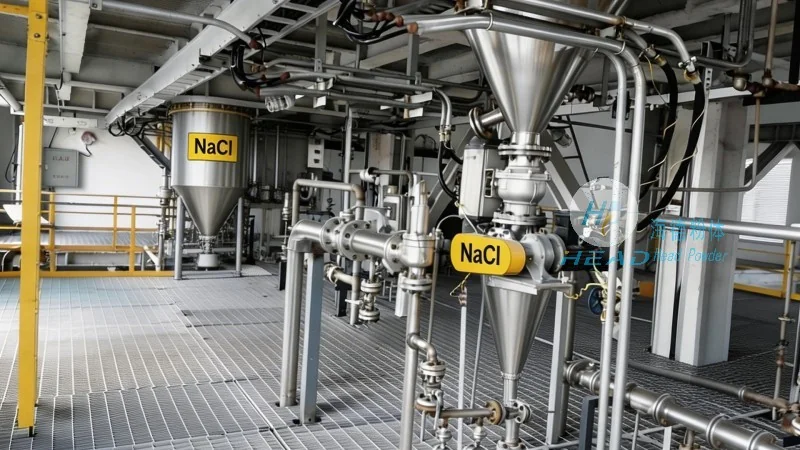
Working Principle of the Pneumatic Conveying System
The working principle of the ceramic powder pneumatic conveying system is based on the fundamental physics of fluid dynamics and particle motion. The system utilizes the principle of pneumatic transport, where solid particles are suspended and transported by a gas stream. In the case of ceramic powders, the particles are typically fine and lightweight, allowing them to be entrained by the compressed air. The key to effective transport is the balance between the gas velocity and the particle size. If the gas velocity is too low, the particles may settle and cause blockages; if it is too high, excessive energy consumption and particle degradation may occur. The system operates under either positive pressure or negative pressure (suction) modes. In positive pressure systems, the gas is introduced at the material inlet, pushing the powder through the pipeline. In negative pressure systems, the gas is drawn from the material outlet, creating a vacuum that pulls the powder. The choice of mode depends on the application and the distance of material transport. The system also employs various conveying methods, such as dilute phase (where particles are suspended in the gas stream) and dense phase (where particles are more concentrated and move in a plug flow), to optimize performance for different material characteristics and transport distances.
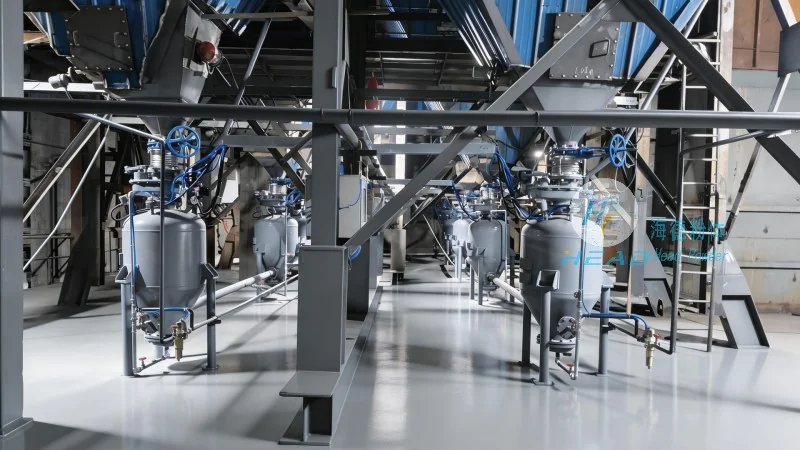
Advantages and Applications of Ceramic Powder Pneumatic Conveying Systems
Ceramic powder pneumatic conveying systems offer several advantages that make them a preferred choice for ceramic manufacturing processes. These advantages include high transfer efficiency, as the systems can move large quantities of material over long distances with minimal loss. The systems are also flexible, as they can be easily reconfigured to accommodate changes in production requirements or material types. Additionally, the systems are relatively compact and can be integrated into existing production lines without significant modifications. The use of compressed air as the conveying medium ensures that the ceramic powder remains dry and free from contamination, which is critical for maintaining product quality in ceramic manufacturing. The systems are widely used in various applications, including the transport of raw materials such as clay, feldspar, and quartz; the blending of ceramic powders for specific formulations; and the removal of waste materials from production lines. The systems are also suitable for handling sensitive materials that are prone to moisture absorption or chemical reactions, as the enclosed pipeline prevents exposure to the environment.
Maintenance and Operational Considerations
To ensure the reliable and long-term operation of ceramic powder pneumatic conveying systems, proper maintenance and operational considerations are essential. Regular maintenance activities include cleaning the conveying pipeline and components to prevent material buildup and blockages, inspecting and replacing worn parts such as seals and bearings, and checking the performance of the gas source and control system. The system should be operated within the specified parameters, such as gas pressure and material feed rate, to avoid overloading or damage to components. Additionally, the system should be equipped with safety features, such as pressure relief valves and dust collection systems, to prevent accidents and environmental hazards. Proper training of operators is also crucial to ensure that the system is used correctly and efficiently. By following these maintenance and operational guidelines, the system can achieve high performance and longevity, providing reliable material transport for ceramic manufacturing processes.