

Operation Process and Working Principle of Barium Sulfate Powder Pneumatic Conveying System
Barium sulfate, a widely used industrial powder, often requires efficient and reliable transportation methods to move it from one location to another. The pneumatic conveying system, as developed by Shandong HeadPowder Engineering Co., Ltd., offers a sophisticated solution for handling such powders with precision and efficiency. This system is designed to ensure smooth operation and optimal performance in various industrial applications.
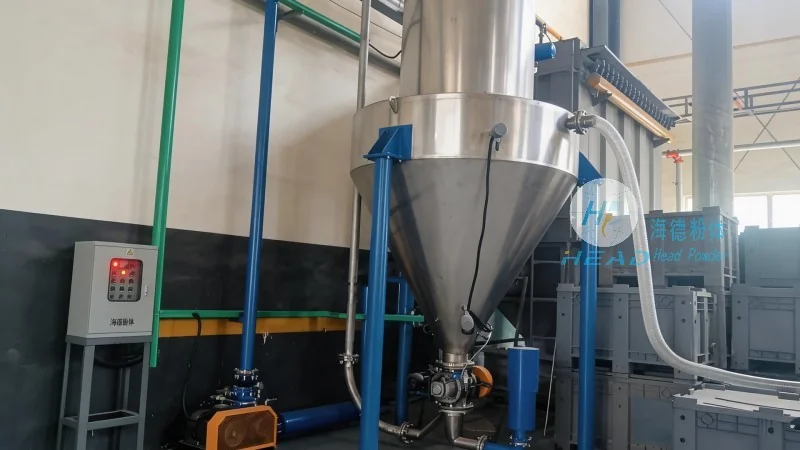
Working Principle of the Pneumatic Conveying System
The core of the pneumatic conveying system lies in its ability to transport powders using air or gas as the conveying medium. In this system, barium sulfate powder is introduced into a pipeline where it is mixed with a stream of air or other gases. The air flow creates a pressure differential that propels the powder particles through the system. The system typically consists of several key components, including a hopper for material storage, a rotary valve for controlled discharge, a conveying line, and a receiver for material collection. The air flow is regulated by a blower or compressor, which maintains the necessary pressure and velocity to ensure the powder moves without clogging or degradation.
Operation Process of the Pneumatic Conveying System
The operation process of the barium sulfate powder pneumatic conveying system begins with the loading of the powder into the hopper. The rotary valve then controls the flow of powder into the conveying line, ensuring a consistent feed rate. The blower or compressor generates the air flow, which is introduced into the line at the inlet. As the air flows through the pipeline, it carries the barium sulfate particles forward. The system is designed to handle different powder characteristics, such as particle size, density, and moisture content, by adjusting the air velocity and pressure. The receiver at the end of the line collects the conveyed powder, completing the process. The entire operation is automated and can be monitored for performance and efficiency, allowing for real-time adjustments to maintain optimal conditions.
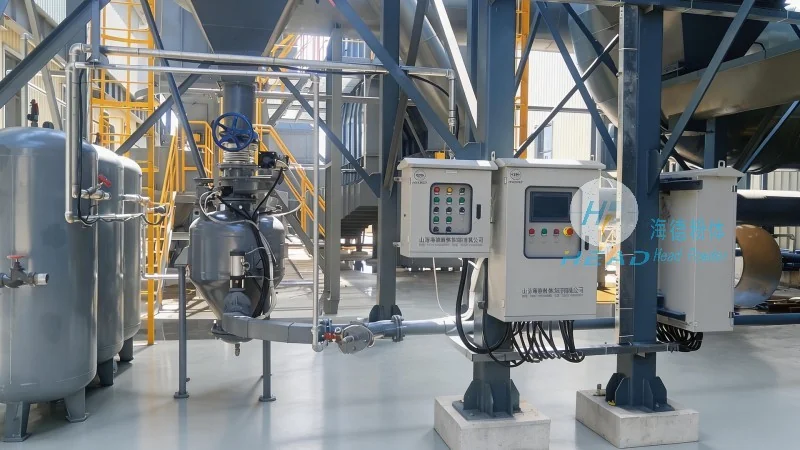
Key Components and Their Functions
Several critical components work together to ensure the smooth operation of the pneumatic conveying system. The hopper serves as the storage container, providing a stable feed source for the powder. The rotary valve, often equipped with a control mechanism, regulates the discharge rate, preventing overfilling or underfilling. The conveying line, usually made of durable materials like stainless steel or plastic, is designed to withstand the pressure and abrasive nature of the barium sulfate powder. The blower or compressor is responsible for generating the air flow, with adjustable speed and pressure settings to match the system's requirements. The receiver, typically a hopper or tank, collects the conveyed powder and may include a discharge valve for further processing. Each component is carefully selected and maintained to ensure the system operates reliably and efficiently.
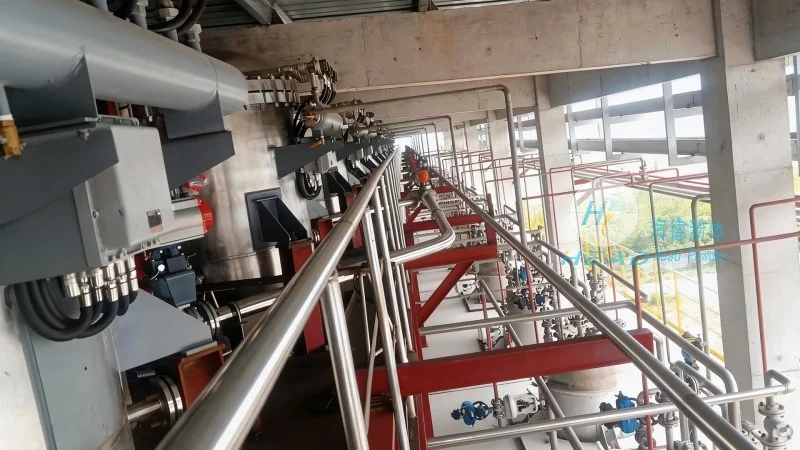
Advantages of Using a Pneumatic Conveying System for Barium Sulfate
Implementing a pneumatic conveying system for barium sulfate powder offers several advantages over traditional methods like bucket elevators or belt conveyors. One of the primary benefits is the ability to handle fine powders without clogging, as the air flow prevents particle agglomeration. The system also reduces the risk of dust contamination and exposure, improving workplace safety. Additionally, the pneumatic conveying system can be integrated with other processing equipment, such as mixers or classifiers, to streamline production processes. The automated nature of the system minimizes human intervention, reducing labor costs and potential errors. Furthermore, the system's flexibility allows for easy adjustments to accommodate changes in production volume or powder characteristics, making it a versatile solution for various industrial applications.
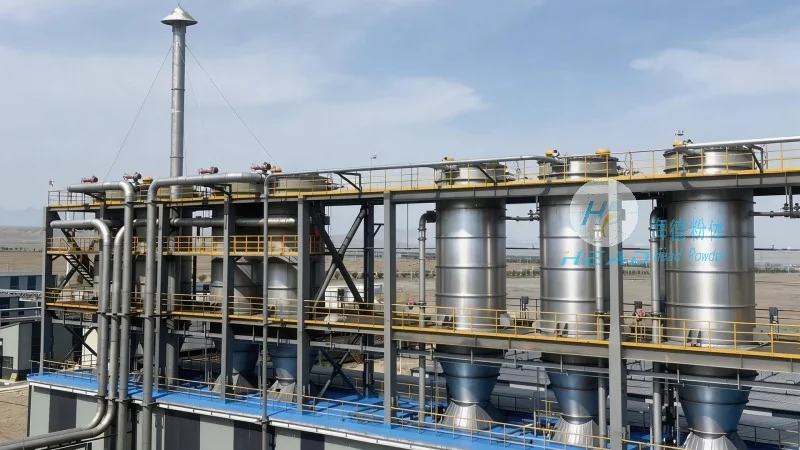
Maintenance and Troubleshooting Tips
To ensure the long-term performance and reliability of the barium sulfate powder pneumatic conveying system, regular maintenance is essential. Regular cleaning of the conveying line and components is necessary to prevent the buildup of powder residue, which can affect airflow and system efficiency. The rotary valve and blower should be inspected periodically for wear and tear, with replacement of worn parts as needed. Monitoring the air pressure and flow rate is crucial, as any deviations can indicate issues with the system. If clogging occurs, it may be due to excessive moisture or agglomeration, which can be addressed by adjusting the air velocity or adding a deagglomerating device. Regular lubrication of moving parts, such as bearings and seals, helps to prevent friction and wear. By following these maintenance practices, the system can operate at optimal levels, minimizing downtime and maximizing productivity.
Conclusion
The pneumatic conveying system developed by Shandong HeadPowder Engineering Co., Ltd. provides an efficient and reliable solution for transporting barium sulfate powder. By understanding the working principle and operation process, as well as the key components and maintenance requirements, users can ensure the system operates at its best. The advantages of this system, including reduced dust exposure, improved safety, and streamlined production, make it a valuable asset for industrial applications. With proper maintenance and operation, the system can deliver consistent performance and contribute to the overall efficiency of the production process.