

Operation Process and Working Principle of Sintering Dust Powder Pneumatic Conveying System
The sintering dust powder pneumatic conveying system is a specialized industrial equipment designed for the efficient transport of sintering dust and other fine powders. As a key component in the sintering process, this system plays a crucial role in maintaining production efficiency and ensuring environmental compliance. Developed by Shandong HeadPowder Engineering Co., Ltd., a leading manufacturer in the field, the system integrates advanced technology to handle the unique challenges associated with sintering dust, such as high moisture content, abrasive properties, and the need for precise material handling. This article provides a detailed overview of the system's operation process and working principles, highlighting its importance in modern industrial applications.
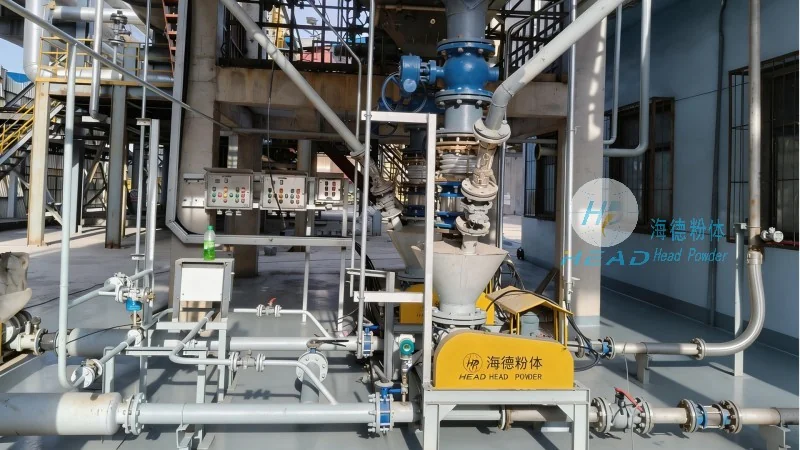
Key Components of the Pneumatic Conveying System
The sintering dust powder pneumatic conveying system consists of several essential components that work in tandem to achieve effective material transport. The primary components include the dust collection hopper, the conveying pipeline, the air compressor or blower, the control valve system, and the material discharge unit. Each component is carefully engineered to meet the specific demands of sintering dust, ensuring durability and optimal performance. The dust collection hopper is designed to capture and store the sintering dust, providing a stable feed source for the conveying process. The conveying pipeline, typically made of corrosion-resistant materials like stainless steel or polyethylene, is equipped with bends and elbows to navigate the system layout while minimizing pressure loss. The air compressor or blower generates the necessary airflow to move the powder through the pipeline, with adjustable pressure and flow rates to accommodate varying material characteristics. The control valve system allows for precise regulation of the air flow and material discharge, enabling operators to manage the conveying process efficiently. Finally, the material discharge unit, such as a rotary valve or a dust collector, ensures the safe and controlled release of the sintered dust to the next processing stage.
Operation Process of the Pneumatic Conveying System
The operation of the sintering dust powder pneumatic conveying system follows a systematic sequence to ensure reliable and continuous material transport. The process begins with the feeding of sintering dust into the dust collection hopper. The hopper is equipped with a feeder mechanism, such as a screw feeder or a rotary valve, which controls the flow rate of the material into the conveying pipeline. Simultaneously, the air compressor or blower starts operation, generating a high-pressure airflow that enters the pipeline through the inlet. The airflow then carries the sintering dust particles through the pipeline, creating a dense phase or dilute phase conveying condition depending on the system design. The conveying process is monitored by the control valve system, which adjusts the air pressure and flow rate to maintain consistent material transport. As the material reaches the discharge point, the control valve system regulates the airflow to ensure a smooth and controlled release of the sintered dust into the next processing unit. The entire operation is automated and can be controlled remotely, allowing operators to manage the system with minimal intervention. This process ensures that the sintering dust is transported efficiently and safely, minimizing material loss and maintaining production continuity.
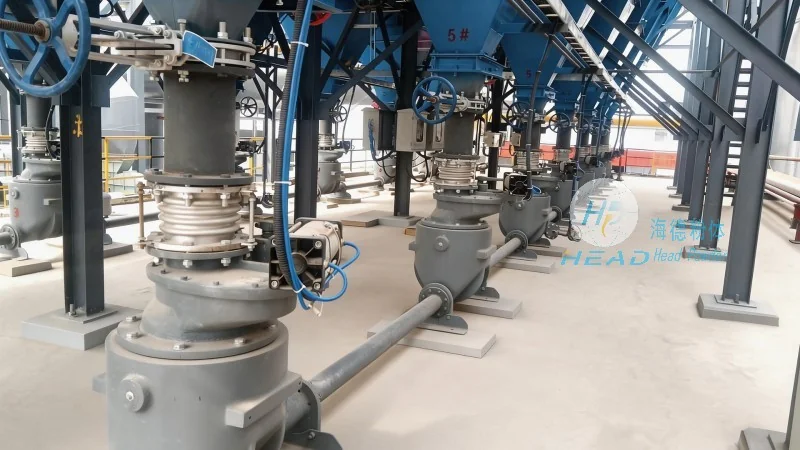
Working Principle of the Pneumatic Conveying System
The working principle of the sintering dust powder pneumatic conveying system is based on the fundamental concept of pneumatic transport, where air is used as the conveying medium to move solid particles. The system operates by creating a pressure differential between the inlet and outlet of the conveying pipeline. The air compressor or blower provides the necessary pressure to push the air and powder mixture through the pipeline. The sintering dust particles are suspended in the air stream, and the velocity of the airflow is maintained at a level that prevents particle settling and ensures stable transport. The system can operate in either dense phase or dilute phase modes. In dense phase conveying, the air velocity is lower, and the powder is transported as a slurry, which reduces particle degradation and minimizes pressure loss. In dilute phase conveying, the air velocity is higher, and the powder is transported as a cloud, which is suitable for longer distances or when the material is less abrasive. The control valve system plays a critical role in regulating the pressure and flow rates, ensuring that the system operates within optimal parameters. By maintaining the correct air-to-powder ratio, the system achieves efficient material transport while minimizing energy consumption and wear on the components. This working principle allows the sintering dust powder pneumatic conveying system to handle the unique characteristics of sintering dust, such as high moisture content and abrasive properties, making it a reliable solution for industrial applications.
Advantages of the Sintering Dust Powder Pneumatic Conveying System
The sintering dust powder pneumatic conveying system offers several advantages over traditional material handling methods, such as belt conveyors or bucket elevators. One of the primary advantages is its ability to handle fine and abrasive materials like sintering dust without causing significant wear or degradation. The system is also highly flexible, allowing for easy integration into existing production lines and adaptation to changing process requirements. The pneumatic transport method eliminates the need for mechanical components in contact with the material, reducing maintenance costs and extending the system's lifespan. Additionally, the system provides a dust-tight and enclosed transport process, which improves environmental safety and reduces the risk of dust emissions. The automated control system allows for precise regulation of the conveying process, ensuring consistent material flow and minimizing material loss. The system also offers energy efficiency, as the air compressor or blower can be optimized to operate at lower energy consumption levels. Overall, the sintering dust powder pneumatic conveying system provides a reliable, efficient, and cost-effective solution for handling sintering dust, making it an essential component in modern industrial operations.
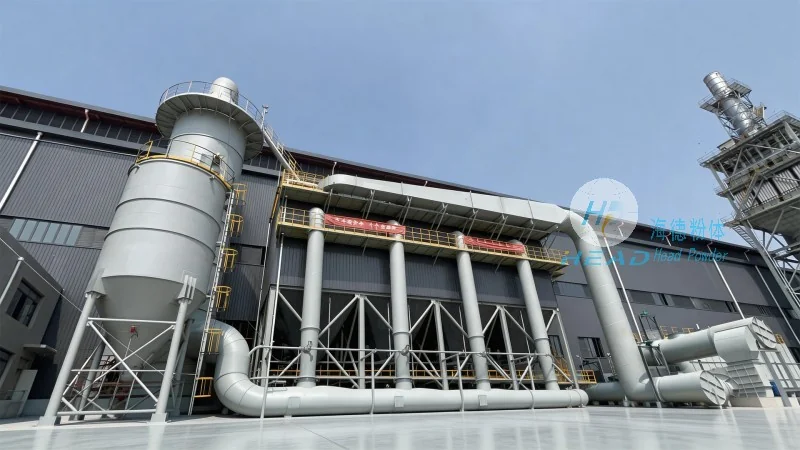
Applications and Industries
The sintering dust powder pneumatic conveying system is widely used in various industries that involve the handling of fine powders and sintering processes. The primary applications include the steel industry, where sintering dust is a byproduct of the sintering process and needs to be transported to recycling or disposal facilities. Other industries that benefit from this system include the mining industry, where fine ore powders are transported from processing plants to storage or further processing units. The system is also used in the chemical industry for transporting powders such as catalysts, pigments, and other fine chemicals. Additionally, the system is applicable in the food and pharmaceutical industries, where the transport of fine powders requires strict hygiene and dust control measures. The versatility of the sintering dust powder pneumatic conveying system makes it suitable for a wide range of industrial applications, ensuring efficient material handling and process continuity.
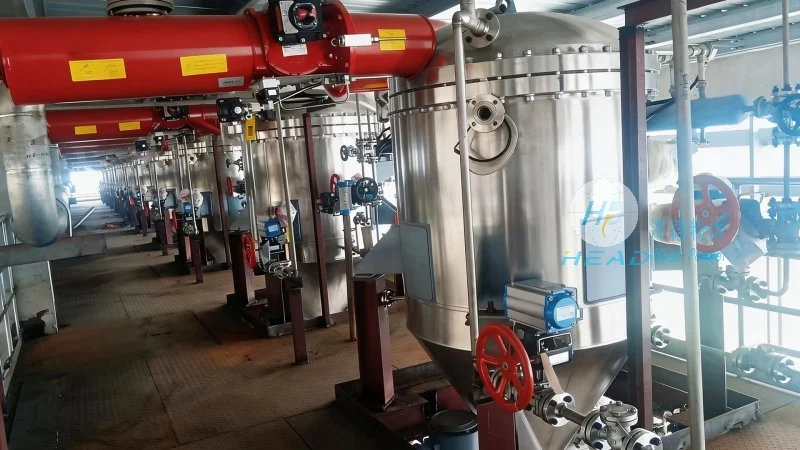
Maintenance and Operational Considerations
Proper maintenance and operational considerations are essential to ensure the long-term performance and reliability of the sintering dust powder pneumatic conveying system. Regular maintenance tasks include inspecting and cleaning the conveying pipeline to prevent blockages and pressure loss, checking the air compressor or blower for optimal performance, and maintaining the control valve system for precise regulation. The dust collection hopper and feeder mechanism should be inspected regularly to ensure they are free from material buildup and functioning correctly. The system's components, such as the pipeline and valves, should be checked for wear and tear, and replaced as needed to prevent system failures. Operational considerations include monitoring the air pressure and flow rates, adjusting the system parameters to accommodate changes in material characteristics, and ensuring proper ventilation and dust collection to maintain a safe working environment. Training operators on the proper use and maintenance of the system is also crucial to prevent accidents and ensure efficient operation. By following these maintenance and operational guidelines, the sintering dust powder pneumatic conveying system can operate at peak performance, minimizing downtime and maximizing production efficiency.
Conclusion
The sintering dust powder pneumatic conveying system is a critical piece of equipment in modern industrial operations, providing efficient and reliable transport of sintering dust and other fine powders. Developed by Shandong HeadPowder Engineering Co., Ltd., the system integrates advanced technology to handle the unique challenges associated with sintering dust, ensuring durability, performance, and environmental compliance. The operation process and working principles of the system are designed to optimize material transport while minimizing energy consumption and wear on components. The system offers several advantages over traditional material handling methods, including flexibility, dust-tight transport, and automated control. Its applications span various industries, including steel, mining, chemical, food, and pharmaceutical sectors. Proper maintenance and operational considerations are essential to ensure the system's long-term performance and reliability. Overall, the sintering dust powder pneumatic conveying system is a cost-effective and efficient solution for handling sintering dust, contributing to improved production efficiency and environmental safety in industrial operations.