

Operation Process and Working Principle of Soil Powder Pneumatic Conveying Equipment
Soil powder pneumatic conveying equipment, as a key component in material handling systems, plays a crucial role in the efficient transportation of fine powders like soil. This equipment is designed to handle materials with specific characteristics, ensuring reliable and continuous operation in various industrial applications. The technology behind pneumatic conveying offers a flexible and effective solution for moving bulk materials over short to medium distances, making it an essential tool for modern processing facilities.
Company Overview: Shandong HeadPowder Engineering Co., Ltd.
HeadPowder, a leading manufacturer in the field of material handling equipment, specializes in the design, development, and production of advanced pneumatic conveying systems. With a strong commitment to innovation and quality, the company has established itself as a trusted partner for industries requiring efficient and reliable material transport solutions. HeadPowder's expertise lies in understanding the unique challenges of handling fine powders, such as soil, and providing tailored equipment that meets the specific needs of each client. The company's headquarters is located in Shandong, China, where it leverages local resources and industry knowledge to deliver high-performance solutions.
Key Components and Structure of Pneumatic Conveying Systems
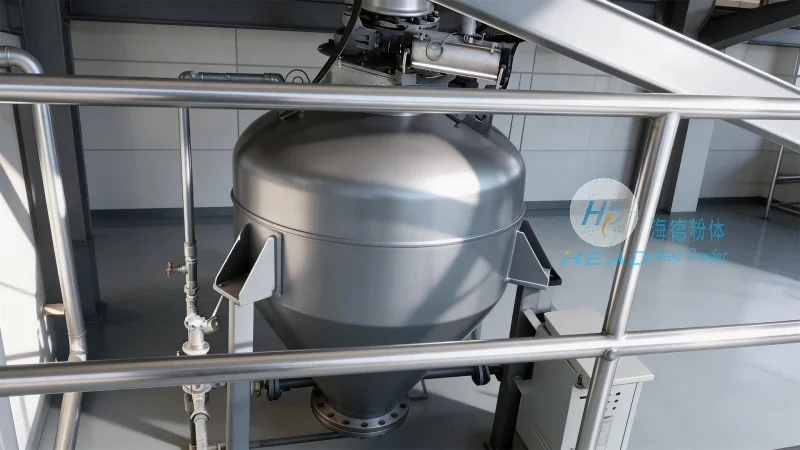
The core components of a soil powder pneumatic conveying system typically include a material hopper, a conveying line, a pressure vessel or receiver, and a control system. The material hopper is responsible for storing the soil powder and feeding it into the system. The conveying line, often made of metal or plastic, transports the material under pressure. The pressure vessel or receiver collects the conveyed material and may include features like a dust collection system to maintain air quality. The control system manages the operation of the equipment, ensuring proper flow rates and pressure levels. Each component is carefully engineered to work in harmony, providing a seamless and efficient conveying process.
Operation Process of Soil Powder Pneumatic Conveying
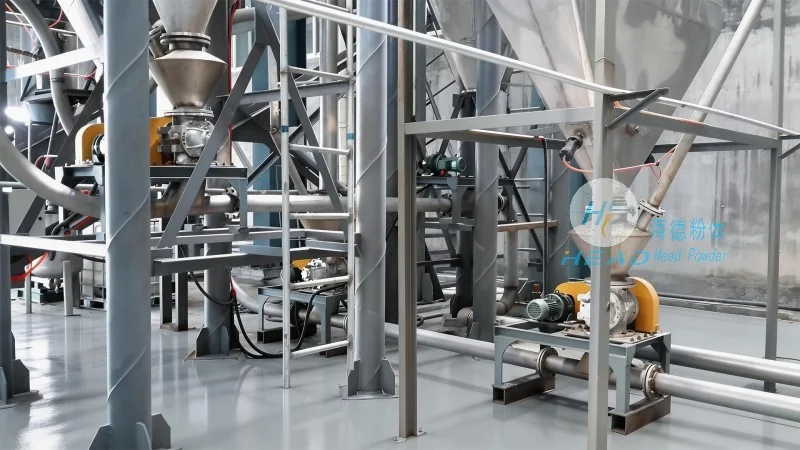
The operation process of soil powder pneumatic conveying involves several key steps. First, the soil powder is loaded into the material hopper. The hopper is equipped with a feeder that controls the flow rate of the material into the conveying line. Next, the conveying line is pressurized using a blower or compressor, creating a flow of air that moves the powder through the system. The pressure and flow rate are carefully controlled to ensure the material is transported efficiently without clogging or degradation. The material is then discharged from the receiver into the target location, such as a storage silo or processing unit. Throughout the process, the system monitors pressure and flow to maintain optimal performance and prevent issues like blockages or air leaks.
Working Principle of Pneumatic Conveying Technology
The working principle of pneumatic conveying relies on the movement of air to transport solid particles. In positive pressure systems, a blower or compressor creates a high-pressure air stream that pushes the powder through the conveying line. The air and powder mixture travels at a velocity sufficient to keep the particles suspended, preventing them from settling or clogging the line. In negative pressure systems, a vacuum pump creates a low-pressure environment that draws the powder into the system. Both systems have their advantages and are chosen based on the specific characteristics of the material and the application requirements. The efficiency of the conveying process depends on factors such as particle size, moisture content, and the design of the conveying line.
Advantages of Using Soil Powder Pneumatic Conveying Equipment
Soil powder pneumatic conveying equipment offers several advantages over traditional material handling methods. One of the primary benefits is the ability to transport materials in a closed system, which helps to prevent dust contamination and improve safety in the workplace. This is particularly important when handling fine powders like soil, which can be hazardous if released into the air. Additionally, pneumatic conveying systems are flexible and can be easily adapted to different production processes, allowing for changes in material flow rates or destinations without major modifications. The equipment also reduces labor costs by automating the material handling process, improving overall productivity. Furthermore, the closed system design helps to maintain the quality of the material, preventing moisture absorption or contamination that could affect its performance in subsequent processing steps.
Applications and Industries Served
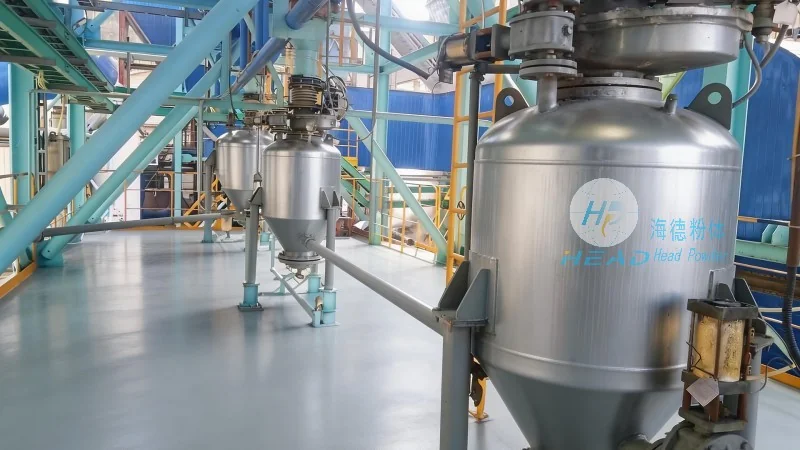
Soil powder pneumatic conveying equipment is widely used in various industries that require the handling of fine powders. In the construction industry, it is used for transporting soil from excavation sites to storage areas or processing facilities. In the agricultural sector, it helps in the transport of soil samples or fertilizer mixes. The equipment is also utilized in the chemical and pharmaceutical industries for handling powders that require strict contamination control. Additionally, it plays a role in environmental applications, such as the transport of soil for remediation projects or waste management. The versatility of the system makes it suitable for a wide range of applications, catering to the diverse needs of different industries.
Maintenance and Operational Considerations
Proper maintenance is essential to ensure the long-term performance and reliability of soil powder pneumatic conveying equipment. Regular inspections of the conveying line and components are necessary to check for signs of wear or damage. The feeder and hopper should be cleaned regularly to prevent material buildup, which can affect flow rates. The control system should be checked for proper operation, including pressure and flow monitoring. Additionally, the air filtration system should be maintained to prevent dust accumulation and ensure clean air output. Operational considerations include monitoring the system for any signs of clogging or air leaks, which can indicate issues with the material or equipment. By following proper maintenance procedures and operational guidelines, the equipment can operate efficiently and provide reliable service over its lifespan.