

Operation Process and Working Principle of Calcined Gypsum Powder Pneumatic Conveying Equipment
Calcined gypsum powder, a critical material in construction and industrial sectors, demands efficient and reliable transportation solutions to maintain seamless production workflows. Pneumatic conveying equipment, specifically engineered for calcined gypsum powder, offers a solution that combines operational efficiency with environmental advantages. This article delves into the operation process and working principle of such equipment, highlighting the expertise of Shandong HeadPowder Engineering Co., Ltd., a leading provider in the field.
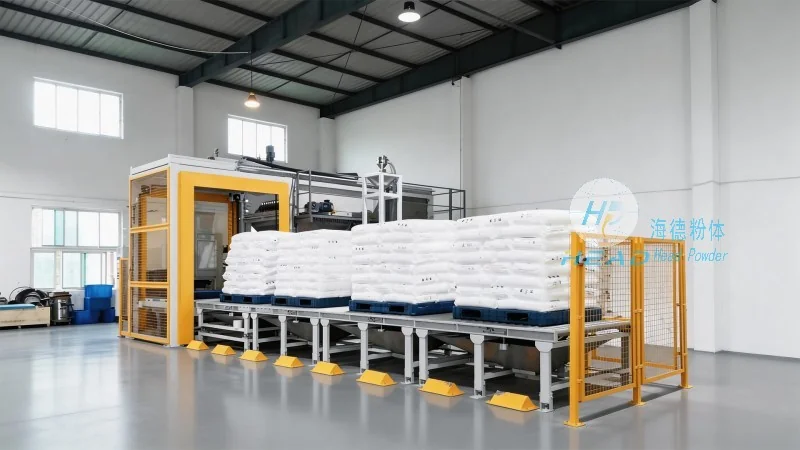
Understanding the Core Working Principle of Pneumatic Conveying Systems
Pneumatic conveying systems leverage air or gas to transport bulk materials like calcined gypsum powder through a network of pipes. The fundamental principle revolves around creating a pressure differential to move the material. Two primary system types exist: positive pressure systems, where air is blown into the system to push the material, and negative pressure (or vacuum) systems, where air is drawn out to pull the material. For calcined gypsum powder, which exhibits specific properties such as moderate density and particular flow characteristics, the system selection depends on factors like transport distance, material volume, and dust control requirements.
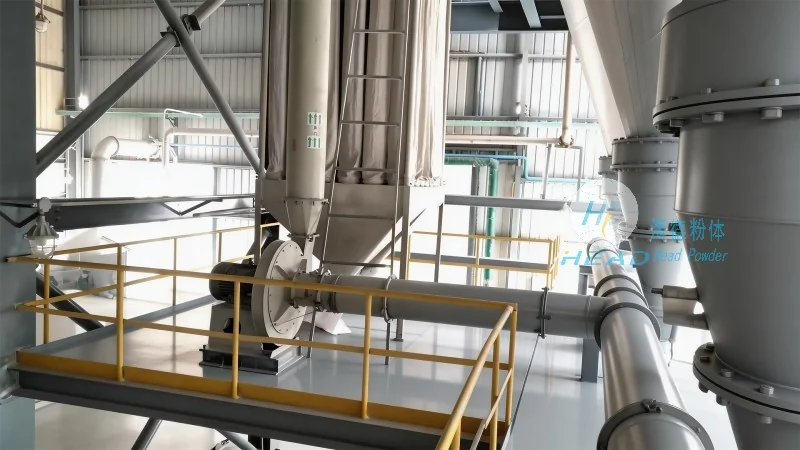
Key Components and Their Roles in the Conveying Process
Several critical components collaborate to ensure effective operation of a calcined gypsum powder pneumatic conveying system. The feed hopper serves as the initial point where the powder is introduced, designed to maintain a consistent flow rate and prevent blockages. The conveying line, typically constructed from durable materials like stainless steel or specialized alloys, is engineered to withstand the abrasive nature of calcined gypsum powder. Strategically placed components such as elbows and bends guide the powder through the system without causing excessive pressure drops or material degradation. The separator is a vital part that separates the powder from the air stream at the end of the conveying path. It uses centrifugal force or other separation mechanisms to collect the powder and return it to the process, while the air is either filtered or released, reducing dust emissions.
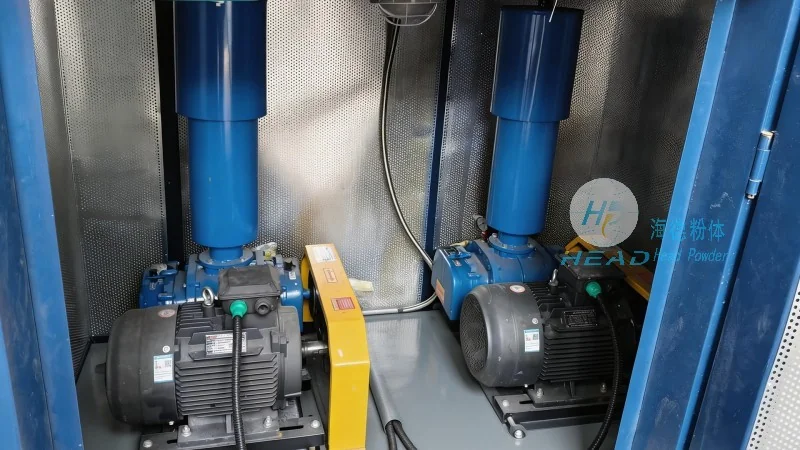
Step-by-Step Operation Process of the Equipment
The operation of a calcined gypsum powder pneumatic conveying system follows a systematic sequence. First, calcined gypsum powder is loaded into the feed hopper. The hopper is equipped with a rotary valve or other feeding mechanism that controls the flow rate, ensuring a steady supply of material. Simultaneously, the air compressor or vacuum pump initiates, generating the necessary pressure or vacuum to start the conveying process. As air moves through the conveying line, it picks up powder particles and transports them to the destination, such as a storage silo or processing unit. At the receiving end, the separator captures the powder, which is then discharged into the target container. The air, now free of powder, is either filtered and recycled or released, depending on the system design. The entire process is monitored by a control system that adjusts parameters like air pressure, flow rate, and feeding speed to maintain optimal performance and prevent issues like blockages or excessive energy consumption.
Advantages and Industrial Applications
Pneumatic conveying equipment for calcined gypsum powder offers advantages over traditional methods like bucket elevators or belt conveyors. A primary benefit is reduced dust exposure, enhancing workplace safety and environmental compliance. The system also minimizes material degradation, as the powder avoids high friction or impact during transport. Additionally, pneumatic conveying allows for flexible and compact installations, suitable for facilities with limited space. Shandong HeadPowder Engineering Co., Ltd. has developed specialized solutions tailored to calcined gypsum powder's unique properties, ensuring equipment meets the demands of various industrial applications, including construction material production, plaster manufacturing, and other processes where calcined gypsum is a key ingredient.
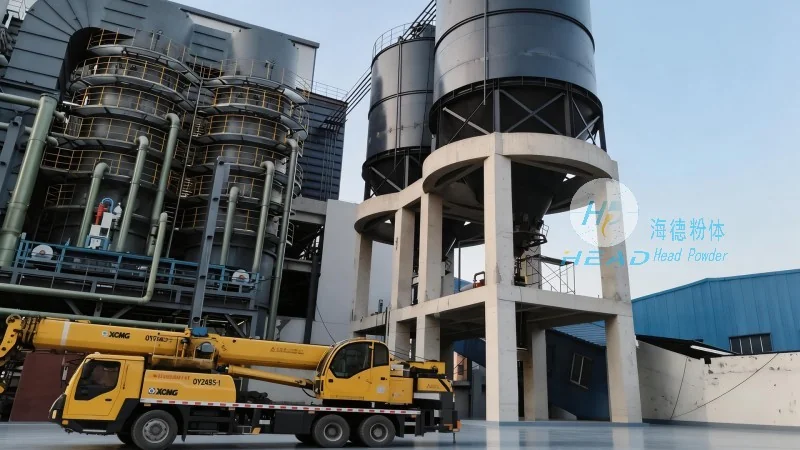
Customization and Support from Shandong HeadPowder Engineering Co., Ltd.
Shandong HeadPowder Engineering Co., Ltd. is committed to providing tailored pneumatic conveying solutions for calcined gypsum powder. The company's expertise lies in understanding the material's specific characteristics, such as particle size distribution, moisture content, and flow behavior, and designing equipment that optimizes performance. Their engineering team collaborates closely with clients to assess operational needs, site conditions, and production goals, developing customized systems that enhance efficiency and reduce costs. From initial design and manufacturing to installation and commissioning, the company offers comprehensive support to ensure reliable operation and adherence to high performance standards. With a focus on quality and customer satisfaction, Shandong HeadPowder Engineering Co., Ltd. has established itself as a trusted partner in bulk material handling, particularly for calcined gypsum powder applications.