

Operation Process and Working Principle of High-Pressure Dilute-Phase Powder Pneumatic Conveying Sys
High-pressure dilute-phase powder pneumatic conveying systems are advanced industrial equipment designed to transport bulk powder materials efficiently and reliably over long distances. These systems are widely used in various industries such as chemical, pharmaceutical, food, and cement, where the safe and effective handling of powders is critical. The operation process and working principle of these systems involve several key components and steps that ensure optimal performance and material transport.
Company Overview
Shandong HeadPowder Engineering Co., Ltd., commonly known as headpowder, is a leading manufacturer and supplier of pneumatic conveying solutions. With its headquarters located in Shandong, China, the company specializes in designing, manufacturing, and installing high-quality powder handling systems tailored to meet the specific needs of its clients. HeadPowder has built a strong reputation for delivering reliable and efficient equipment that enhances productivity and reduces operational costs in powder processing applications.
Understanding High-Pressure Dilute-Phase Pneumatic Conveying
High-pressure dilute-phase pneumatic conveying systems operate by transporting powder particles suspended in a high-velocity air stream. Unlike dense-phase systems, where particles are conveyed in a slurry-like state, dilute-phase systems maintain a low concentration of powder in the air, resulting in faster and more efficient transport. The system typically consists of a blower or compressor, a hopper for material storage, a conveying line, and a receiver for the discharged material. The key to its operation lies in the precise control of air pressure, flow rate, and particle size to ensure stable and continuous conveying.
Key Components and Their Functions
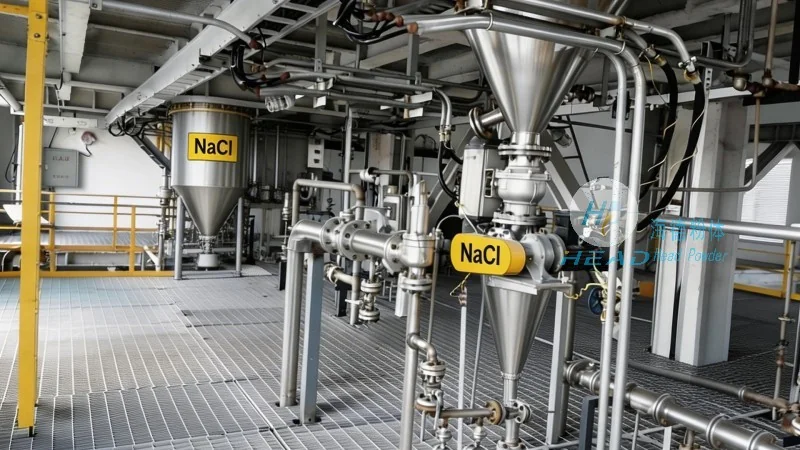
The high-pressure dilute-phase powder pneumatic conveying system comprises several essential components, each playing a crucial role in the overall operation. The blower or compressor is the primary power source, generating the necessary air pressure to move the powder particles. The hopper, often equipped with a feeder or rotary valve, provides a controlled feed of powder into the system, ensuring a consistent flow rate. The conveying line, usually made of stainless steel or other corrosion-resistant materials, transports the air-powder mixture from the hopper to the receiver. The receiver, equipped with a dust collector or filter, separates the powder from the air and collects it for further processing or storage.
The Operation Process
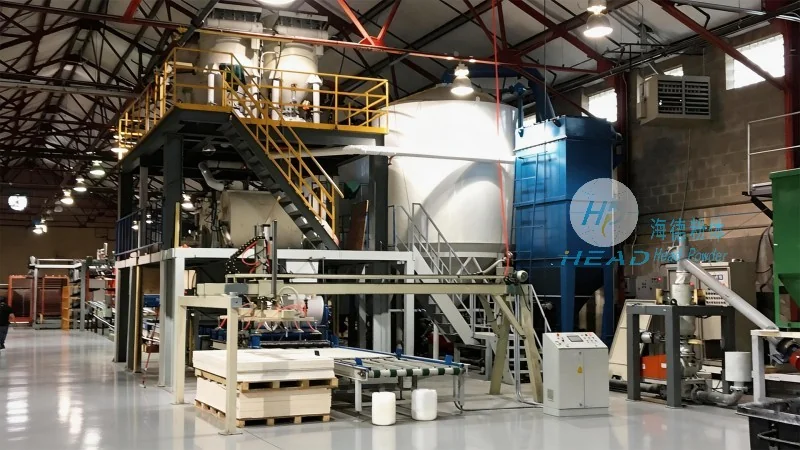
The operation of a high-pressure dilute-phase powder pneumatic conveying system begins with the loading of the hopper with the powder material. The feeder then regulates the flow of powder into the conveying line, where it is mixed with the high-velocity air from the blower. As the air-powder mixture travels through the line, the particles are kept suspended by the air flow, preventing clogging and ensuring smooth transport. The system maintains a constant pressure and flow rate to achieve consistent conveying performance. Upon reaching the receiver, the air-powder mixture is separated, with the powder collected in the receiver and the air either recirculated or discharged through a filter to prevent dust emissions.
Working Principle Explained
The working principle of high-pressure dilute-phase pneumatic conveying is based on the principle of fluidization and suspension. The high-velocity air stream creates a low-pressure environment within the conveying line, which draws the powder particles into the air stream. The air flow is designed to keep the particles in a suspended state, preventing them from settling or clogging the line. The pressure differential between the hopper and the receiver drives the material forward, ensuring efficient transport. The system's design allows for flexibility in conveying distances and material types, making it suitable for a wide range of industrial applications.
Advantages of High-Pressure Dilute-Phase Systems
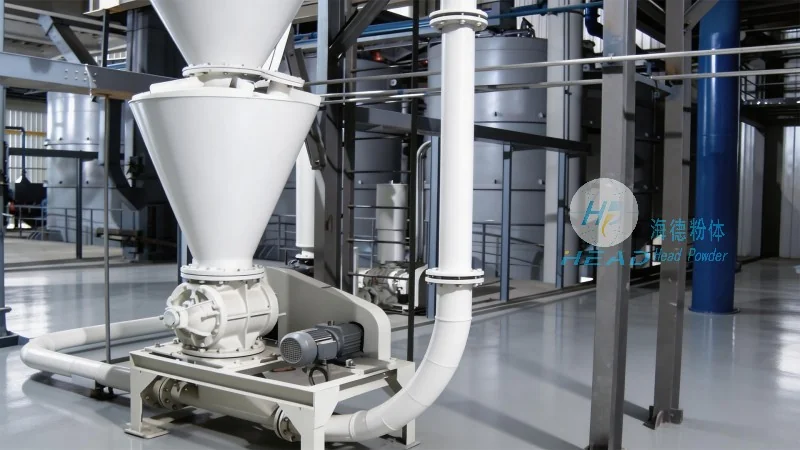
High-pressure dilute-phase powder pneumatic conveying systems offer several advantages over traditional conveying methods. These include the ability to transport materials over long distances without the need for intermediate storage or transfer points, reducing the risk of material degradation or contamination. The system is also capable of handling a wide variety of powder types, including fine, abrasive, and hygroscopic materials, without causing damage or loss. Additionally, the enclosed design of the system minimizes dust emissions and improves workplace safety, making it an environmentally friendly option for powder handling.
Applications and Industries
High-pressure dilute-phase powder pneumatic conveying systems are widely used in various industries due to their versatility and efficiency. In the chemical industry, these systems are used to transport raw materials and finished products, such as powders and granules. The pharmaceutical industry benefits from the system's ability to handle sensitive materials, ensuring product purity and quality. The food industry uses these systems for conveying ingredients like flour, sugar, and spices, maintaining hygiene and preventing cross-contamination. In the cement industry, high-pressure dilute-phase systems are used to transport raw materials and finished cement products, improving production efficiency and reducing costs.
Conclusion
High-pressure dilute-phase powder pneumatic conveying systems are essential equipment for efficient and reliable powder handling in modern industrial applications. With its advanced design and operation, the system ensures optimal performance, minimal material loss, and improved workplace safety. Shandong HeadPowder Engineering Co., Ltd. continues to innovate and provide high-quality pneumatic conveying solutions that meet the evolving needs of its clients, contributing to the growth and success of various industries worldwide.