

Operation Process and Working Principle of Pulse-Type Powder Pneumatic Conveying Lines
HeadPowder, a leading engineering firm headquartered in Shandong, China, specializes in the design, manufacturing, and installation of advanced pneumatic conveying systems. Their product line includes the pulse-type powder pneumatic conveying line, a sophisticated solution engineered for efficient and reliable bulk powder handling across various industrial sectors.
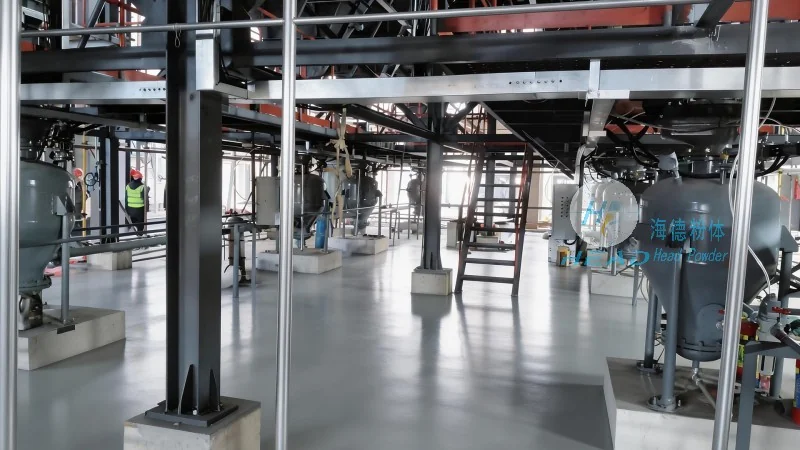
Core Components and Functional Overview
The pulse-type powder pneumatic conveying line operates by utilizing compressed air to transport powders through a pipeline network. This system is designed to handle diverse materials, including fine powders, granules, and other bulk solids, with minimal product degradation and high operational efficiency. Key components include a material hopper for storage, a pulse valve to generate air pulses, a filtration system to maintain air quality, and a control unit to regulate the conveying process. These elements work in tandem to ensure smooth and consistent material transport.
Step-by-Step Operation Process
The operation begins with the loading of the material hopper. Once the hopper is filled, the control unit activates the pulse valve, releasing short bursts of compressed air into the pipeline. These air pulses create a pressure differential that propels the powder forward through the system. The process continues until the hopper is emptied or the desired quantity is conveyed. The system is capable of continuous operation, with adjustable pulse frequency and air pressure settings to accommodate different material characteristics and conveying distances. This flexibility allows for precise control over the flow rate and ensures optimal performance under varying conditions.
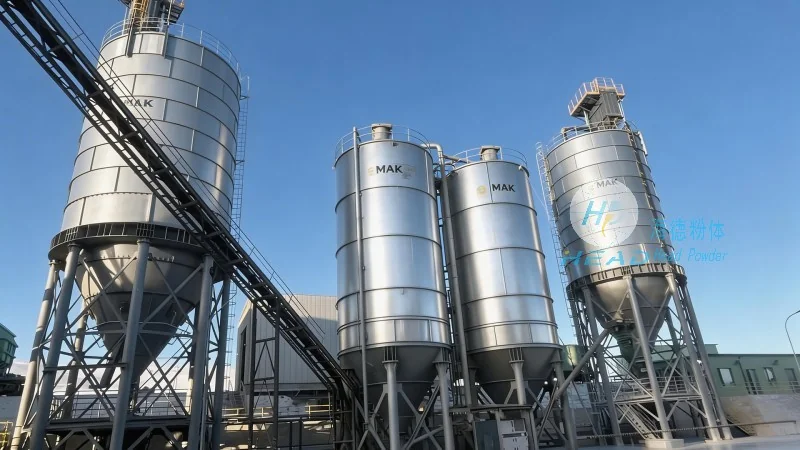
Working Principle: Air-Pulse Propulsion Mechanism
The working principle of the pulse-type system is based on the Venturi effect and the creation of a low-pressure zone within the pipeline. When the pulse valve opens, it draws air and powder from the hopper into the pipeline, forming a dense mixture known as a "slug." This slug travels through the pipeline under the pressure of the compressed air, maintaining a uniform flow. The filter system then separates the air from the powder, allowing the clean air to be recycled or discharged, while the powder is directed to the discharge point. This cycle repeats as needed, ensuring a steady and efficient transport of material without mechanical components like screws or belts.
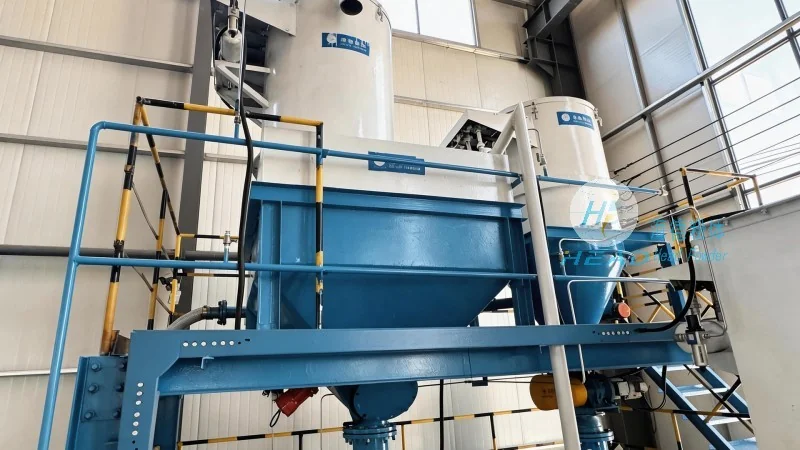
Advantages and Industrial Applications
The pulse-type powder pneumatic conveying line offers several advantages over traditional conveying methods. It minimizes product contamination, reduces maintenance costs, and provides a flexible solution for varying production demands. Industries such as pharmaceuticals, food processing, chemicals, and minerals rely on this technology to transport sensitive powders safely and efficiently. The system's ability to handle different particle sizes, moisture content, and flow rates makes it suitable for diverse applications, from small-scale laboratory use to large-scale industrial production. Its compact design and low noise operation also contribute to a safer and more comfortable working environment.
Conclusion: A Reliable Solution for Modern Powder Handling
HeadPowder's pulse-type powder pneumatic conveying line represents a cutting-edge approach to powder handling, combining advanced engineering with practical functionality. By understanding its operation process and working principles, industries can leverage this technology to enhance productivity, ensure product quality, and streamline their material transport processes. With a strong presence in Shandong, China, HeadPowder continues to innovate and provide tailored solutions for the evolving needs of the powder handling industry, delivering reliable and efficient systems that meet the highest standards of performance and safety.