

Operation Process and Working Principle of Pulse Dust Collector Powder Pneumatic Conveying Line
HeadPowder, a leading manufacturer based in Shandong, China, specializes in the design and production of advanced pulse dust collector powder pneumatic conveying lines. This article provides a detailed overview of the operation process and working principle of such systems, highlighting their efficiency and reliability in handling powder materials.
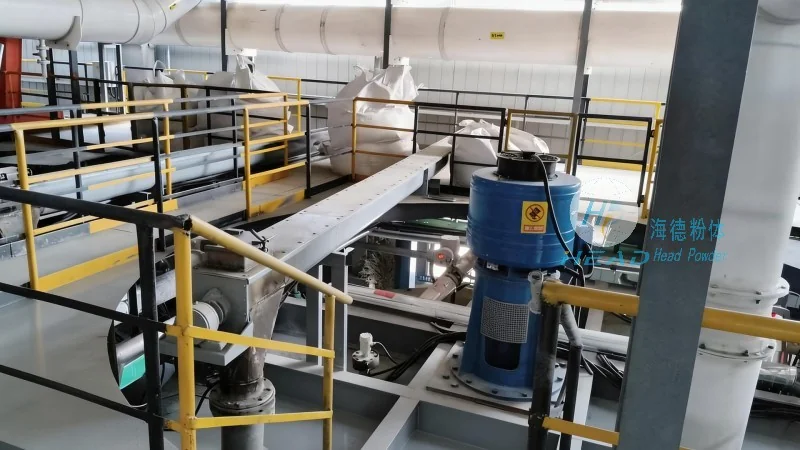
Key Components and Their Roles
The pulse dust collector powder pneumatic conveying line consists of several critical components that work in tandem to ensure smooth material transport. These include the dust collector, pneumatic conveying pipes, pulse valves, and control systems. Each component plays a vital role in maintaining the system's performance and preventing material blockages.
Operation Process: Step-by-Step Overview
The operation of the pulse dust collector powder pneumatic conveying line involves a series of controlled steps to transport powder from the source to the destination. The process begins with the material being fed into the dust collector, where it is separated from air and other contaminants. The purified air then passes through the conveying pipes, while the collected powder is stored in the dust collector's hopper.
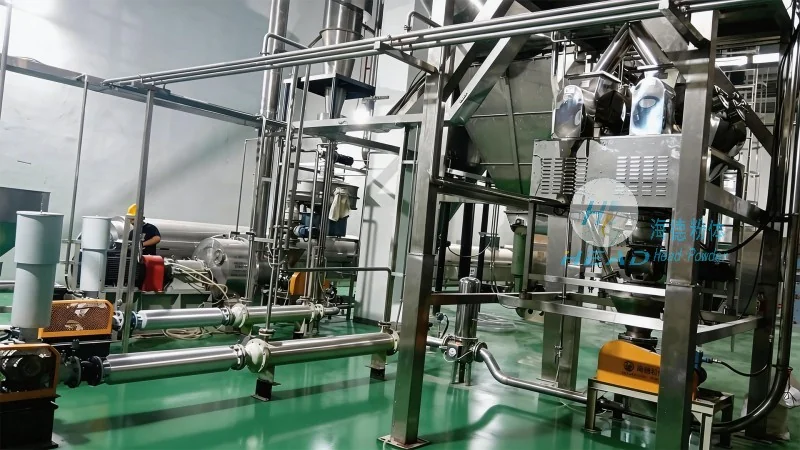
Next, the system initiates the pneumatic conveying phase. The pulse valves, controlled by a timer or pressure sensor, periodically inject high-pressure air into the conveying line. This creates a pressure differential that propels the powder particles through the pipes. The powder is then discharged at the receiving end, where it is collected in a storage bin or processing equipment.
Working Principle: How It Ensures Efficient Material Transport
The working principle of the pulse dust collector powder pneumatic conveying line is based on the principles of fluid dynamics and particle movement. The system uses compressed air as the driving force to move the powder particles. The pulse valves are designed to deliver short bursts of high-pressure air, which create a "pulsing" effect that prevents the powder from settling or clogging in the pipes. This pulsing action ensures that the powder remains suspended in the air stream, allowing for consistent and reliable transport.
Additionally, the dust collector plays a crucial role in maintaining the system's efficiency. It captures any fine particles that may escape during the conveying process, preventing them from being released into the environment. The collected dust is then discharged into a waste container, ensuring compliance with environmental regulations.
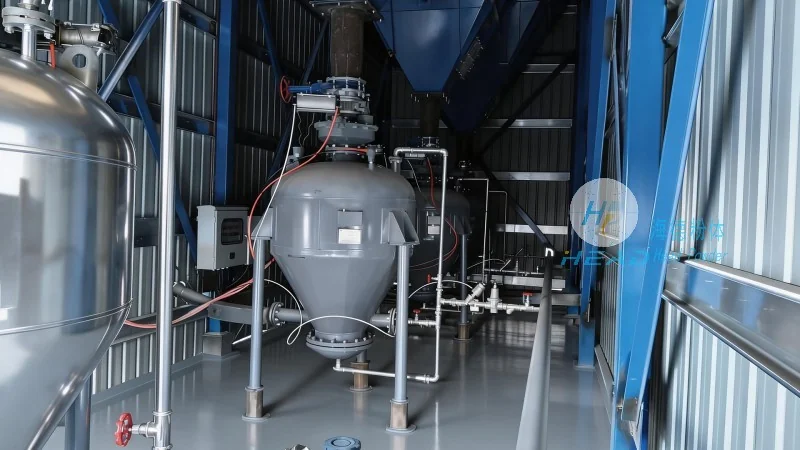
Advantages of Pulse Dust Collector Powder Pneumatic Conveying Lines
HeadPowder's pulse dust collector powder pneumatic conveying lines offer several advantages over traditional conveying methods. These include high efficiency in material transport, reduced energy consumption, and minimal maintenance requirements. The system is also designed to handle a wide range of powder materials, from fine powders to bulk materials, with consistent performance.
Furthermore, the pulse technology used in these systems provides excellent control over the conveying process. The ability to adjust the pulse frequency and pressure allows for precise control of the material flow rate, ensuring that the system operates at optimal efficiency. This flexibility makes the pulse dust collector powder pneumatic conveying line suitable for various industrial applications, including pharmaceuticals, food processing, and chemical manufacturing.