

Operation Process and Working Principle of Hot Dry Ash Powder Pneumatic Conveying Line
Hot dry ash, a byproduct of coal combustion in thermal power plants, requires specialized handling due to its high temperature and fine particle characteristics. The hot dry ash powder pneumatic conveying line is a critical system designed to transport this material safely and efficiently. This article explores the operation process and working principle of such a system, detailing key components, operational steps, and technical advantages.
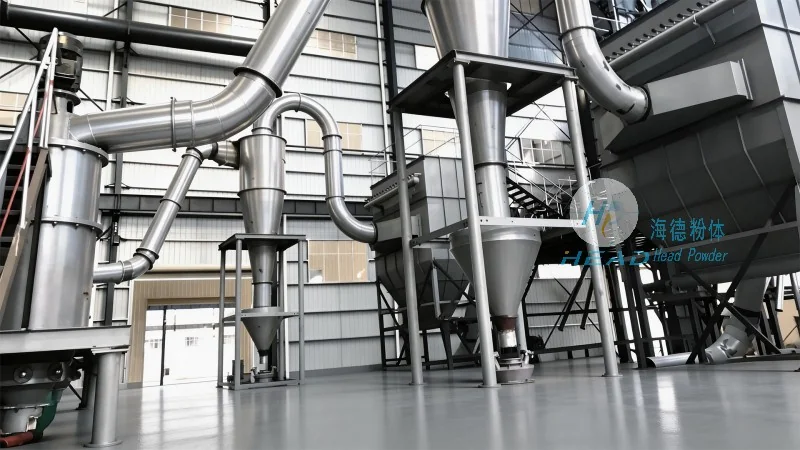
Introduction to Hot Dry Ash Powder Pneumatic Conveying Line
Hot dry ash is produced during the combustion process in power plant boilers, containing fine particles that pose challenges for traditional handling methods. The pneumatic conveying line addresses these challenges by utilizing air as the conveying medium, enabling the transport of hot ash from collection points to storage or disposal facilities. Compared to conventional methods like trucks or mechanical conveyors, this system offers advantages such as reduced labor costs, improved safety, and lower environmental impact due to minimized dust dispersion.
Company Profile: Shandong HeadPowder Engineering Co., Ltd.
HeadPowder, formally known as Shandong HeadPowder Engineering Co., Ltd., is a leading manufacturer and supplier of industrial conveying systems. Headquartered in Shandong, China, the company specializes in designing and installing customized pneumatic conveying solutions tailored to the needs of power plants and other industrial sectors. With a focus on innovation and quality, HeadPowder has established expertise in handling high-temperature materials like hot dry ash, ensuring systems meet stringent efficiency and safety standards. The company's commitment to client satisfaction and technical excellence positions it as a trusted partner in industrial material handling.
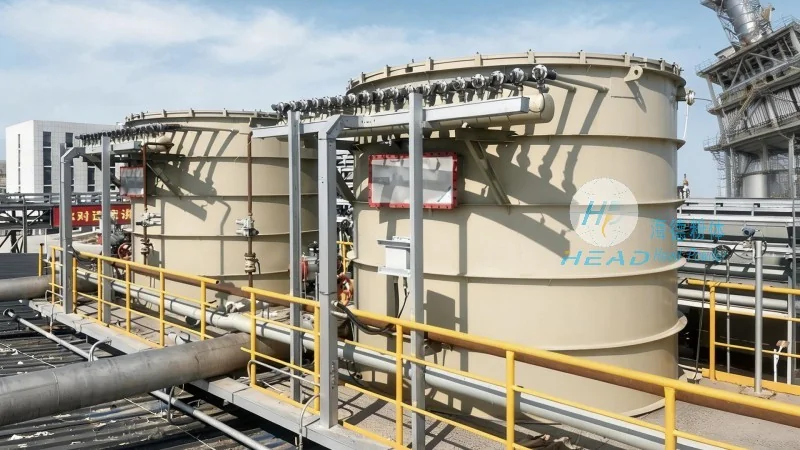
Key Components of the Pneumatic Conveying System
The hot dry ash powder pneumatic conveying line comprises several interdependent components that ensure reliable operation. These include the ash collection hopper, which temporarily stores the ash; a feeder that regulates the material flow into the pipeline; a conveying pipeline (typically made of corrosion-resistant materials like stainless steel); an air compressor or vacuum pump that generates the necessary pressure or vacuum; a control system for monitoring and adjusting operational parameters; and dust collection equipment to capture any airborne particles. Each component is critical to the system's overall performance and safety.
Operation Process of the System
The operation process begins with the collection of hot dry ash from the boiler's ash hopper. The ash is transferred to the collection hopper, where it is stored until processing. The feeder then meters the ash into the conveying pipeline at a controlled rate. The air compressor or vacuum pump initiates the conveying process by creating a pressure differential that propels the ash particles through the pipeline. The control system continuously monitors parameters such as flow rate, pressure, and temperature, adjusting the system to maintain optimal performance. The ash is then delivered to the designated storage or disposal facility, completing the transport cycle.
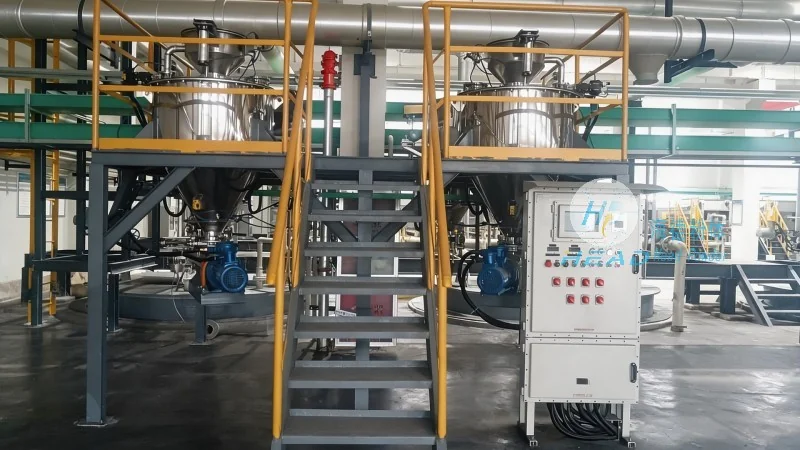
Working Principle of Pneumatic Conveying
The working principle of the hot dry ash powder pneumatic conveying line is based on the suspension and transport of particles using an air stream. Two primary types of systems are used: positive pressure and negative pressure. In positive pressure systems, an air compressor injects high-pressure air into the pipeline, pushing the ash particles forward. In negative pressure systems, a vacuum pump creates a vacuum that draws the ash particles into the system. The hot dry ash system often employs a hybrid approach, combining both methods for enhanced efficiency. The air velocity and particle size determine the conveying efficiency, with particles suspended in the air stream and transported through the pipeline. The system's design ensures that the ash remains in a suspended state throughout the conveying process, minimizing blockages and ensuring smooth operation.
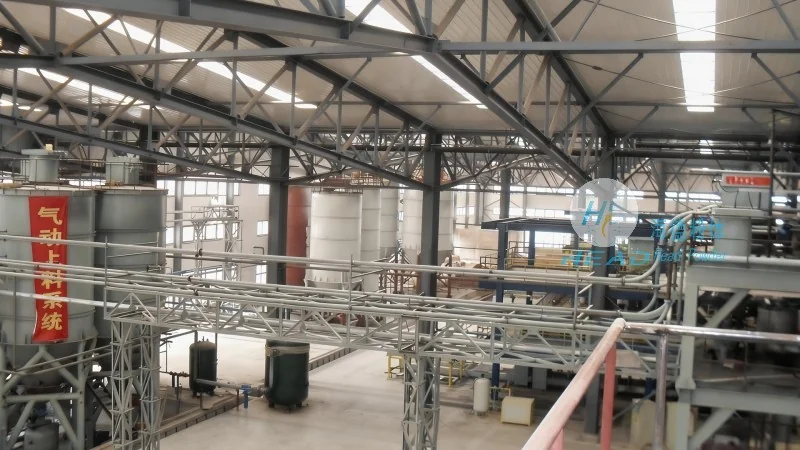
Advantages of the Hot Dry Ash Powder Pneumatic Conveying Line
Several key advantages distinguish the hot dry ash powder pneumatic conveying line. First, it offers high efficiency in transporting large volumes of ash with minimal loss or contamination. Second, automation reduces labor costs and eliminates the need for manual handling of hot and dusty materials, enhancing worker safety. Third, the system improves environmental compliance by significantly reducing dust emissions and preventing ash particle spread. Fourth, it provides flexibility for customization, allowing adaptation to different power plant layouts and ash characteristics. Finally, the system's reliability and durability ensure long-term operation with minimal downtime, contributing to overall plant efficiency.
Application and Maintenance
The hot dry ash powder pneumatic conveying line is widely utilized in thermal power plants to handle the substantial volumes of ash produced during coal combustion. The system is engineered to withstand high temperatures and continuous operation, making it suitable for industrial-scale applications. Regular maintenance is essential to sustain performance and safety. This includes routine checks of the air compressor or vacuum pump, inspection of the conveying pipeline for leaks or blockages, and cleaning of the dust collection equipment. Proper maintenance practices can extend the system's lifespan, reduce operational costs, and ensure consistent performance, supporting the power plant's operational goals and environmental responsibilities.