

Operation Process and Working Principle of Lime Powder Pneumatic Conveying Lines
Understanding the operation process and working principle of lime powder pneumatic conveying lines is crucial for optimizing material handling efficiency in industrial applications. This article provides a detailed overview of how these systems function, emphasizing the technical aspects and practical considerations for effective operation.
Introduction to Lime Powder Pneumatic Conveying Systems
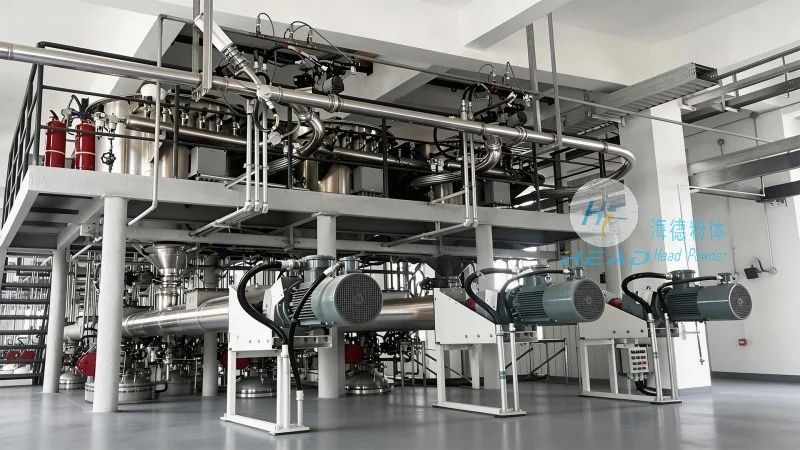
Lime powder, a widely used industrial material in sectors such as construction, chemical processing, and environmental treatment, requires reliable and efficient transport solutions. Pneumatic conveying lines offer a flexible and effective method for moving fine powders like lime over short to medium distances. The system typically consists of a series of components including a hopper, feeder, air compressor, pipeline, and receiver, all working in concert to ensure smooth material transfer.
Key Components and Their Roles
The performance of a lime powder pneumatic conveying line depends on the proper integration and operation of its core components. The hopper serves as the storage and feeding unit, where the lime powder is held under controlled conditions to prevent caking or segregation. The feeder, often a rotary valve or screw feeder, regulates the flow rate of the material into the pipeline, ensuring a consistent and controlled discharge. The air compressor generates the necessary air pressure to create the conveying air stream, which propels the lime powder particles through the pipeline. The pipeline itself is designed with appropriate diameter and material to minimize pressure drop and prevent particle degradation. Finally, the receiver collects the conveyed lime powder, allowing for safe and efficient discharge.
Working Principle of Pneumatic Conveying
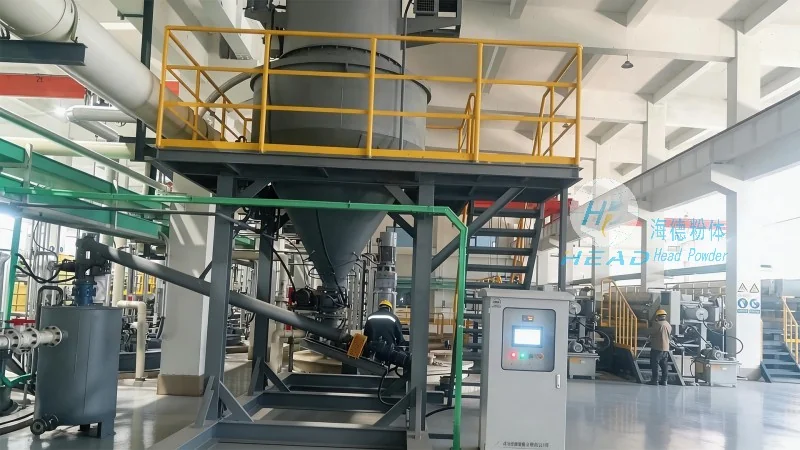
The working principle of a lime powder pneumatic conveying line is based on the use of compressed air to transport the material. When the feeder releases the lime powder into the pipeline, the compressed air from the compressor is introduced, creating a high-velocity air stream. This air stream entrains the powder particles, forming a suspension that moves through the pipeline. The velocity of the air stream must be sufficient to overcome the gravitational forces and frictional losses in the system, ensuring that the powder particles remain suspended and are transported to the receiver. The pressure and flow rate of the air are critical parameters that determine the conveying capacity and efficiency of the system.
Operation Process of the System
The operation process of a lime powder pneumatic conveying line involves several sequential steps. First, the hopper is filled with lime powder, and the system is prepared for operation. The air compressor is started, and the feeder is activated to begin the material flow. The compressed air is then introduced into the pipeline, creating the conveying air stream. As the lime powder is fed into the system, it is entrained by the air and transported to the receiver. The receiver collects the material, and the process continues until the desired amount of lime powder has been conveyed. The system can be controlled manually or automatically, with sensors and controls monitoring parameters such as pressure, flow rate, and material level to ensure optimal operation.
Factors Affecting System Performance
Several factors influence the performance of a lime powder pneumatic conveying line. The particle size and density of the lime powder affect the conveying velocity and pressure drop. Coarser particles may require higher air velocities to maintain suspension, while finer particles can be conveyed at lower velocities but may be more susceptible to caking or segregation. The pipeline length and layout also impact the system's performance, as longer pipelines increase pressure losses and may require additional air boosters or larger compressors. The design of the hopper and feeder is critical to prevent material buildup and ensure consistent feeding. Additionally, the air compressor's capacity and pressure must be matched to the system's requirements to avoid under- or over-conveying.
Applications and Benefits
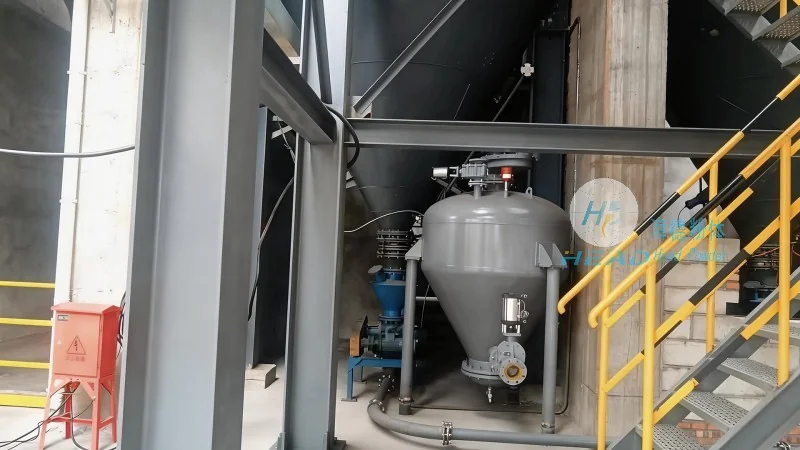
Lime powder pneumatic conveying lines are widely used in various industrial applications due to their flexibility and efficiency. They are commonly employed in the construction industry for transporting lime used in mortar and concrete production. In chemical processing, they facilitate the handling of lime in processes such as flue gas desulfurization and water treatment. The benefits of these systems include reduced material handling costs, improved safety by minimizing manual handling, and increased operational efficiency. Additionally, pneumatic conveying lines can handle materials that are difficult to transport by other methods, such as dusty or hazardous powders, making them a preferred choice in many industrial settings.
Conclusion
In conclusion, the operation process and working principle of lime powder pneumatic conveying lines involve a coordinated system of components working together to efficiently transport fine powders. The proper design and operation of these systems are essential for maximizing material handling efficiency and ensuring safe and reliable operation. By understanding the key components, working principles, and factors affecting performance, industrial operators can optimize their lime powder conveying systems to meet their specific needs. Shandong HeadPowder Engineering Co., Ltd., a leading provider of material handling solutions, specializes in designing and manufacturing high-quality pneumatic conveying systems tailored to the unique requirements of industrial applications.