

Operation Process and Working Principle of White Ash Powder Pneumatic Conveying Machine
Shandong HeadPowder Engineering Co., Ltd. specializes in the design, manufacturing, and supply of advanced pneumatic conveying equipment tailored for handling white ash powders. Our systems are engineered to ensure efficient, reliable, and safe material transport in industrial applications. The white ash powder pneumatic conveying machine is a critical component in many processing facilities, enabling the seamless movement of fine powders from storage to processing units.
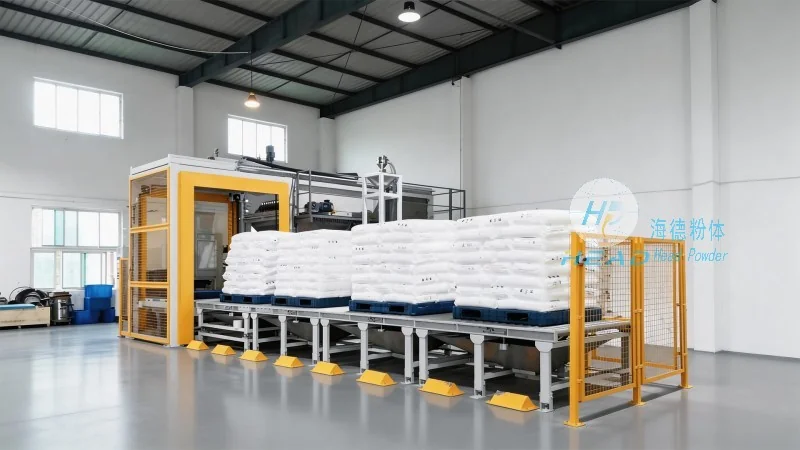
Overview of the Pneumatic Conveying Machine
At the core of the white ash powder pneumatic conveying system is a device that utilizes air pressure to transport dry powders like white ash. This technology offers significant advantages over traditional mechanical conveying methods, including reduced maintenance, lower risk of product contamination, and the ability to handle materials in a closed system, minimizing dust emissions and environmental impact. The system typically consists of several key components, including a hopper for material storage, a blower or compressor to generate the air flow, a pipeline network to direct the material, and a discharge point for the processed powder.
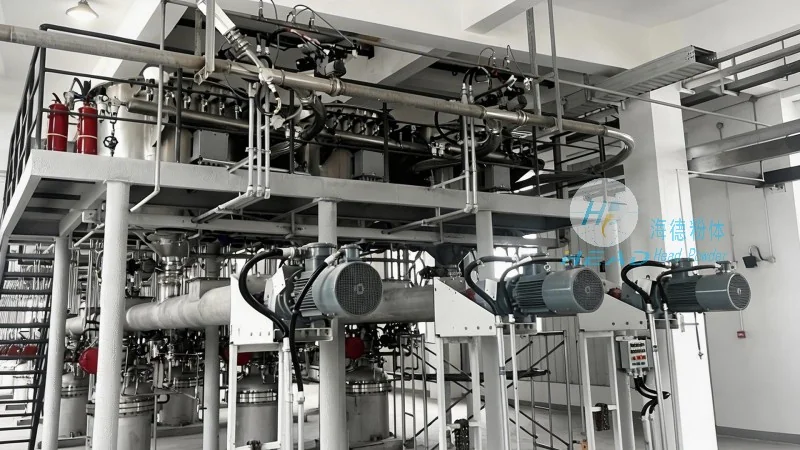
Step-by-Step Operation Process
The operation of the white ash powder pneumatic conveying machine follows a systematic sequence to ensure optimal performance. Initially, white ash powder is fed into the hopper from a storage silo or bag. The material then flows into the conveying line under the influence of the air pressure generated by the blower. As the air moves through the pipeline, it carries the white ash particles along, creating a dense phase or dilute phase flow depending on the system design. The conveying process continues until the material reaches the discharge point, where it is collected in a receiving container or directly into the next processing stage. Throughout this process, the system maintains consistent air pressure and flow rates to prevent blockages and ensure uniform material transport.
Working Principle of the Pneumatic Conveying System
The working principle of the white ash powder pneumatic conveying machine is based on the fundamental physics of fluid dynamics and particle transport. The system operates by creating a pressure differential between the inlet and outlet of the conveying line. The blower or compressor supplies compressed air, which enters the hopper and mixes with the white ash powder, forming a slurry-like mixture. This mixture is then propelled through the pipeline by the air flow. The velocity of the air and the size of the white ash particles determine the type of flow—either dense phase, where particles are closely packed and move in a plug flow, or dilute phase, where particles are suspended in the air stream. The system's efficiency is influenced by factors such as air pressure, flow rate, and the particle size distribution of the white ash. Proper design and maintenance of the components, including the hopper, blower, and pipeline, are crucial to maintaining the system's performance and preventing issues like clogging or air leakage.
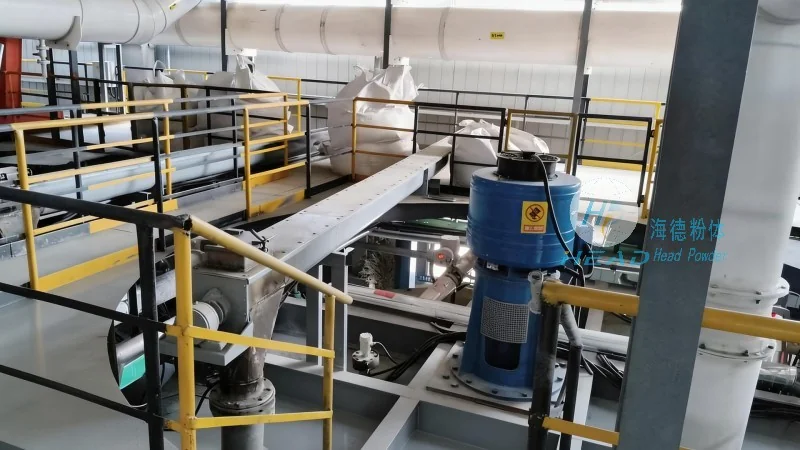
Key Components and Their Functions
Several critical components work together to ensure the smooth operation of the white ash powder pneumatic conveying machine. The hopper serves as the storage and feeding unit, holding the white ash powder and providing a controlled feed into the conveying line. The blower or compressor is the power source, generating the necessary air pressure and flow to transport the material. The pipeline network, typically made of stainless steel or other corrosion-resistant materials, carries the air and white ash mixture from the hopper to the discharge point. The pipeline design, including bends and fittings, is optimized to minimize pressure loss and prevent material deposition. The discharge point, often equipped with a filter or separator, collects the white ash powder and may include a dust collection system to comply with environmental regulations. Each component plays a vital role in the overall efficiency and reliability of the system.