

Operation Process and Working Principle of Lithium Fluoride Powder Pneumatic Conveying Machine
Understanding the operation process and working principle of a lithium fluoride powder pneumatic conveying machine is crucial for optimizing material handling in industrial applications. This equipment is specifically designed to transport lithium fluoride powder efficiently and safely, leveraging pneumatic technology to overcome the challenges associated with handling fine powders. The following sections provide a detailed breakdown of how such a machine operates and the underlying principles that enable its functionality.
Introduction to Lithium Fluoride Powder Pneumatic Conveying
Lithium fluoride (LiF) is a widely used chemical compound in various industries, including pharmaceuticals, electronics, and ceramics. Its fine powder form requires specialized handling equipment to ensure minimal loss, contamination, and dust generation. Pneumatic conveying systems offer a solution by using air or other gases to move the powder through a pipeline network. The HeadPowder Engineering Co., Ltd., a leading manufacturer based in Shandong, China, specializes in developing advanced pneumatic conveying solutions tailored to the unique properties of lithium fluoride and other fine powders.
Key Components of a Lithium Fluoride Powder Pneumatic Conveying System
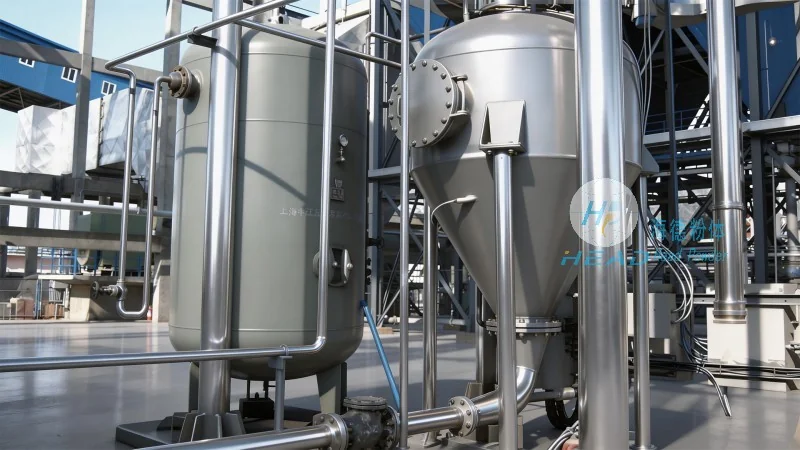
The lithium fluoride powder pneumatic conveying machine consists of several critical components that work in tandem to ensure smooth operation. These include the hopper, feeder, air compressor, conveying line, and receiver. The hopper serves as the storage container for the lithium fluoride powder, providing a consistent feed to the system. The feeder, typically a rotary valve or screw feeder, regulates the flow of powder into the conveying line, preventing overfilling and maintaining a steady supply. The air compressor generates the necessary pressure and airflow to move the powder particles through the pipeline. The conveying line, often made of stainless steel or other corrosion-resistant materials, transports the powder from the feeder to the receiver. The receiver collects the delivered powder and may include a dust collection system to ensure environmental compliance.
The Working Principle: How the Machine Transports Lithium Fluoride Powder
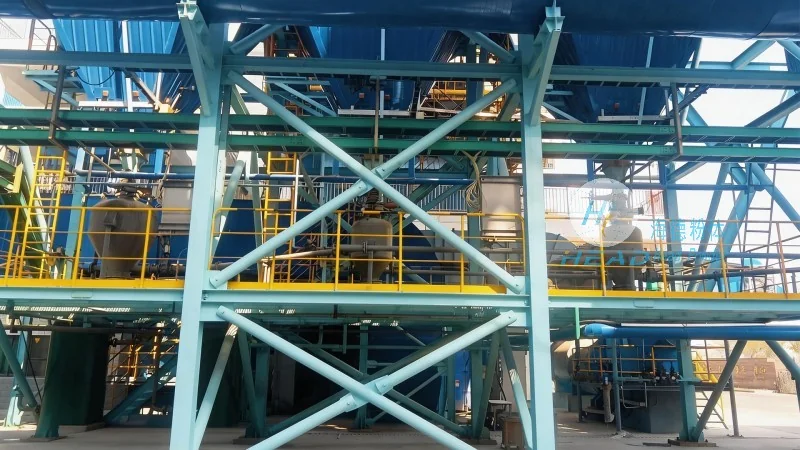
The operation of a lithium fluoride powder pneumatic conveying machine is based on the principle of pneumatic transport, where the powder is suspended in a stream of air and carried through the pipeline. The process begins with the powder being fed from the hopper into the conveying line. As the air compressor supplies high-pressure air, the air flows through the line, creating a low-pressure zone at the feeder. This pressure differential draws the powder particles into the air stream, forming a slurry of powder and air. The mixture travels through the conveying line at a velocity sufficient to keep the particles suspended, preventing them from settling or clogging the pipeline. The receiver, located at the end of the line, captures the powder as the air is filtered and discharged, typically through a dust collector to prevent airborne contamination.
Operation Process: Step-by-Step Execution
The operation of the lithium fluoride powder pneumatic conveying machine follows a systematic process to ensure efficient and reliable material transport. The steps include: 1. Preparing the system: Ensuring all components are properly installed, connected, and cleaned to prevent contamination. 2. Starting the air compressor: Activating the compressor to generate the required airflow and pressure. 3. Initiating the feeder: Opening the rotary valve or adjusting the screw feeder to start the powder flow. 4. Monitoring the conveying process: Observing the pressure and flow indicators to ensure the system is operating within optimal parameters. 5. Receiving the material: Collecting the delivered lithium fluoride powder in the receiver. 6. Shutting down the system: Turning off the compressor and feeder when the transport is complete, followed by cleaning procedures to maintain equipment integrity.
Advantages of Using a Lithium Fluoride Powder Pneumatic Conveying Machine
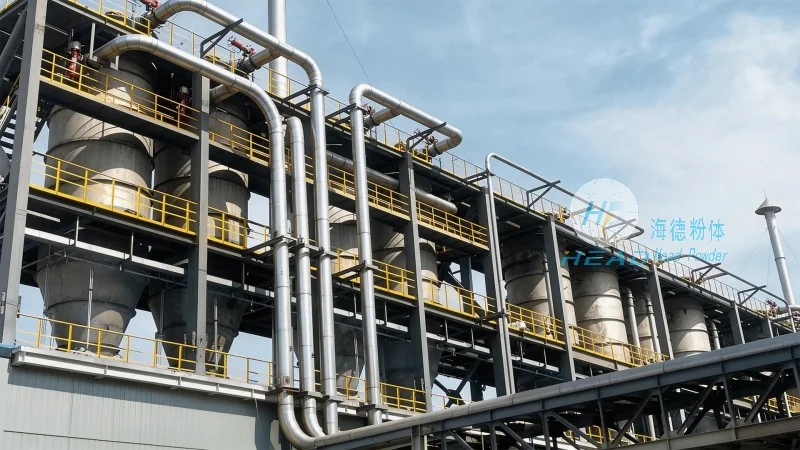
Implementing a pneumatic conveying system for lithium fluoride powder offers several advantages over traditional methods like bucket elevators or belt conveyors. These benefits include: 1. Reduced dust generation: The enclosed system minimizes the release of fine powder into the environment, improving workplace safety and compliance with environmental regulations. 2. Increased efficiency: Pneumatic transport allows for continuous, high-volume material handling with minimal downtime. 3. Lower maintenance costs: The absence of moving parts in the conveying line reduces wear and tear, leading to lower maintenance expenses. 4. Flexibility in layout: The system can be easily reconfigured or expanded to accommodate changes in production needs or facility layout. 5. Improved product quality: The enclosed environment prevents contamination from external sources, ensuring the lithium fluoride powder remains pure and consistent.
Applications and Industries
Lithium fluoride powder pneumatic conveying machines are widely used in various industries where fine powders need to be transported efficiently. Key applications include: 1. Pharmaceutical manufacturing: Transporting lithium fluoride for use in drug formulations and research. 2. Electronics production: Handling lithium fluoride in the production of semiconductor components and batteries. 3. Ceramic and glass manufacturing: Using lithium fluoride as an additive in the production of specialized ceramics and glass products. 4. Chemical processing: Conveying lithium fluoride in chemical synthesis and processing operations. The HeadPowder Engineering Co., Ltd. provides customized solutions for these industries, ensuring that the conveying systems meet specific operational requirements and safety standards.