

Operation Process and Working Principle of Gypsum Powder Pneumatic Conveying Machine
HeadPowder, a leading manufacturer based in Shandong, China, specializes in the design and production of advanced pneumatic conveying systems for handling gypsum powder. This article delves into the operational process and underlying principles of such machines, providing a comprehensive overview for industry professionals and potential clients.
Key Components and Their Functions
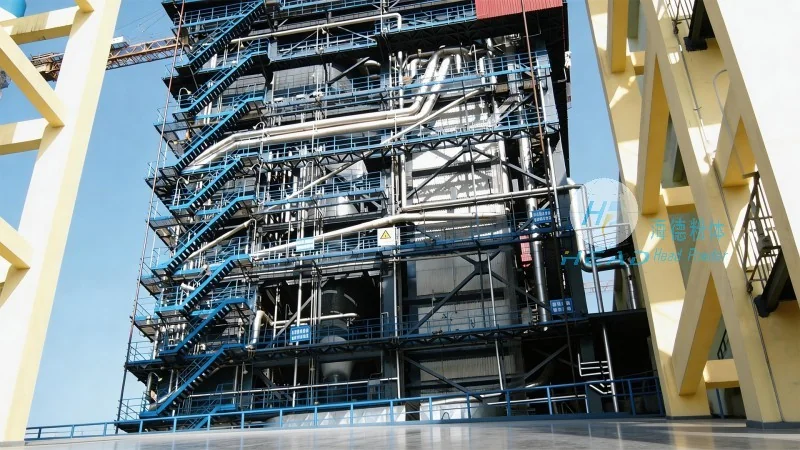
The gypsum powder pneumatic conveying machine typically consists of several critical components that work in tandem to ensure efficient material transport. These include the hopper for material storage, the air compressor or blower that generates the conveying air, the pipeline system for transporting the powder, and the control unit that regulates the entire process. Each component plays a vital role in maintaining the stability and efficiency of the system.
Working Principle of Pneumatic Conveying
The fundamental principle of pneumatic conveying is the use of air to move particulate materials through a pipeline. In the case of gypsum powder, the machine operates by first feeding the powder into the hopper. The air compressor then generates a flow of air, which is introduced into the pipeline at a specific pressure and velocity. As the air flows through the pipeline, it lifts and transports the gypsum powder particles, carrying them from the source to the destination. The process relies on the balance between air pressure, particle size, and flow rate to achieve optimal conveying performance.
Operation Process: Step-by-Step Overview
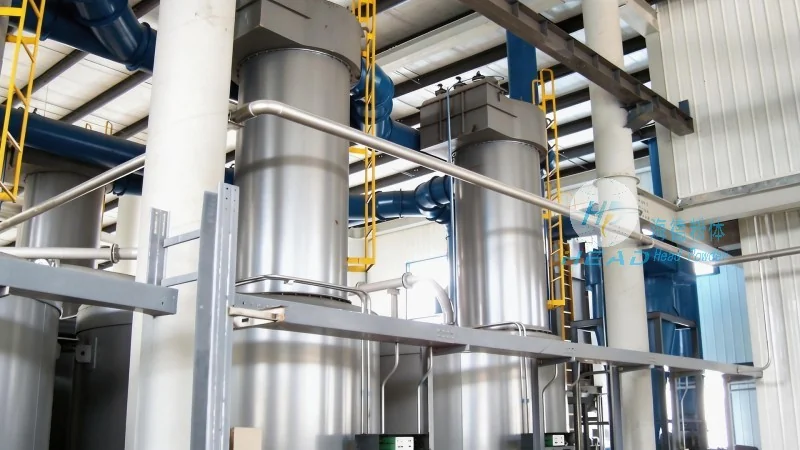
The operation of a gypsum powder pneumatic conveying machine follows a systematic sequence to ensure smooth material handling. The process begins with the loading of gypsum powder into the hopper. Once the hopper is filled, the air compressor is activated, and the conveying air is introduced into the system. The control unit monitors the pressure and flow parameters, adjusting them as needed to maintain consistent material transport. The powder is then conveyed through the pipeline to the discharge point, where it is collected in a storage or processing unit. After the conveying operation is complete, the system is shut down, and the pipeline is cleared of any residual powder to prevent clogging or contamination.
Advantages of Gypsum Powder Pneumatic Conveying Systems
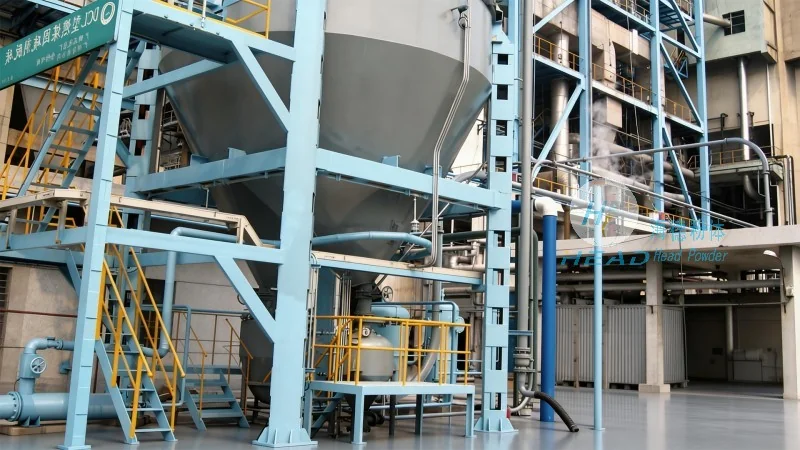
Implementing a pneumatic conveying system for gypsum powder offers several advantages over traditional methods such as belt conveyors or manual handling. These systems provide a closed-loop operation, which minimizes dust emissions and improves workplace safety. They also offer higher efficiency in terms of material transport speed and reduced energy consumption compared to mechanical conveyors. Additionally, the flexibility of pneumatic systems allows for easy integration with existing production lines and the ability to handle varying powder quantities without significant adjustments.
Maintenance and Operational Considerations
To ensure the long-term reliability and performance of gypsum powder pneumatic conveying machines, regular maintenance is essential. This includes checking the air compressor for proper operation, inspecting the pipeline for any signs of wear or blockages, and cleaning the hopper and discharge area to prevent powder buildup. Proper maintenance not only extends the lifespan of the equipment but also ensures consistent conveying performance and reduces downtime. Additionally, operators should be trained on the proper operation and safety protocols to prevent accidents and maintain the integrity of the system.