

Inert Gas Circulation Pneumatic Conveying Operation Process and Working Principle
Shandong HeadPowder Engineering Co., Ltd., commonly known as HeadPowder, is a professional manufacturer and supplier based in Shandong, China. The company specializes in the design, development, and production of advanced pneumatic conveying systems, particularly those utilizing inert gas circulation for material transport. This article provides a detailed overview of the operation process and working principles of inert gas circulation pneumatic conveying systems, highlighting the technical aspects and practical applications of this efficient material handling solution.
Introduction to Inert Gas Circulation Pneumatic Conveying
Inert gas circulation pneumatic conveying is a sophisticated method used to transport bulk materials through a pipeline system using a carrier gas, typically an inert gas like nitrogen or carbon dioxide. This technology is widely adopted in industries such as pharmaceuticals, food processing, and chemical manufacturing due to its ability to maintain product purity, prevent contamination, and ensure safe material handling. The system operates by creating a low-pressure or high-pressure environment within the pipeline, where the inert gas circulates and carries the material particles from the source to the destination. HeadPowder's expertise in this field ensures that their systems are tailored to meet the specific requirements of various industrial applications, offering reliable and efficient material transport solutions.
Key Components of the Inert Gas Circulation System
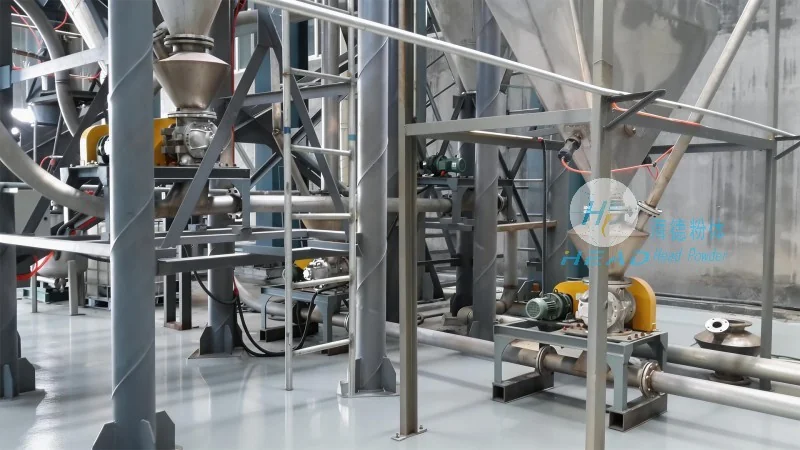
The inert gas circulation pneumatic conveying system consists of several critical components that work in tandem to achieve effective material transport. These components include the material feeder, the gas source and circulation unit, the conveying pipeline, the control system, and the receiving hopper. The material feeder is responsible for feeding the bulk material into the system, ensuring a consistent flow rate. The gas source and circulation unit provides the inert gas, which is then circulated through the pipeline to create the necessary pressure differential. The conveying pipeline is designed to handle the material and gas mixture, with appropriate fittings and valves to control the flow. The control system monitors and regulates the operation of the system, ensuring optimal performance and safety. The receiving hopper collects the material at the end of the conveying process. Each component is carefully engineered to ensure the system operates efficiently and reliably, minimizing downtime and maximizing productivity.
Operation Process of Inert Gas Circulation Pneumatic Conveying
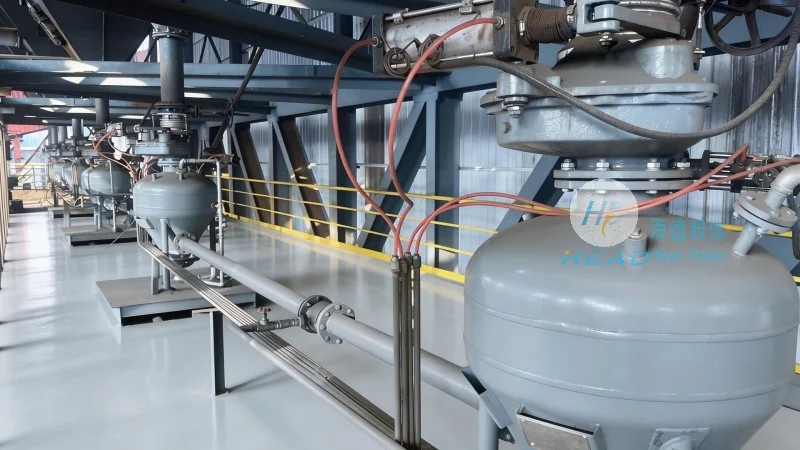
The operation process of an inert gas circulation pneumatic conveying system involves several sequential steps. Initially, the bulk material is fed into the system through the material feeder. Simultaneously, the inert gas is supplied from the gas source and circulated through the pipeline. The gas creates a pressure differential between the source and the destination, which propels the material particles along the pipeline. As the material travels through the system, it may encounter various components such as bends, valves, and filters, which help to maintain the flow and prevent blockages. The material is then discharged into the receiving hopper at the end of the pipeline. The system continuously monitors the pressure and flow rates to ensure that the material is transported efficiently and safely. HeadPowder's systems are designed to handle a wide range of materials, including powders, granules, and fine particles, with varying flow rates and particle sizes. The operation process is automated and controlled by the system's control unit, which adjusts the gas flow and pressure as needed to maintain optimal performance.
Working Principles of Inert Gas Circulation Pneumatic Conveying
The working principle of inert gas circulation pneumatic conveying is based on the principles of fluid dynamics and gas-solid two-phase flow. The system operates by creating a negative pressure or positive pressure environment within the pipeline, depending on the specific application. In a negative pressure system, the gas is drawn from the pipeline to the material source, creating a vacuum that pulls the material into the system. In a positive pressure system, the gas is forced through the pipeline, pushing the material from the source to the destination. The inert gas used in the system is chosen for its non-reactive properties, which prevent any chemical reactions with the material being transported. This is particularly important in industries where product purity is critical, such as pharmaceuticals and food processing. The gas also helps to maintain the material's moisture content and prevent caking or agglomeration. The system's efficiency is determined by the gas velocity, which must be sufficient to keep the material particles suspended in the gas stream but not so high as to cause excessive wear on the pipeline components. HeadPowder's engineers have optimized the gas velocity and pressure parameters to achieve the best possible performance for each application, ensuring that the system operates with minimal energy consumption and maximum material transport efficiency.
Advantages of Inert Gas Circulation Pneumatic Conveying
Inert gas circulation pneumatic conveying offers several advantages over traditional material handling methods. One of the primary benefits is the ability to maintain product purity and prevent contamination. The use of inert gas ensures that the material is not exposed to air or other reactive gases, which can alter its properties or cause degradation. This is particularly important in industries where product quality is paramount, such as pharmaceuticals and food processing. Another advantage is the reduced risk of dust explosions compared to other pneumatic conveying systems. The inert gas acts as a diluent, reducing the concentration of combustible dust in the air, thereby minimizing the risk of explosion. Additionally, the system is more flexible and can handle a wide range of materials, including those that are difficult to transport using other methods. The system can also be easily integrated with other processing equipment, such as mixers, dryers, and reactors, to form a complete production line. HeadPowder's systems are designed to offer these advantages while maintaining high efficiency and reliability, making them an ideal choice for modern industrial applications.
Applications of Inert Gas Circulation Pneumatic Conveying
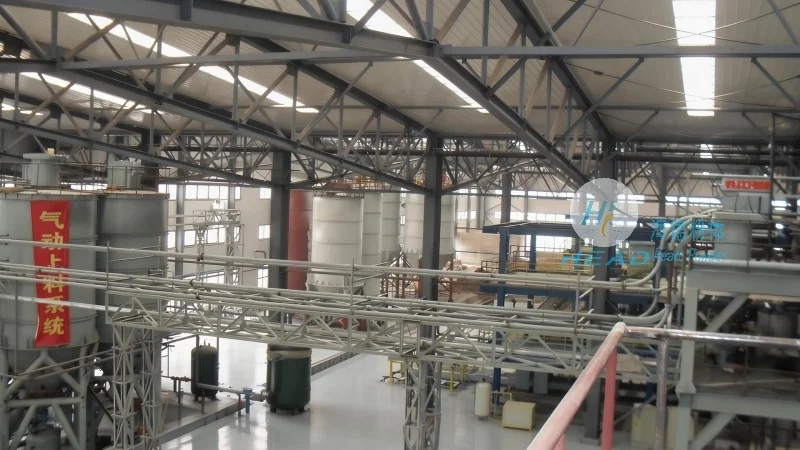
Inert gas circulation pneumatic conveying is widely used in various industries due to its versatility and efficiency. In the pharmaceutical industry, the system is used to transport active pharmaceutical ingredients (APIs) and other sensitive materials, ensuring that they are handled in a sterile and controlled environment. The inert gas prevents contamination and maintains the product's quality, which is critical for pharmaceutical products. In the food processing industry, the system is used to transport ingredients such as flour, sugar, and spices, ensuring that they are handled hygienically and without contamination. The system is also used in the chemical industry to transport chemicals and other hazardous materials, ensuring that they are handled safely and efficiently. In addition, the system is used in the mining and mineral processing industry to transport ores and other bulk materials from the mine to the processing plant. HeadPowder's systems have been successfully implemented in these and other industries, providing reliable and efficient material transport solutions.
Conclusion
Inert gas circulation pneumatic conveying is a highly effective and efficient method for transporting bulk materials in various industrial applications. The system operates by using an inert gas to create a pressure differential, which propels the material particles through a pipeline system. HeadPowder, as a leading manufacturer in this field, provides advanced and reliable systems that are tailored to meet the specific requirements of each application. The company's expertise in design, development, and production ensures that their systems offer high performance, low maintenance, and long service life. With its ability to maintain product purity, prevent contamination, and reduce the risk of dust explosions, inert gas circulation pneumatic conveying is an ideal solution for modern industrial material handling needs. As industries continue to demand more efficient and reliable material transport solutions, HeadPowder remains committed to providing innovative and effective systems that meet the evolving needs of the market.