

Operation Process and Working Principle of Pneumatic Conveying for Small-Bag Quantitative Feeding Ma
For industrial applications that require precise and efficient material handling, pneumatic conveying systems offer a reliable solution, especially when dealing with small-bag feeding of various bulk materials. The process involves the use of air to transport particles from a source to a destination, ensuring minimal loss and contamination. This article delves into the operation process and working principles of such systems, highlighting the key components and their functions.
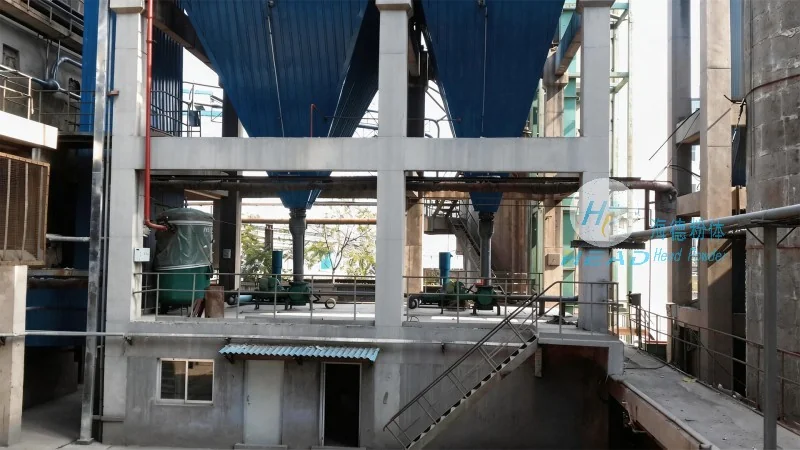
Key Components of the Pneumatic Conveying System
The effectiveness of a small-bag quantitative feeding pneumatic conveying system relies on several critical components working in tandem. The primary elements include the hopper, feeder, air compressor, conveying line, and receiver. Each component plays a vital role in the overall operation. The hopper is designed to store the material, ensuring a consistent feed. The feeder, often a volumetric or gravimetric type, controls the flow rate of the material into the system. The air compressor generates the necessary pressure to move the material through the pipeline. The conveying line, typically made of stainless steel or other corrosion-resistant materials, transports the material and air mixture. Finally, the receiver collects the material at the destination, completing the process.
Working Principle of the System
The working principle of a small-bag quantitative feeding pneumatic conveying system is based on the principle of fluidization and air movement. When the feeder releases material into the conveying line, the air compressor supplies compressed air. This air creates a flow that lifts and transports the material particles. The velocity of the air is crucial; it must be sufficient to overcome the gravitational force and friction within the pipeline. The system operates under either positive or negative pressure, depending on the application. Positive pressure systems push the material through the line, while negative pressure systems draw it in. The design of the system ensures that the material is conveyed without clogging or degradation, maintaining its quality.
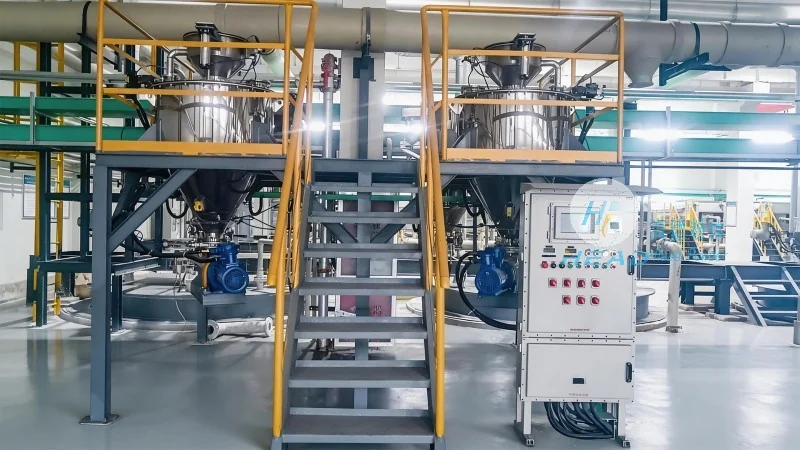
Operation Process Step-by-Step
The operation process of a small-bag quantitative feeding pneumatic conveying system can be broken down into several steps. First, the material is loaded into the hopper from the small bags. The feeder then measures and releases the material at a controlled rate. Simultaneously, the air compressor starts and supplies compressed air to the conveying line. The air and material mixture travels through the pipeline to the receiver. At the receiver, the material is deposited, and the air is either vented or recirculated. The system continuously monitors the flow rate and pressure to maintain optimal performance. Any adjustments to the feeder or air compressor are made to ensure consistent delivery of the material.
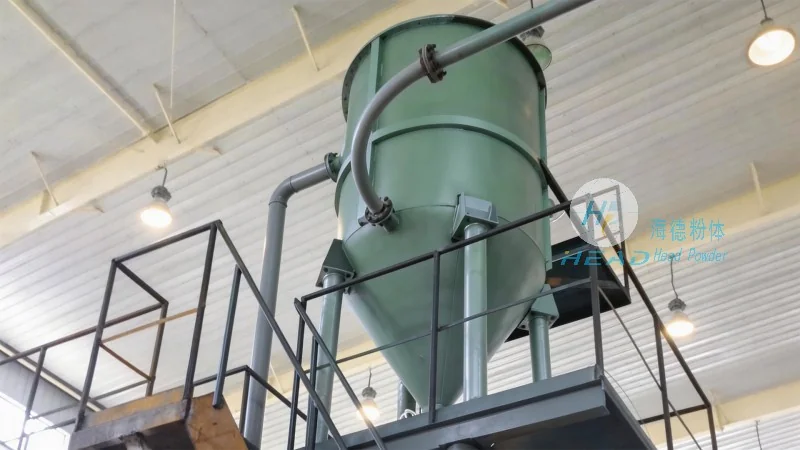
Advantages of Using Pneumatic Conveying for Small-Bag Feeding
Implementing a pneumatic conveying system for small-bag quantitative feeding offers several advantages. Firstly, it provides a dust-free and hygienic environment, which is essential for food and pharmaceutical industries. Secondly, it minimizes material loss and contamination, as the system is enclosed. Thirdly, it allows for precise control over the feed rate, ensuring accurate dosing. Additionally, the system is flexible and can handle a wide range of materials, from powders to granules. The compact design of the equipment also saves space in industrial settings. Overall, the system enhances operational efficiency and product quality.
Applications and Industries
The small-bag quantitative feeding pneumatic conveying systems are widely used in various industries. In the chemical industry, they handle raw materials and intermediates. In the food and beverage sector, they transport ingredients like flour, sugar, and spices. The pharmaceutical industry utilizes these systems for handling active pharmaceutical ingredients (APIs) and excipients. Additionally, in the agricultural sector, they are used for conveying grains and other agricultural products. The versatility of the system makes it suitable for diverse applications, meeting the specific needs of each industry.