

The Operation Process and Working Principle of Borax Material Pneumatic Conveying
Shandong HeadPowder Engineering Co., Ltd., commonly known as headpowder, specializes in the design, manufacturing, and installation of pneumatic conveying systems for various industrial materials, including borax. With a focus on efficient and reliable material handling solutions, the company has established itself as a leading provider in the field, particularly in applications involving borax, a key chemical compound used in industries such as glass, detergents, and pharmaceuticals.
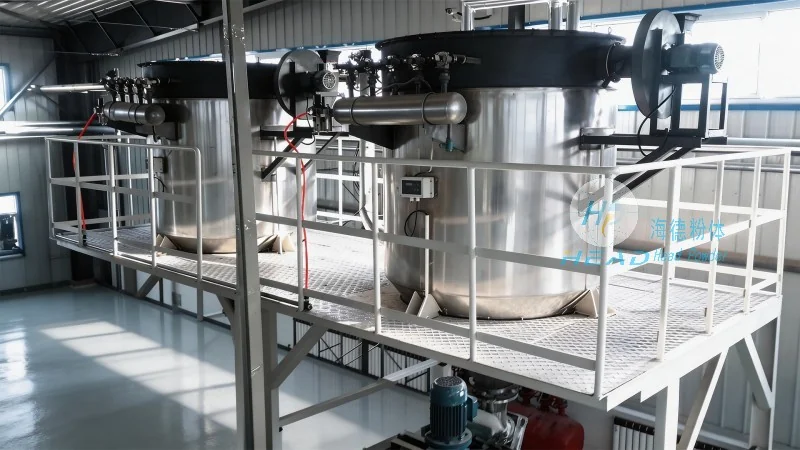
Borax, also known as sodium tetraborate decahydrate, is a white crystalline powder that requires specialized handling due to its fine particle size and potential for dust generation. Traditional methods of transporting borax, such as bulk bags or trucks, often face challenges like material loss, contamination, and operational inefficiencies. Pneumatic conveying offers a superior alternative by utilizing air to transport the material through a closed system, ensuring minimal loss, high purity, and consistent flow rates.
The working principle of borax material pneumatic conveying involves the use of a pressure or vacuum system to move the material through a pipeline. In a typical pressure system, a blower or compressor generates high-pressure air, which is introduced into the material hopper. The air lifts the borax particles and propels them through the pipeline to the destination point, such as a storage silo or processing unit. The system is equipped with valves, filters, and cyclones to control the flow and separate any excess air or fine particles, ensuring a clean and efficient operation.
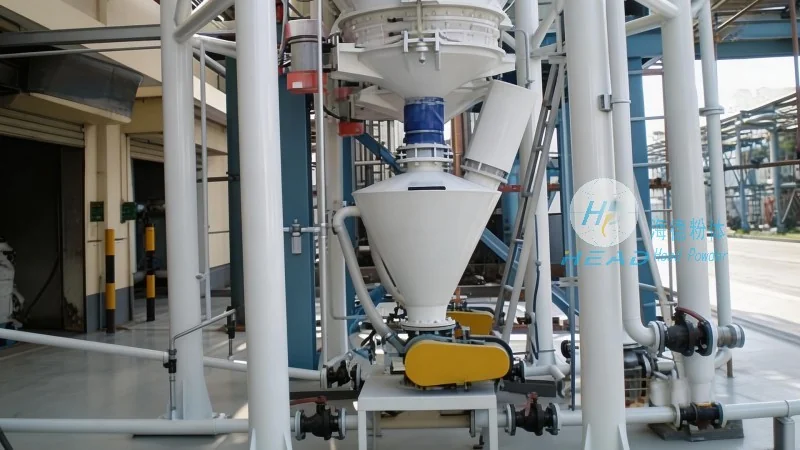
In a vacuum system, the process is reversed: a vacuum pump creates a low-pressure environment that draws the borax material from the source into the pipeline. This method is often used for long-distance or horizontal conveying, as it can handle longer distances and varying elevations without the need for high-pressure equipment. Both systems rely on the principle of air flow to transport the material, with the choice between pressure and vacuum depending on the specific application requirements, such as the distance, elevation change, and material characteristics.
The operation process of borax material pneumatic conveying begins with the preparation of the system, which includes checking the air supply, ensuring all valves are in the correct position, and verifying the integrity of the pipeline and equipment. Once the system is ready, the blower or vacuum pump is activated, and the borax material is introduced into the hopper. The material is then conveyed through the pipeline, with the flow rate controlled by adjusting the air pressure or vacuum level. The system includes sensors and controls to monitor the pressure, flow rate, and material level, allowing for real-time adjustments to maintain optimal performance. At the destination point, the borax is discharged into a storage silo or processing equipment, where it is further used in production.
Key components of the pneumatic conveying system for borax include the material hopper, which holds the borax and provides a controlled feed; the air compressor or vacuum pump, which generates the necessary air pressure or vacuum; the pipeline, which transports the material; and the control valves, which regulate the flow. Additional components such as filters, cyclones, and dust collectors are used to maintain the purity of the material and protect the equipment from wear and tear. The system is designed to handle the fine particle size of borax, which can be prone to caking or agglomeration, by incorporating features like agitators or vibrators in the hopper to prevent blockages and ensure consistent flow.
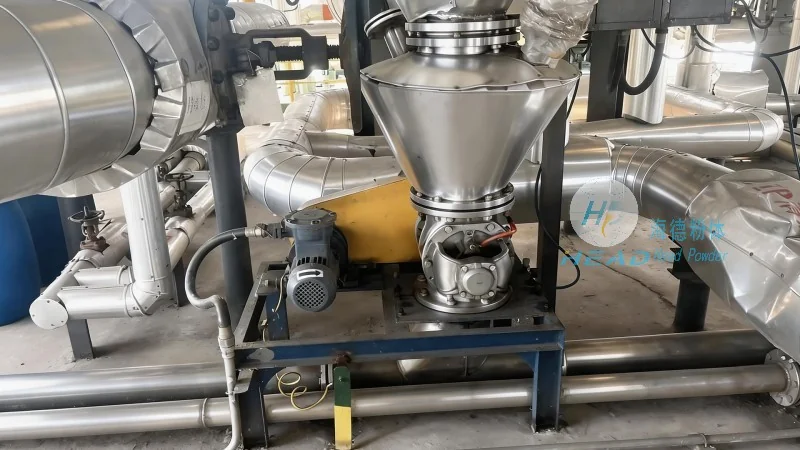
Pneumatic conveying of borax offers several advantages over traditional methods. It reduces material loss and contamination, as the material is contained within a closed system, preventing exposure to the environment and minimizing the risk of dust inhalation. The system also provides consistent flow rates, which is crucial for maintaining production efficiency in downstream processes. Additionally, the closed system reduces the need for manual handling, improving workplace safety and reducing labor costs. The ability to handle long distances and varying elevations makes pneumatic conveying suitable for large-scale industrial applications, where traditional methods may be impractical or inefficient.
Shandong HeadPowder Engineering Co., Ltd. leverages its expertise in pneumatic conveying technology to provide customized solutions for borax material handling. By understanding the unique properties of borax and the specific requirements of each application, the company designs and implements systems that ensure optimal performance, reliability, and efficiency. With a focus on quality and customer satisfaction, headpowder has become a trusted partner for industries relying on borax in their production processes, delivering solutions that meet the highest standards of industrial material handling.