

Operation Process and Working Principle of Wool Material Pneumatic Conveying
Wool material pneumatic conveying systems are essential for efficient and reliable transport of wool fibers in various industrial applications. Understanding the operation process and working principles of such systems is crucial for optimizing performance and ensuring consistent material handling. This article provides a detailed overview of the key aspects involved in the pneumatic conveying of wool, including the operational stages, technical mechanisms, and practical considerations for effective implementation.
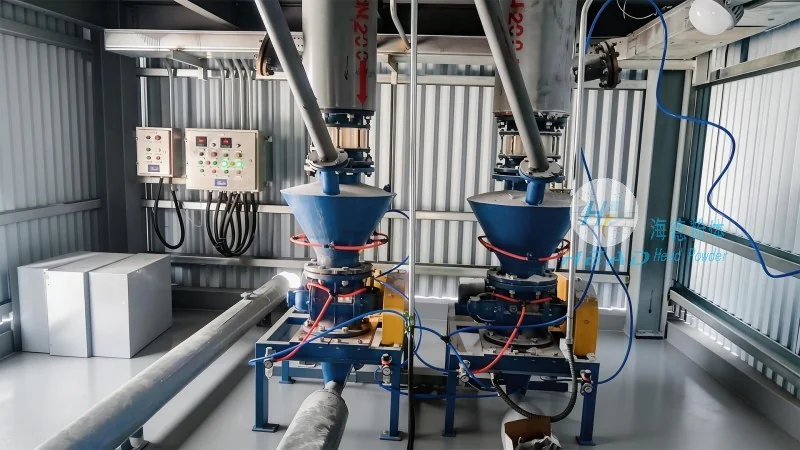
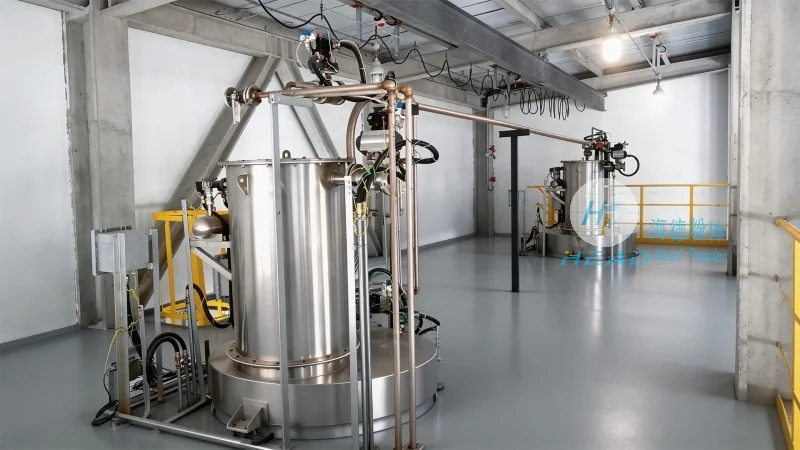
Overview of Wool Material Pneumatic Conveying
Pneumatic conveying, also known as pneumatic transport, is a method of moving bulk materials through a pipeline using a gas stream, typically air. In the context of wool processing, this technology is employed to transport raw wool, processed fibers, or waste materials between different stages of the production line. The system typically consists of a feeding unit, a conveying line, a separation or collection device, and a control system. The efficiency of the process depends on several factors, including the type of conveying system (e.g., dilute phase, dense phase), the material characteristics of wool, and the design of the equipment.
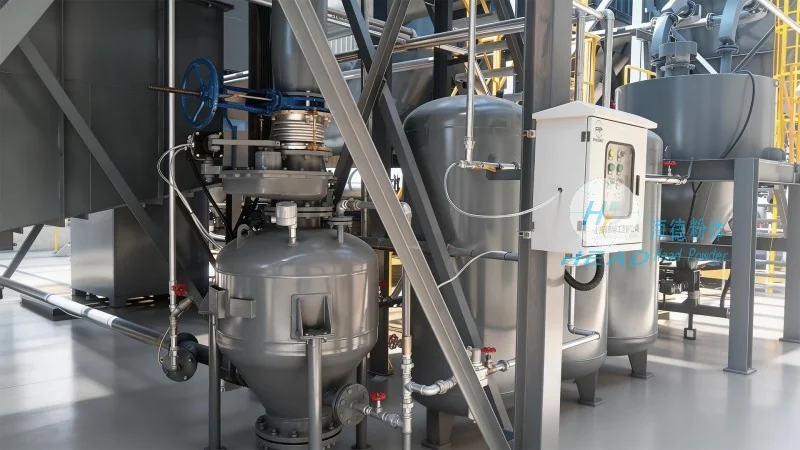
Key Components and Their Functions
The core components of a wool material pneumatic conveying system include the following:
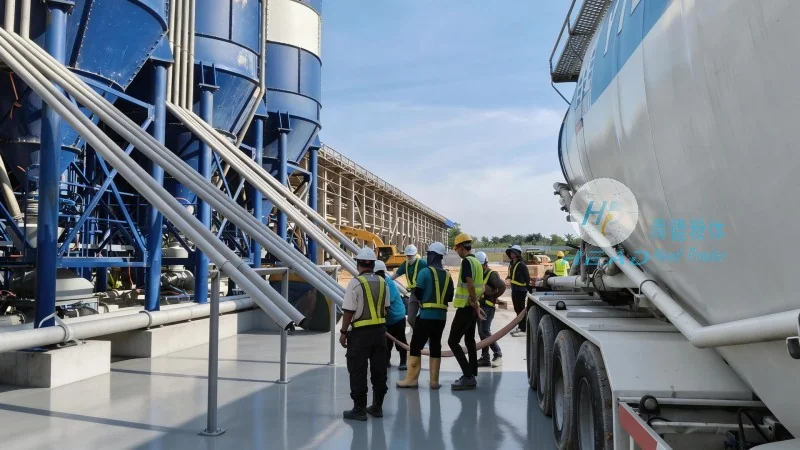
- Feeding Unit: This component is responsible for introducing the wool material into the conveying line. It may consist of a hopper, a rotary valve, or a screw feeder, which ensures a consistent and controlled flow of material. The design of the feeding unit is critical to prevent blockages and maintain the integrity of the wool fibers.
- Conveying Line: The pipeline through which the wool is transported. The diameter and length of the line, along with the gas velocity, determine the conveying capacity and efficiency. Proper line design minimizes pressure losses and ensures smooth material flow.
- Gas Supply System: This includes a blower or compressor that generates the air or gas stream. The pressure and flow rate of the gas are adjusted to match the material's properties and the system's requirements. The gas supply system is a critical factor in achieving optimal conveying performance.
- Separation or Collection Device: At the end of the conveying line, this component separates the wool from the air stream and collects it in a designated container. Common separation methods include cyclones, filters, or baghouses, which are chosen based on the material's characteristics and the required level of cleanliness.
- Control System: A system that monitors and regulates the operation of the conveying process. It may include sensors for pressure, flow, and material level, as well as control valves and a central control panel. The control system ensures safe and efficient operation by adjusting parameters in real-time.
Operation Process of Wool Material Pneumatic Conveying
The operation process of a wool material pneumatic conveying system involves several sequential steps: