

Operation Process and Working Principle of Pneumatic Conveying for Magnesia Powder Materials
Pneumatic conveying is a critical technology in material handling, particularly for handling fine powders like magnesia. This method involves transporting bulk materials through a pipeline using a flow of air or other gas. For magnesia powder, which is commonly used in construction, refractory, and chemical industries, efficient and reliable conveying is essential to maintain product quality and operational efficiency. The process of pneumatic conveying for magnesia powder combines advanced engineering principles with practical application, ensuring that the material is moved safely and effectively from source to destination.
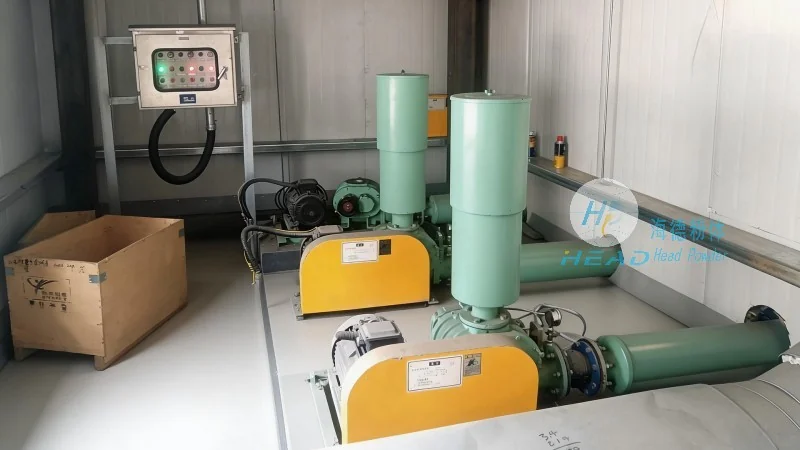
Company Profile: Shandong HeadPowder Engineering Co., Ltd.
Headpowder, the professional provider of material handling solutions, specializes in the design, manufacturing, and installation of pneumatic conveying systems tailored for magnesia powder and other similar materials. With a strong presence in Shandong, China, Headpowder leverages decades of industry experience to deliver high-quality equipment and services. The company’s commitment to innovation and customer satisfaction has established it as a trusted partner in the magnesia processing sector. Headpowder’s facilities and expertise are dedicated to meeting the diverse needs of clients, ensuring that each project is executed with precision and adherence to industry standards.
The Working Principle of Pneumatic Conveying Systems
At its core, pneumatic conveying operates by creating a pressure differential within a pipeline. This is achieved through the use of a blower or compressor that generates a flow of air. The magnesia powder is introduced into the pipeline, either by gravity or by a feeder device, and is entrained by the moving air stream. The air-powder mixture travels through the pipeline to the discharge point, where the air is separated from the powder, typically using a cyclone or filter system. The working principle emphasizes the balance between air velocity, material properties, and pipeline design to ensure optimal conveying performance. For magnesia powder, which has specific particle size and density characteristics, the system must be configured to prevent issues such as clogging or material degradation.
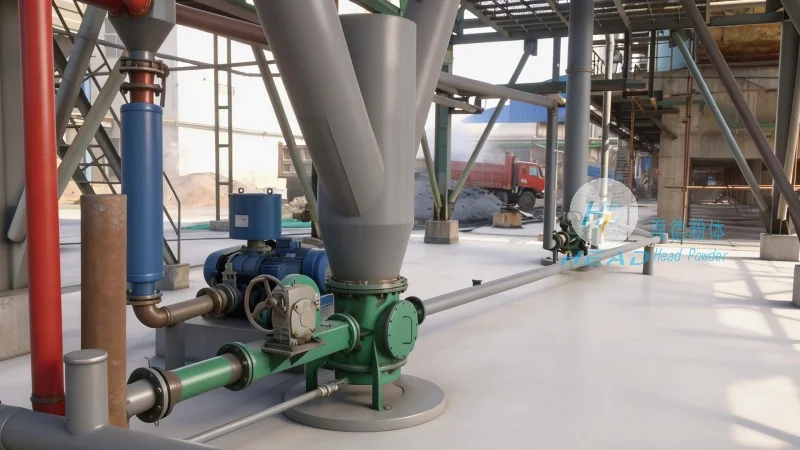
The Operation Process of Pneumatic Conveying for Magnesia Powder
The operation process of pneumatic conveying for magnesia powder involves several key steps. First, the magnesia powder is stored in a hopper or silo, where it is prepared for feeding. A feeder, such as a rotary valve or a screw feeder, controls the flow rate of the powder into the conveying line. The feeder ensures a consistent and controlled input of material, which is crucial for maintaining the stability of the air-powder mixture. Next, the air is introduced into the pipeline, creating the necessary pressure to transport the powder. The air velocity must be sufficient to entrain the powder particles without causing excessive wear on the pipeline or equipment. As the mixture travels through the pipeline, it may encounter bends, expansions, or other components that are designed to minimize pressure loss and maintain flow stability. Finally, at the discharge point, the air is separated from the magnesia powder, and the powder is collected in a receiving hopper or storage tank. The entire process is automated and monitored to ensure continuous and efficient operation.
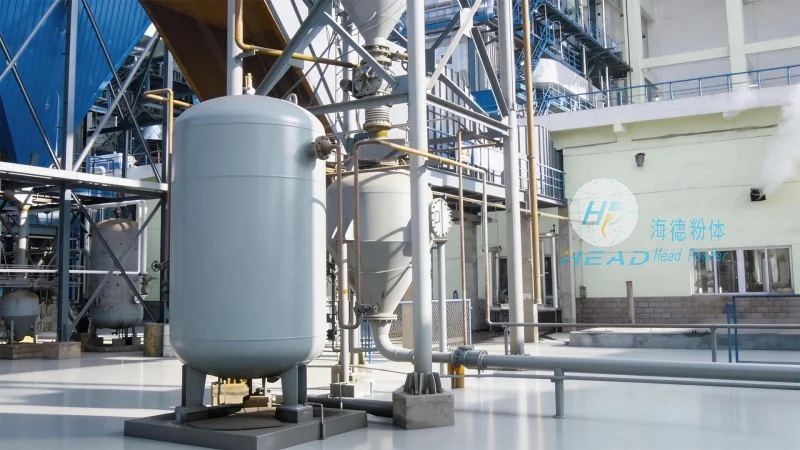
Key Features and Benefits of Pneumatic Conveying for Magnesia Powder Applications
Pneumatic conveying systems for magnesia powder offer several distinct advantages over traditional methods like belt conveyors or bucket elevators. One of the primary benefits is the ability to handle fine, dusty materials without the risk of product contamination or degradation. The enclosed pipeline system prevents exposure to the environment, maintaining the purity of the magnesia powder. Additionally, pneumatic conveying is highly flexible, allowing for vertical, horizontal, or mixed-direction transport, which is ideal for complex plant layouts. The system also provides better control over material flow, reducing the risk of overloading or underloading, which can lead to equipment damage or product loss. Another key feature is the ability to integrate with other processing equipment, such as mixers or reactors, by delivering the magnesia powder directly to the point of use. This integration enhances overall process efficiency and reduces downtime. The benefits of pneumatic conveying for magnesia powder applications extend to improved safety, as the enclosed system minimizes dust emissions and the risk of dust explosions, which are common concerns in powder handling operations.
Application Scenarios and Industry Use Cases
The applications of pneumatic conveying for magnesia powder are widespread across various industries. In the construction industry, magnesia powder is used as a raw material for producing refractory bricks and cement, where efficient conveying is essential to maintain production rates. The chemical industry utilizes magnesia powder in the production of magnesium compounds, such as magnesium oxide and magnesium chloride, where the purity of the material is critical. The refractory industry relies on magnesia powder for manufacturing high-temperature-resistant products, and pneumatic conveying ensures that the material is delivered to the production line without any loss of quality. Additionally, in the pharmaceutical and food processing sectors, where magnesia powder may be used as an additive or filler, the enclosed and clean pneumatic conveying system is preferred to prevent contamination. Each of these applications benefits from the consistent and reliable performance of pneumatic conveying systems, which are designed to meet the specific requirements of the magnesia powder and the end-use industry.