

Operation Process and Working Principle of Ammonium Nitrate Material Pneumatic Conveying
Ammonium nitrate is a widely used industrial chemical, often requiring efficient and reliable material handling solutions for its transportation. Pneumatic conveying systems offer a robust method for moving this material, especially in bulk processing applications. This article explores the operation process and working principle of such systems, highlighting key components and operational dynamics.
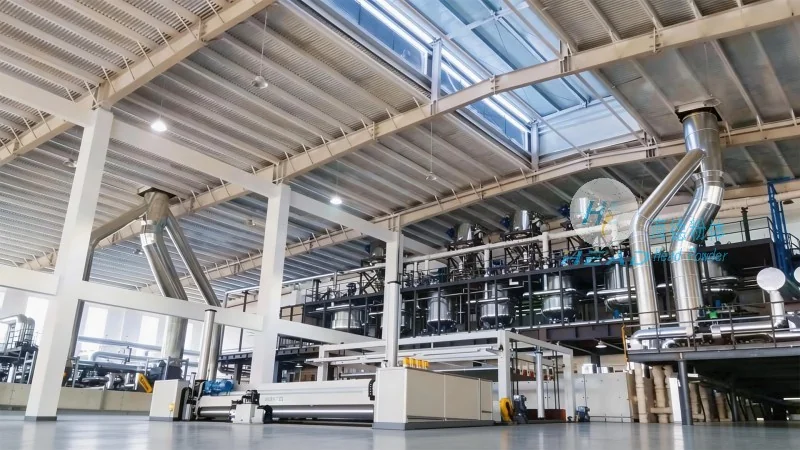
Overview of Ammonium Nitrate Pneumatic Conveying
Ammonium nitrate (AN) is a critical component in various industries, including fertilizers, explosives, and chemical manufacturing. The safe and efficient transport of AN is paramount due to its sensitivity and the need for precise handling. Pneumatic conveying systems provide a solution that minimizes dust exposure, reduces material loss, and ensures consistent flow rates. These systems are designed to handle AN in bulk quantities, making them ideal for large-scale operations.
Key Components of the Pneumatic Conveying System
The pneumatic conveying system for ammonium nitrate typically consists of several essential components. The primary elements include a hopper or feeder to supply the material, a compressor or blower to generate the air flow, a pipeline network to transport the material, and a receiver or discharge unit to collect the material at the destination. Each component plays a crucial role in the overall operation, ensuring smooth and continuous material movement.
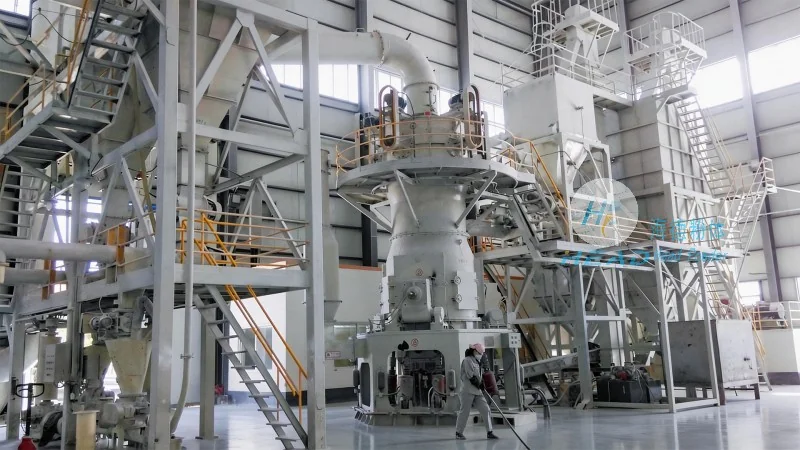
Working Principle of the System
The operation of the ammonium nitrate pneumatic conveying system is based on the principle of air suspension and transport. The process begins with the material being fed from the hopper into the pipeline. As the air is introduced by the compressor, it creates a low-pressure environment that lifts the ammonium nitrate particles into the air stream. The particles are then carried through the pipeline to the receiving hopper or storage area. The air flow is carefully controlled to maintain the appropriate velocity, preventing particle separation or blockages. The system uses positive pressure or negative pressure (or a combination) depending on the specific application and distance of transport.
Operation Process Step-by-Step
The operation process of the pneumatic conveying system for ammonium nitrate involves several sequential steps. First, the material is loaded into the hopper, which is equipped with a feeder to regulate the flow rate. The feeder ensures a consistent supply of AN to the system, preventing overloading or underflow. Next, the compressor starts and generates the required air pressure. The air is then introduced into the pipeline, creating a flow that lifts the material particles. As the material travels through the pipeline, it is transported to the receiving hopper. The air is filtered and recycled in some systems to conserve energy and reduce environmental impact. The entire process is automated and monitored to ensure optimal performance and safety.
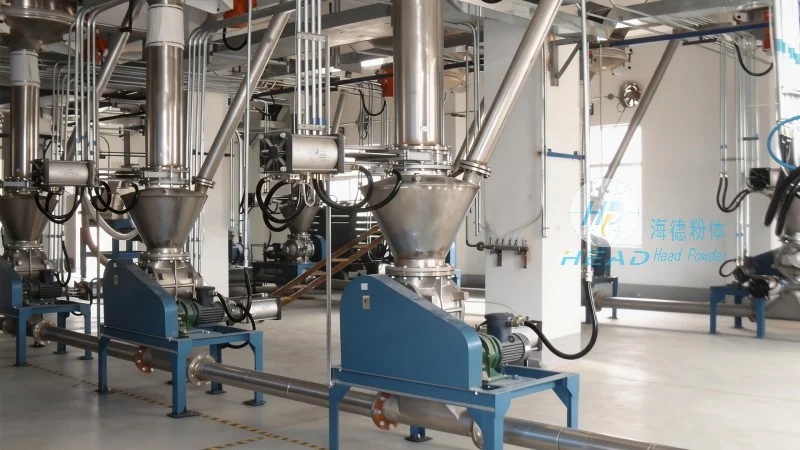
Advantages of Using Pneumatic Conveying for Ammonium Nitrate
Pneumatic conveying systems offer several advantages when handling ammonium nitrate. These include reduced dust generation, which improves workplace safety and compliance with environmental regulations. The enclosed system minimizes material loss and contamination, ensuring product purity. Additionally, the system provides a continuous and uniform flow, which enhances production efficiency and reduces downtime. The flexibility of pneumatic conveying allows for easy integration with existing processing lines and can adapt to varying material volumes and transport distances.
Company Profile: Shandong HeadPowder Engineering Co., Ltd.
Shandong HeadPowder Engineering Co., Ltd., operating under the brand name headpowder, specializes in the design, manufacturing, and installation of advanced material handling systems. With a focus on industrial chemical applications, the company provides customized solutions tailored to the specific needs of clients. HeadPowder's expertise in pneumatic conveying technology ensures that their systems are efficient, reliable, and compliant with industry standards. The company's facilities are located in Shandong, China, where they leverage local resources and expertise to deliver high-quality products and services.