

Operation Process and Working Principle of Air-Driven Dry Cobblestone Material Conveying
HeadPowder, a leading engineering company based in Shandong, China, specializes in the design, manufacturing, and implementation of advanced air-driven conveying systems for various industrial applications. Among these, the air-driven dry cobblestone material conveying system stands out as a highly efficient solution for transporting dry cobblestone materials with precision and reliability. This article delves into the operation process and working principle of such systems, highlighting their key components, operational dynamics, and practical applications.
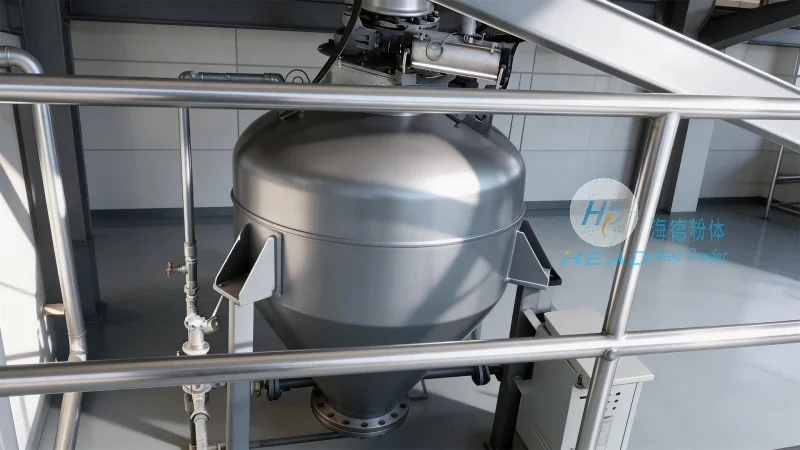
Understanding the Core Components of Air-Driven Dry Cobblestone Conveying Systems
The air-driven dry cobblestone material conveying system comprises several critical components that work in tandem to ensure smooth and efficient material transport. The primary components include a material hopper, a rotary airlock feeder, a conveying pipeline, a dust separator, and a discharge hopper. Each component plays a vital role in the overall system performance.
The material hopper is the initial point where dry cobblestone materials are loaded. It is designed to hold a sufficient quantity of material to maintain a consistent flow to the feeder. The rotary airlock feeder, positioned at the bottom of the hopper, regulates the material discharge rate by controlling the rotation speed of its blades. This component prevents material from being drawn back into the hopper and ensures a steady supply to the conveying pipeline.
The conveying pipeline is the central part of the system, responsible for transporting the dry cobblestone material through the air. It is typically made of high-quality, corrosion-resistant materials such as stainless steel or coated steel to withstand the abrasive nature of the cobblestone particles. The pipeline is equipped with bends and elbows to guide the material along the desired path, and its diameter is optimized to balance the material flow rate and air pressure requirements.
The dust separator is a crucial component for maintaining air quality and protecting downstream equipment. It uses a combination of filtration and cyclonic separation to remove dust and fine particles from the air stream. This ensures that the discharged material is clean and free from contaminants, while also preventing dust accumulation in the system.
The Working Principle of Air-Driven Dry Cobblestone Conveying
The operation of the air-driven dry cobblestone material conveying system is based on the principle of pneumatic transport, where compressed air is used to move the material through the pipeline. The process begins with the material being fed into the hopper from a storage silo or stockpile. As the material accumulates in the hopper, the rotary airlock feeder starts to rotate, allowing a controlled amount of material to fall into the conveying pipeline.
Simultaneously, a high-pressure air compressor supplies compressed air to the pipeline. The air, moving at a high velocity, creates a negative pressure (suction) at the inlet of the pipeline, which draws the dry cobblestone material into the air stream. The material is then carried along the pipeline by the moving air, with the air velocity maintained at a level sufficient to prevent material settling or blockage.
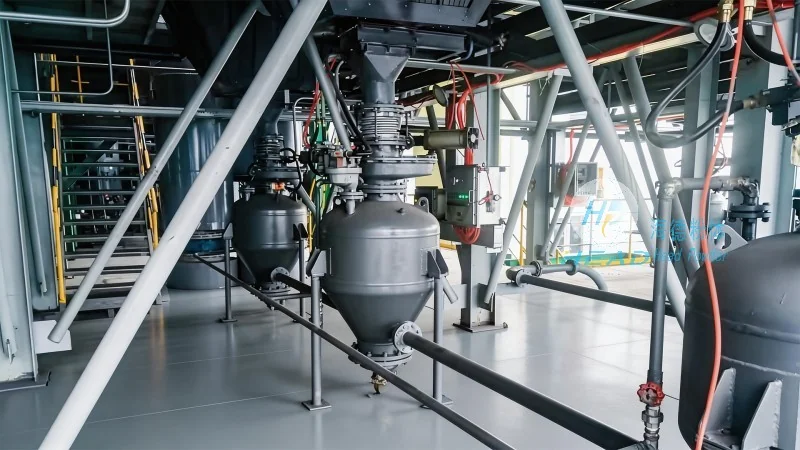
As the material travels through the pipeline, it passes through the dust separator, where the air is filtered to remove dust particles. The cleaned air is then discharged into the atmosphere, while the separated dust is collected and disposed of appropriately. The material continues to the discharge hopper at the end of the pipeline, where it is collected for further processing or storage.
Key Operational Parameters and Process Optimization
The efficiency and reliability of the air-driven dry cobblestone conveying system depend on several key operational parameters that need to be carefully managed. These include the air pressure, air flow rate, material feed rate, and pipeline diameter. Proper adjustment of these parameters ensures optimal performance and minimizes energy consumption.
Air pressure is a critical factor, as it determines the conveying velocity and the ability to transport the material over long distances. Higher air pressure allows for greater conveying distances and higher material flow rates, but it also increases energy consumption. Therefore, an optimal air pressure is determined based on the specific material characteristics and the required conveying distance.
Air flow rate is another important parameter, as it affects the material suspension and the overall conveying capacity. The flow rate must be sufficient to keep the material suspended in the air stream and prevent blockages. However, excessive air flow can lead to increased energy costs and potential damage to the system components.
Material feed rate is controlled by the rotary airlock feeder, which adjusts the amount of material entering the pipeline. This rate must be matched with the air flow rate to maintain a stable material flow and prevent overloading or underloading of the system. Proper synchronization of the feeder and air compressor is essential for smooth operation.
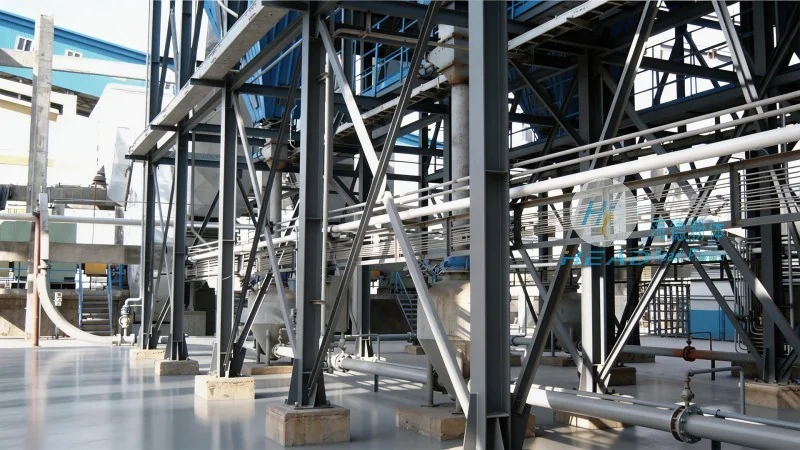
Pipeline diameter is also a key design parameter, as it influences the material flow rate and the air velocity. A larger diameter allows for higher material flow rates but may require higher air pressure to maintain the material in suspension. Conversely, a smaller diameter reduces energy consumption but limits the conveying capacity. The optimal diameter is determined based on the material size, density, and the required conveying distance.
Applications and Benefits of Air-Driven Dry Cobblestone Conveying
The air-driven dry cobblestone material conveying system is widely used in various industrial applications, including construction, mining, and material processing. It is particularly suitable for transporting dry cobblestone materials from stockpiles to processing plants, from processing units to storage areas, or between different production stages.
One of the primary benefits of this system is its ability to transport dry materials without the need for mechanical components such as belts or buckets, which can be prone to wear and tear. The pneumatic transport method ensures a clean and dust-free environment, reducing the risk of contamination and improving product quality. Additionally, the system is highly flexible, allowing for easy reconfiguration and adaptation to changing production requirements.
Another significant advantage is the energy efficiency of the system. Compared to traditional mechanical conveying systems, air-driven systems can achieve lower energy consumption while maintaining high material flow rates. This is due to the efficient use of compressed air and the absence of moving parts that require constant maintenance. The system also offers high reliability and low downtime, as it is less susceptible to blockages and material buildup.
Furthermore, the air-driven dry cobblestone conveying system provides a safe and environmentally friendly solution for material transport. The dust separator ensures that the air discharged from the system is clean, reducing the impact on the environment and improving workplace safety. The system also minimizes material handling risks, as it eliminates the need for manual loading and unloading of heavy or bulky materials.
Conclusion
HeadPowder's air-driven dry cobblestone material conveying system represents a sophisticated and efficient solution for transporting dry cobblestone materials in industrial settings. By understanding the operation process and working principle of such systems, users can optimize their material handling processes, improve productivity, and reduce operational costs. With its robust design, reliable performance, and environmental benefits, this system is an ideal choice for companies seeking to enhance their material transport capabilities.