

Operation Process and Working Principle of Pneumatic Conveying for Bioenzyme Materials
At Shandong HeadPowder Engineering Co., Ltd., we specialize in advanced pneumatic conveying solutions tailored for the efficient handling of bioenzyme materials. This technology is crucial for industries that rely on precise and reliable material transport, ensuring minimal degradation and optimal process control. Our systems are designed to meet the stringent requirements of bioenzyme processing, where maintaining the integrity and activity of enzymes is paramount.
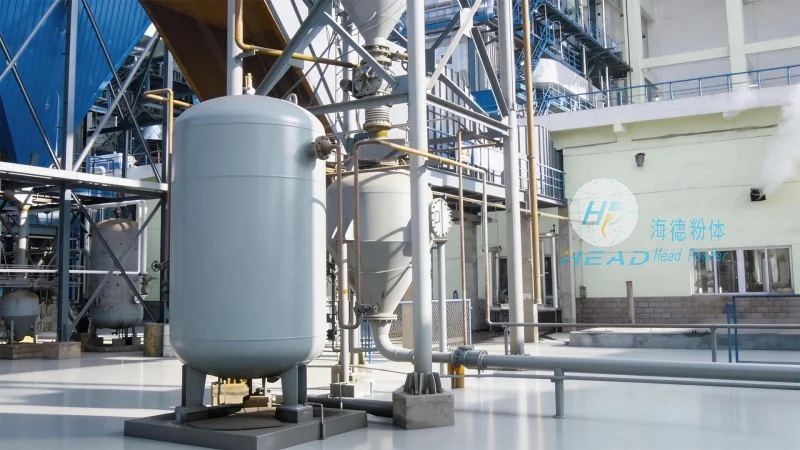
Working Principle of Pneumatic Conveying for Bioenzyme Materials
The core of our pneumatic conveying system involves the use of compressed air to transport bioenzyme powders through a pipeline network. The process begins with the material being fed into a hopper or feeder, where it is then drawn into the conveying line by the air flow. The air velocity is carefully controlled to maintain a stable, dense phase flow, which minimizes particle separation and ensures consistent material transport. This method is particularly effective for materials that are sensitive to moisture or mechanical stress, as it avoids direct contact with equipment surfaces and reduces the risk of contamination. The system operates by creating a pressure differential between the inlet and discharge points, using the air pressure to propel the material through the pipeline. This approach allows for a continuous, unidirectional flow that is ideal for high-volume production environments.
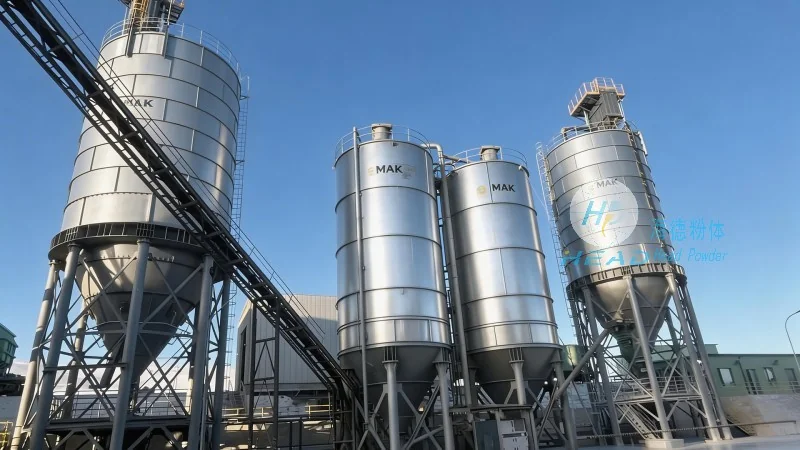
Operation Process of the Pneumatic Conveying System
The operation of our system follows a systematic sequence to ensure smooth and efficient material handling. First, the compressed air is supplied to the conveying line, creating the necessary pressure differential. The bioenzyme material is then introduced into the system through a feeding mechanism, such as a rotary valve or screw feeder, which regulates the flow rate. As the material travels through the pipeline, it is propelled by the air current, moving from the inlet to the discharge point. The system is equipped with pressure sensors and flow meters to monitor real-time performance, allowing for immediate adjustments to maintain optimal conditions. The discharge point is designed to handle the material gently, preventing caking or agglomeration, which is critical for maintaining the quality of bioenzyme products. Additionally, the system includes filtration and cleaning features to ensure that the air and material remain free from contaminants, enhancing the overall hygiene and safety of the process.
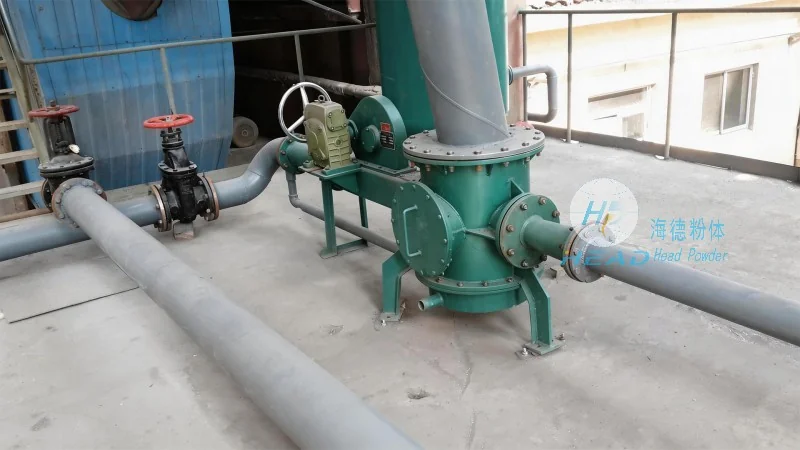
Advantages of Pneumatic Conveying for Bioenzyme Applications
Our pneumatic conveying solutions offer several key advantages for bioenzyme material handling. Firstly, the technology provides a closed system, which is essential for maintaining the purity and integrity of sensitive bioenzyme powders. This prevents exposure to environmental contaminants and reduces the risk of cross-contamination between different batches. Secondly, the system is highly flexible, allowing for easy integration into existing production lines and the ability to transport materials over long distances without the need for intermediate storage. This flexibility is particularly valuable in complex manufacturing setups where multiple processing units are involved. Thirdly, the low maintenance requirements and energy efficiency of pneumatic conveying make it a cost-effective solution for continuous operation in industrial settings. The gentle handling of materials also preserves the biological activity of enzymes, ensuring that the final product retains its efficacy and performance, which is critical for applications in pharmaceuticals and food processing.
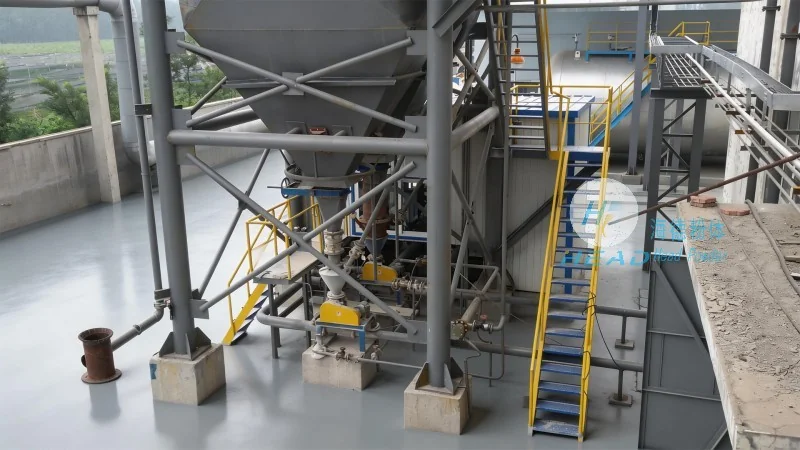
Applications in Bioenzyme Processing Industries
The pneumatic conveying systems developed by Shandong HeadPowder Engineering Co., Ltd. are widely used in various bioenzyme processing applications. These include the transport of enzyme powders from production units to storage silos, the transfer of raw materials to reactors, and the delivery of finished products to packaging lines. The technology is particularly beneficial in industries such as pharmaceuticals, food processing, and biotechnology, where the quality and consistency of bioenzyme products are paramount. By ensuring reliable and contamination-free material transport, our systems contribute to higher product yields and improved overall process efficiency. For example, in pharmaceutical manufacturing, the precise control of enzyme powder transport is essential for maintaining batch-to-batch consistency, which is required by regulatory standards. In food processing, the hygienic design of our systems helps to prevent microbial contamination, ensuring that the final products meet safety and quality regulations.