

Operation Process and Working Principle of Bulk Material Pneumatic Conveying Systems for Loading and
Bulk material pneumatic conveying systems are critical components in industrial logistics, designed to efficiently transport powders, granules, and other bulk materials between storage, processing, and transportation stages. For operations involving loading and unloading, these systems offer a reliable, dust-free, and automated solution that enhances productivity and safety. HeadPowder, a leading manufacturer of bulk material handling solutions, specializes in designing and supplying such systems tailored to meet the specific needs of industrial applications. This article explores the operation process and working principle of bulk material pneumatic conveying systems for loading and unloading, highlighting their key components and how they function to ensure smooth material handling.
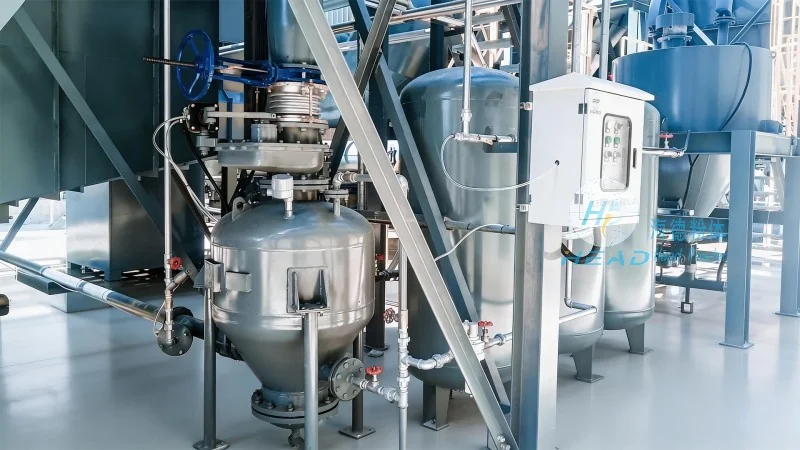
Key Components of Pneumatic Conveying Systems
The core components of a bulk material pneumatic conveying system for loading and unloading applications include the material hopper, feeder, air compressor, conveying line, and receiver. Each component plays a vital role in the overall system performance. The material hopper stores the bulk material and provides a consistent feed to the feeder. The feeder, typically a rotary valve or screw feeder, regulates the material flow into the conveying line. The air compressor generates the necessary air pressure to move the material through the system. The conveying line, often made of metal or flexible tubing, transports the material and air mixture. Finally, the receiver collects the material at the destination point, separating it from the air.
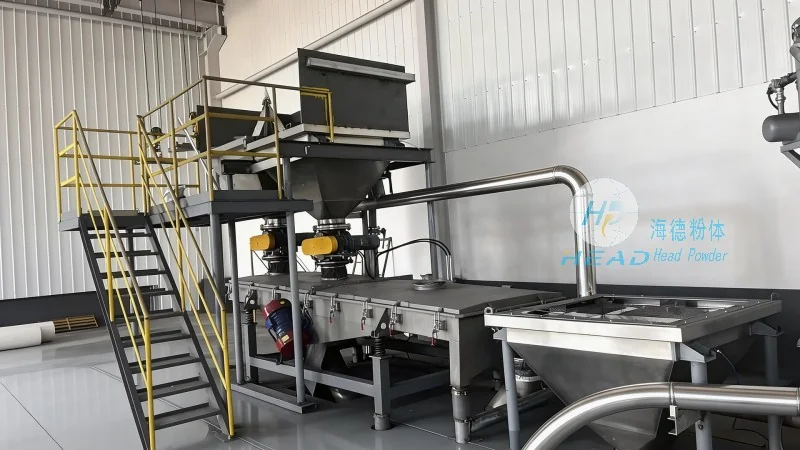
Working Principle of the System
The operation of a pneumatic conveying system for loading and unloading follows a sequential process. First, the bulk material is loaded into the material hopper from a truck or storage silo. The feeder then starts, controlling the material discharge rate. Simultaneously, the air compressor activates, producing compressed air that flows through the conveying line. As the air enters the hopper, it creates a pressure differential, drawing the material into the line. The material and air mixture travels through the conveying line to the receiver at the loading or unloading point. At the receiver, a separator (such as a cyclone or filter) separates the material from the air, allowing the material to be discharged and the air to be recirculated or vented. This cycle repeats continuously, ensuring a steady flow of material between the source and destination.
Operation Process in Detail
The operation process of a bulk material pneumatic conveying system for loading and unloading involves several key steps. Initially, the system is prepared by ensuring the material hopper is filled and the air compressor is running at the correct pressure. The feeder is then activated to start material discharge. The air compressor maintains a consistent pressure, which is crucial for efficient conveying. As the material is drawn into the conveying line, the system monitors the flow rate and pressure to prevent blockages or air leaks. At the receiving end, the material is collected in a container or directly loaded into a truck. The system also includes safety features such as pressure relief valves and dust collection systems to ensure safe operation. Regular maintenance, including cleaning the conveying line and checking the air compressor, is essential to maintain system efficiency and longevity.
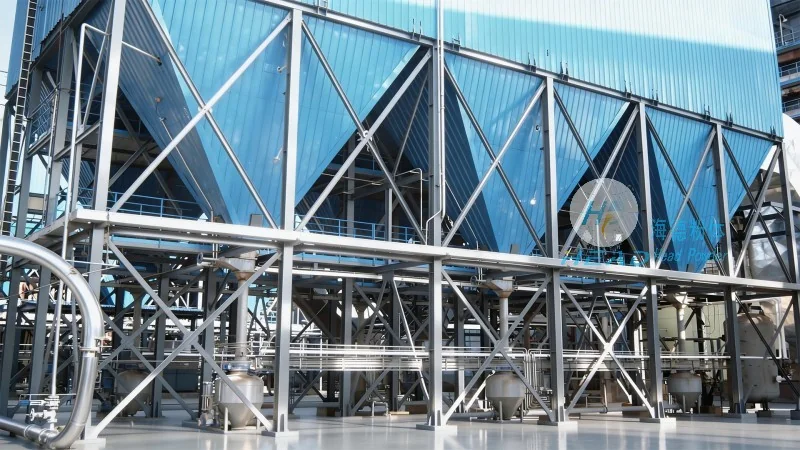
Benefits of Using Pneumatic Conveying Systems
Bulk material pneumatic conveying systems for loading and unloading offer numerous advantages over traditional methods like belt conveyors or manual handling. These systems provide a dust-free environment, reducing health risks and improving workplace safety. They also offer high efficiency, with the ability to transport materials over long distances with minimal energy consumption. The automated operation reduces labor costs and increases productivity, as the system can run continuously without constant human intervention. Additionally, the systems are flexible, allowing for easy integration with existing infrastructure and the ability to handle a wide range of materials, from fine powders to coarse granules. The reliability of these systems ensures consistent performance, minimizing downtime and maintenance costs.