

Operation Process and Working Principle of Multi-Point Feeding Material Pneumatic Conveying System
Multi-point feeding material pneumatic conveying systems are advanced industrial solutions designed to efficiently transport bulk materials from multiple feeding points to a central collection or processing unit. These systems are widely used in various industries, including food processing, pharmaceuticals, chemicals, and minerals, due to their ability to handle a wide range of materials with minimal contamination and high operational efficiency. HeadPowder, a leading manufacturer of such systems, specializes in providing customized solutions tailored to the specific needs of each client.
System Overview and Key Components
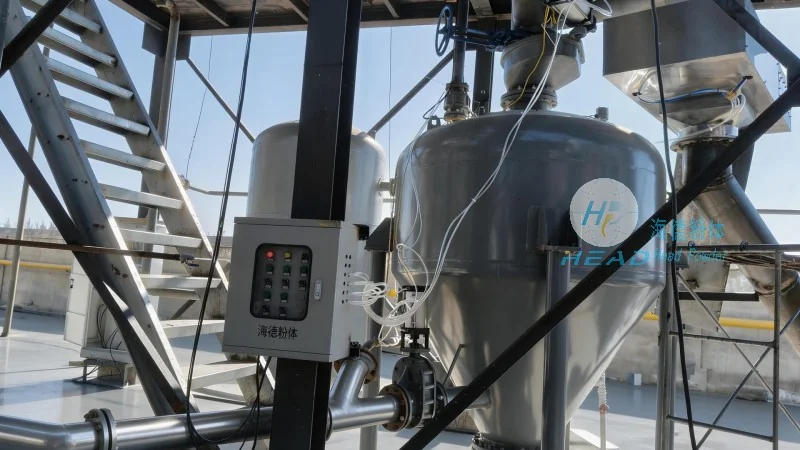
At the heart of a multi-point feeding material pneumatic conveying system is a network of components that work together to facilitate material transport. The primary components include multiple feeding hoppers, a central conveying pipeline, a vacuum or pressure source (such as a blower or compressor), and a control unit. Each feeding hopper is equipped with a valve or feeder to regulate the material discharge rate, ensuring that the material is fed at a consistent and controlled pace. The central pipeline connects all feeding points to a central collection point, where the material is either discharged into a silo, storage tank, or directly to the next processing stage. The design of these components is critical to the system's performance, as they must be able to handle the specific properties of the material being conveyed, such as particle size, density, and moisture content.
Operation Process: Step-by-Step Execution
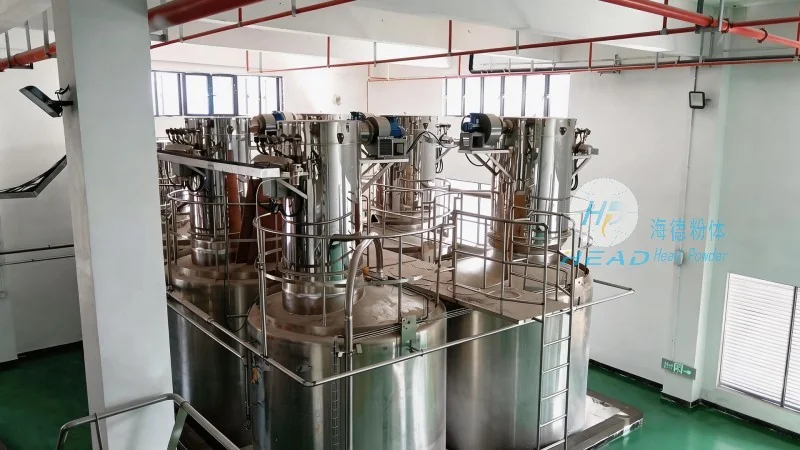
The operation of a multi-point feeding material pneumatic conveying system typically follows a structured sequence to ensure optimal performance. The process begins with the activation of the control unit, which signals the feeding hoppers to start discharging material. As material enters the conveying pipeline, the air source (blower or compressor) generates a flow of air that propels the material particles through the pipeline. The air velocity is carefully controlled to maintain a stable flow, preventing material segregation or blockages. The control system continuously monitors the pressure and flow rates within the pipeline, adjusting the air supply as needed to maintain consistent material transport. Once all feeding points have completed their discharge, the system transitions to a standby mode, ready for the next cycle. This sequential operation ensures that the material is transported efficiently and without interruption, maximizing the system's throughput.
Working Principle: The Physics Behind Material Transport
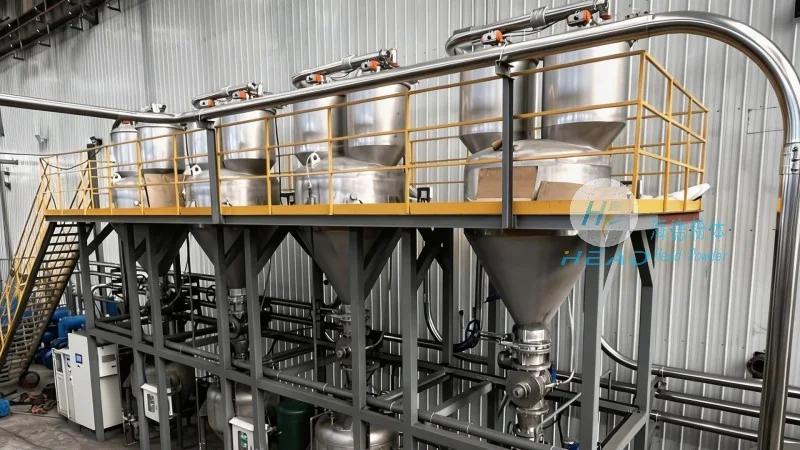
The working principle of multi-point feeding material pneumatic conveying systems is based on the fundamental physics of fluid dynamics and particle motion. The system operates by creating a low-pressure or high-pressure environment within the conveying pipeline, which draws or pushes the material particles along with the air stream. In a vacuum-based system, the blower creates a negative pressure that pulls material from the feeding hoppers into the pipeline. In a pressure-based system, the compressor pushes air into the pipeline, forcing the material particles to move forward. The key to efficient transport is maintaining a sufficient air velocity to overcome the drag forces acting on the particles and to prevent them from settling or sticking to the pipeline walls. The system's design, including the size of the pipeline, the angle of the conveying path, and the type of air source, all contribute to the overall efficiency and effectiveness of material transport. For example, the use of a positive pressure system is often preferred for long-distance or high-velocity transport, as it provides better control over the material flow and reduces the risk of blockages.
Benefits and Applications
Multi-point feeding material pneumatic conveying systems offer several advantages over traditional mechanical conveying methods. These include reduced material handling time, lower labor costs, and minimal product contamination. The ability to feed material from multiple points simultaneously allows for increased throughput and flexibility in production processes. Additionally, the system's enclosed design helps to prevent dust emissions and maintain a clean working environment. These systems are particularly suitable for transporting materials that are sensitive to moisture, temperature, or contamination, such as food products, pharmaceuticals, and fine chemicals. HeadPowder's systems are engineered to meet the stringent requirements of these industries, ensuring compliance with safety and quality standards.
Customization and Integration
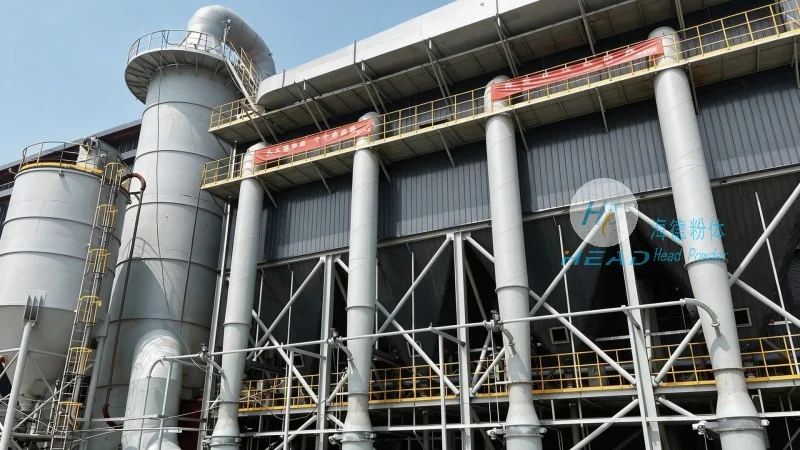
HeadPowder understands that each industrial application has unique requirements, which is why they offer customized multi-point feeding material pneumatic conveying systems. The company works closely with clients to design systems that integrate seamlessly with existing production lines, minimizing downtime and maximizing operational efficiency. Customization options include the selection of appropriate feeding hoppers, pipeline materials (such as stainless steel or plastic), and air source types. The control systems can also be tailored to meet specific operational needs, such as remote monitoring or automated feeding schedules. By providing customized solutions, HeadPowder ensures that their clients achieve optimal performance and cost savings.