

Operation Process and Working Principle of Plugging-Type Bulk Material Pneumatic Conveying Systems
Plugging-type pneumatic conveying systems represent a sophisticated solution for the efficient and reliable transport of bulk materials. These systems are widely utilized across various industries, including chemical, food, and pharmaceutical sectors, where maintaining product integrity and minimizing contamination are critical. The operation and working principles of such systems are essential for understanding their functionality and optimizing performance.
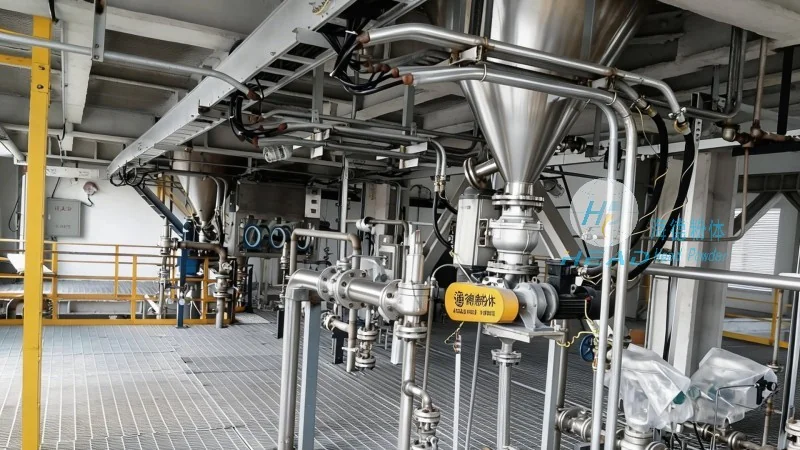
Overview of Plugging-Type Pneumatic Conveying Systems
At the core of plugging-type systems is the concept of creating a plug, or a solid block, of material within the conveying line. This plug acts as a piston, driving the material forward through the pipeline under the pressure of the conveying air. The system typically consists of a hopper for material storage, a feeder to control the flow rate, a conveying line, and a receiver for the discharged material. The key advantage of this design is its ability to handle a wide range of materials, from fine powders to larger granules, with minimal degradation or segregation.
Working Principle of Plugging-Type Systems
The working principle of a plugging-type pneumatic conveying system involves several key steps. First, material is fed from the hopper into the conveying line through a feeder. The feeder is designed to maintain a consistent flow rate, which is crucial for forming a stable plug. As the material moves forward, the plug is propelled by the pressure of the compressed air introduced at the inlet. The air pressure creates a force that pushes the plug along the pipeline, ensuring continuous and uniform transport. The system operates under positive pressure, meaning the conveying air is at a higher pressure than the ambient air, which helps to maintain the integrity of the plug and prevent backflow.
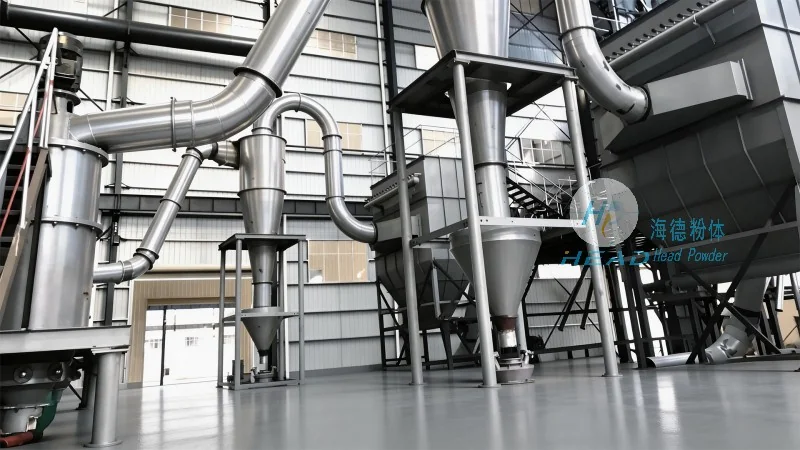
Key Components and Their Functions
Several critical components contribute to the effective operation of plugging-type pneumatic conveying systems. The hopper serves as the storage vessel, providing a reservoir of material that can be drawn upon as needed. The feeder, often a rotary valve or a screw feeder, regulates the flow rate of material into the conveying line, ensuring that the plug forms steadily without excessive pressure buildup. The conveying line, typically made of stainless steel or other corrosion-resistant materials, is designed to withstand the pressure and abrasion from the material and air. The receiver, located at the end of the line, collects the discharged material and may include a dust collection system to prevent environmental contamination. Additionally, the system may include pressure sensors and control valves to monitor and adjust the air pressure and flow rates in real-time, enhancing operational efficiency and safety.
Operation Process: Step-by-Step
The operation process of a plugging-type pneumatic conveying system can be broken down into distinct phases. Initially, the hopper is filled with the bulk material, and the system is prepared for operation. The feeder is activated, and the material begins to flow into the conveying line. As the material accumulates, a plug forms, and the compressed air is introduced at the inlet. The air pressure pushes the plug forward, and the material is transported to the receiver. The process continues as long as material is available in the hopper and the system is powered. The system can operate continuously, with the plug moving at a steady velocity determined by the air pressure and the material properties. When the material level in the hopper drops, the feeder may adjust its speed to maintain the plug formation, ensuring uninterrupted operation.
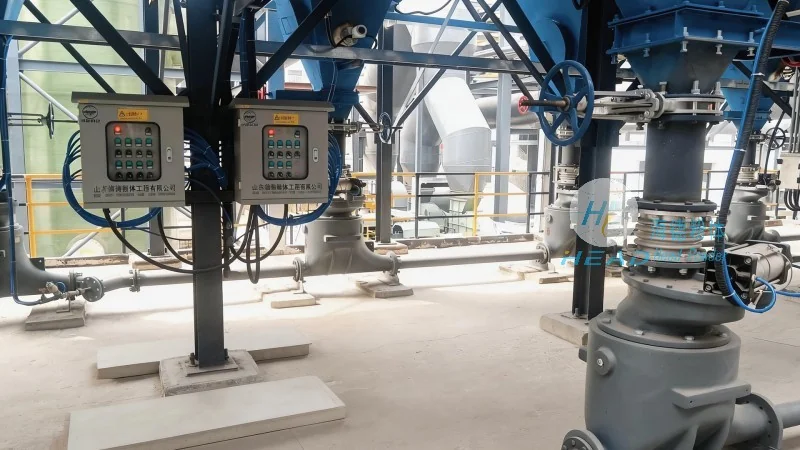
Advantages and Applications
Plugging-type pneumatic conveying systems offer several advantages over other conveying methods. They are capable of handling abrasive and corrosive materials without significant wear on the equipment. The enclosed system prevents dust and contamination, making it suitable for applications where product purity is paramount. Additionally, the system can transport materials over long distances with minimal energy consumption compared to other bulk handling solutions. These systems are commonly used in the chemical industry for transporting powders and granules, in the food industry for handling ingredients and products, and in the pharmaceutical sector for transporting raw materials and finished products. The ability to maintain product integrity and control the flow rate makes plugging-type systems a preferred choice for industries where quality and consistency are non-negotiable.
Maintenance and Operational Considerations
To ensure the reliable and efficient operation of plugging-type pneumatic conveying systems, regular maintenance is essential. This includes inspecting the hopper and feeder for blockages or wear, checking the conveying line for leaks or damage, and maintaining the air pressure and flow rates within specified parameters. The system should be cleaned regularly to prevent material buildup, which can affect the plug formation and overall performance. Additionally, the control system should be calibrated periodically to ensure accurate monitoring and adjustment of the conveying parameters. Proper training of operators is also crucial, as they need to understand the system's operation and respond appropriately to any issues that may arise. By following these maintenance and operational guidelines, the system can achieve long-term reliability and optimal performance.