

Operation Process and Working Principle of Pneumatic Conveying Equipment for Aluminum Foil Materials
HeadPowder, a leading manufacturer based in Shandong, China, specializes in the design, development, and production of advanced pneumatic conveying systems tailored for aluminum foil materials. This article provides a detailed overview of the operational process and working principles of such equipment, highlighting key components, operational sequences, and the technical mechanisms that ensure efficient material handling.
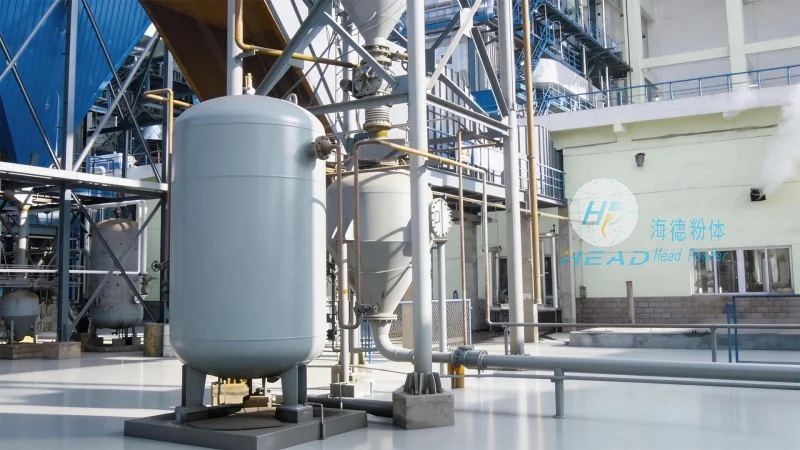
Introduction to Pneumatic Conveying Systems for Aluminum Foil
Pneumatic conveying equipment is a critical solution for transporting aluminum foil materials in various industrial applications, including manufacturing, packaging, and processing facilities. These systems utilize air or gas as the conveying medium to move bulk materials through a network of pipes and components. The technology offers advantages such as dust-free operation, reduced material degradation, and the ability to handle sensitive materials like aluminum foil without contamination. HeadPowder's expertise lies in optimizing these systems to meet the specific demands of aluminum foil processing, ensuring reliability, efficiency, and compliance with industry standards.
Key Components of the Pneumatic Conveying System
The pneumatic conveying system for aluminum foil materials typically consists of several essential components that work in concert to facilitate material transport. These components include the material hopper, feeder, air supply system (blower or compressor), conveying pipes, control valves, and the receiving hopper or discharge point. Each component plays a vital role in the overall operation, and their proper integration is crucial for achieving optimal performance.
1. Material Hopper: This is the storage container where aluminum foil materials are loaded before being conveyed. The hopper is designed with a smooth interior to prevent material buildup and ensure consistent flow. It may include a level indicator to monitor the material volume and a discharge valve to regulate the feed rate.
2. Feeder: The feeder is responsible for controlling the flow of aluminum foil from the hopper into the conveying system. Common types include rotary valves, screw feeders, or vibratory feeders, which can be adjusted to maintain a steady and controlled feed rate. This component is critical for preventing surges or blockages in the system, especially when handling delicate materials like aluminum foil.
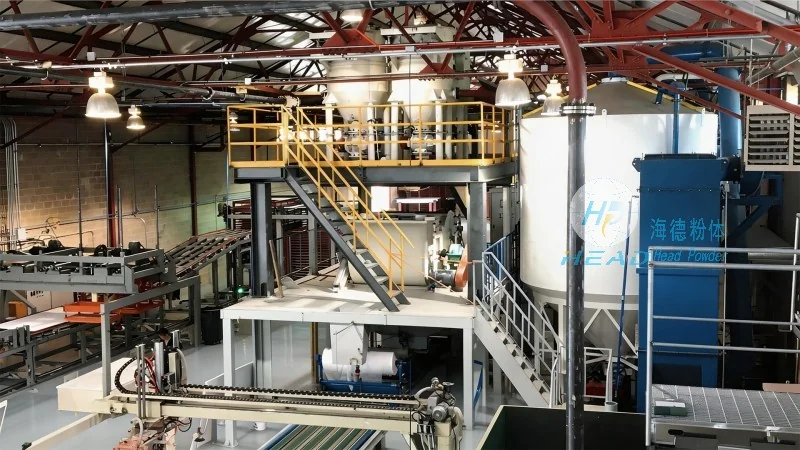
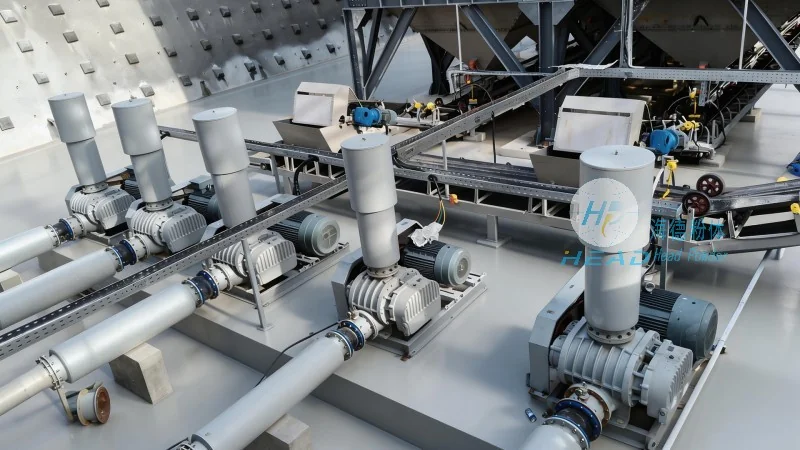
3. Air Supply System: The air supply system provides the necessary pressure and volume of air or gas to move the aluminum foil particles through the pipes. This can be achieved using a positive displacement blower or a centrifugal compressor, depending on the system design and the required conveying distance. The system includes filters and regulators to ensure clean, dry air and maintain consistent pressure.
4. Conveying Pipes: The pipes form the main pathway for the aluminum foil material and air mixture. They are typically made of stainless steel or other corrosion-resistant materials to withstand the abrasive nature of aluminum foil and prevent contamination. The pipe diameter and length are carefully selected based on the material characteristics, flow rate, and system pressure to minimize pressure drop and energy consumption.
5. Control Valves: These valves regulate the flow of air and material within the system. They include check valves to prevent backflow, pressure relief valves to protect against overpressure, and control valves to adjust the air flow rate. Proper valve operation ensures smooth and controlled conveying, preventing issues such as clogging or excessive pressure.
6. Receiving Hopper or Discharge Point: The final component where the aluminum foil is deposited after being conveyed. This may be a storage bin, a processing machine, or a packaging unit. The receiving hopper is designed to handle the material gently and prevent damage, ensuring that the aluminum foil maintains its quality and integrity.
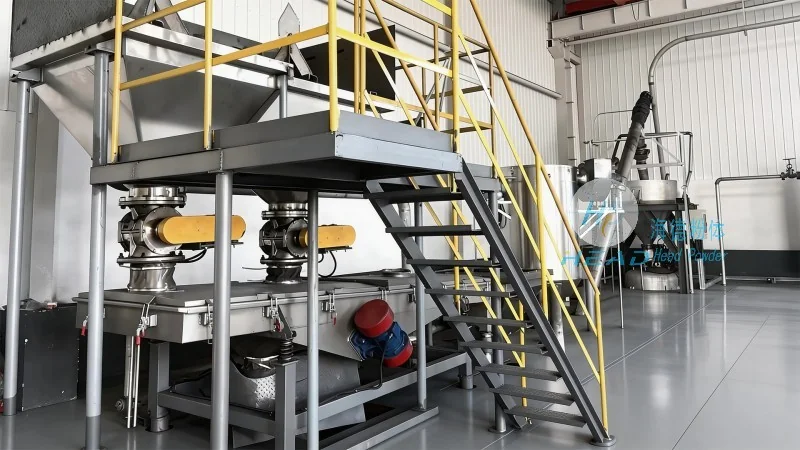
Operation Process of the Pneumatic Conveying Equipment
The operation of the pneumatic conveying system for aluminum foil materials follows a systematic sequence of steps to ensure efficient and reliable material transport. The process begins with the loading of aluminum foil into the material hopper. The feeder then regulates the feed rate, allowing a controlled amount of material to enter the conveying pipes. Simultaneously, the air supply system generates the necessary air pressure, which is introduced into the pipes, creating a flow that carries the aluminum foil particles.
As the air and material mixture travels through the conveying pipes, it moves toward the receiving hopper or discharge point. The system's control valves monitor and adjust the air flow and material feed to maintain a consistent conveying rate. The pressure and flow are continuously regulated to prevent blockages or excessive energy consumption. Upon reaching the discharge point, the aluminum foil is deposited, and the cycle repeats as new material is fed into the hopper.
Working Principle of the Pneumatic Conveying System
The working principle of the pneumatic conveying system for aluminum foil materials is based on the interaction between the air flow and the material particles. The system operates on the principle of fluidization, where the air flow creates a low-pressure zone that lifts and transports the aluminum foil particles. This is achieved by introducing high-velocity air into the conveying pipes, which generates sufficient kinetic energy to overcome the gravitational force acting on the material.
There are two primary types of pneumatic conveying systems used for aluminum foil materials: dilute-phase and dense-phase systems. Dilute-phase systems operate at higher air velocities and lower material concentrations, typically used for short conveying distances. Dense-phase systems, on the other hand, operate at lower air velocities and higher material concentrations, suitable for longer distances and more sensitive materials like aluminum foil. HeadPowder's systems are designed to accommodate both types, allowing flexibility based on the specific application requirements.
In the dilute-phase system, the aluminum foil particles are suspended in the air stream, moving through the pipes as a mixture. The air velocity is maintained above the material's terminal velocity to ensure continuous transport. The system relies on the momentum of the air to carry the material, with minimal pressure drop across the conveying distance. This type of system is efficient for short to medium distances and offers high material throughput.
For the dense-phase system, the air velocity is lower, and the material is conveyed in a more compact form, often as a slurry or plug flow. The system uses higher air pressure and lower flow rates to move the material, reducing the risk of material degradation and ensuring gentle handling. HeadPowder's dense-phase systems are particularly effective for aluminum foil, as they minimize the impact on the material's surface and prevent contamination.
Advantages and Considerations in Aluminum Foil Pneumatic Conveying
The use of pneumatic conveying equipment for aluminum foil materials offers several advantages over traditional methods such as belt conveyors or manual handling. These include improved material quality, reduced labor costs, and enhanced safety. However, there are also considerations to keep in mind, such as the need for proper system maintenance, regular cleaning to prevent clogging, and the importance of selecting the right system type based on the application.
HeadPowder's pneumatic conveying systems are engineered to address these considerations, providing reliable and efficient solutions for aluminum foil handling. The company's expertise in material flow dynamics and system design ensures that the equipment operates optimally, minimizing downtime and maximizing productivity. By leveraging advanced technology and rigorous quality control, HeadPowder delivers systems that meet the demanding requirements of aluminum foil processing industries.
Conclusion
In conclusion, the pneumatic conveying equipment for aluminum foil materials is a sophisticated and efficient solution for industrial material handling. The operation process involves a series of coordinated steps, from material loading to discharge, while the working principle relies on the interaction between air flow and material particles. HeadPowder, with its comprehensive understanding of the technology and commitment to quality, provides advanced pneumatic conveying systems that meet the specific needs of aluminum foil processing. By investing in such equipment, industries can enhance their operational efficiency, maintain material quality, and ensure compliance with industry standards.