

Operation Process and Working Principle of Flower Bio-material Pneumatic Conveying Equipment
For businesses in the flower processing industry, efficient and reliable material handling is crucial to maintaining productivity and product quality. Pneumatic conveying equipment offers a solution that can streamline the movement of flower bio-materials from one location to another, ensuring minimal loss and contamination. This article explores the operation process and working principle of such equipment, providing insights into how it functions and the benefits it brings to the industry. The expertise of companies like Shandong HeadPowder Engineering Co., Ltd. (headpowder) in designing and implementing these systems is key to optimizing material handling in flower processing facilities.
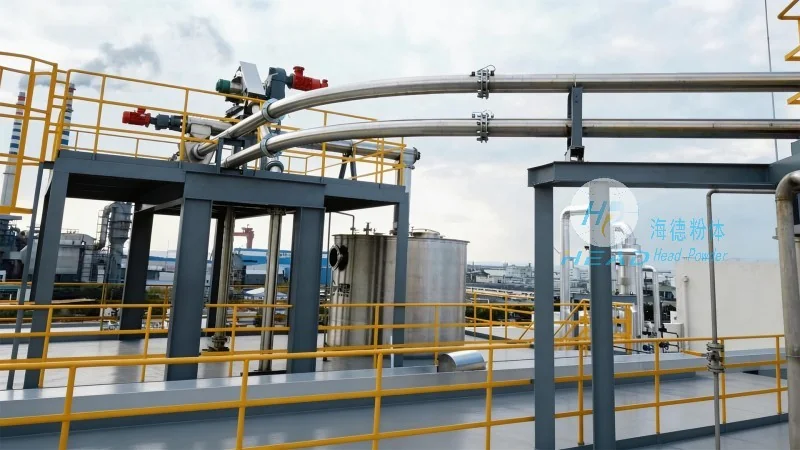
Understanding the Core Components of Pneumatic Conveying Systems
The effectiveness of a pneumatic conveying system for flower bio-materials depends on its well-designed components. These typically include a hopper for material storage, a conveyor line (often a flexible tube or rigid pipe), a blower or compressor to generate airflow, and a receiver or collection unit. Each component plays a vital role in the overall operation, working in tandem to ensure smooth material transport. The hopper ensures a consistent feed of the flower material, while the blower provides the necessary pressure or vacuum to move the material through the system. The conveyor line, whether flexible or rigid, is selected based on the material's characteristics and the required distance of transport. The receiver then collects the material at the destination, completing the process.
Step-by-Step Operation Process of Flower Bio-material Pneumatic Conveying
The operation of a pneumatic conveying system for flower bio-materials involves several key steps that ensure efficient material handling. First, the flower material is loaded into the hopper, where it is stored until needed. Next, the system is activated, and the blower starts to operate, generating airflow within the conveyor line. The material is then drawn from the hopper and carried along the conveyor line by the airflow. As the material travels through the system, it may encounter various components such as filters or separators to prevent blockages or ensure material purity. The material continues to move until it reaches the receiver, where it is collected and ready for further processing or packaging. This step-by-step process ensures that the flower bio-material is transported safely and efficiently, minimizing downtime and maximizing throughput.
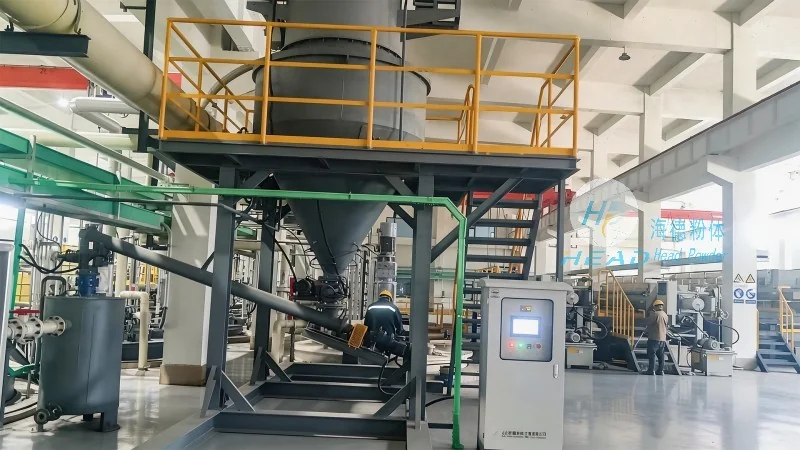
Working Principle: How Airflow Transports Flower Bio-materials
The working principle of a pneumatic conveying system relies on the principles of fluid dynamics and air pressure. When the blower operates, it creates a pressure difference between the hopper and the receiver. This pressure difference causes the flower material to be lifted and carried along the conveyor line by the moving air. The material is suspended in the air stream, which allows it to travel through the system without direct contact with the conveyor components. This method is particularly effective for flower bio-materials, as it prevents damage to delicate petals or other components that could occur with mechanical conveyors. The airflow can be adjusted to control the speed and direction of the material, ensuring precise delivery to the intended location. Additionally, the system can be designed to handle different types of flower materials, such as petals, stems, or other byproducts, making it versatile for various applications in the flower processing industry.
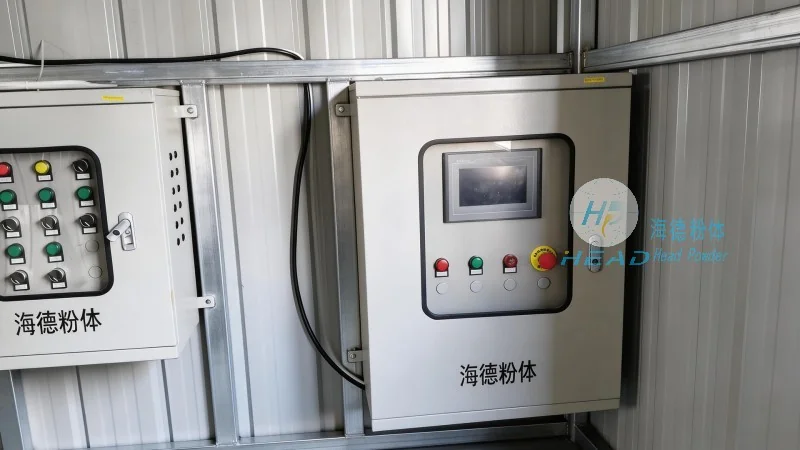
Benefits of Using Pneumatic Conveying Equipment for Flower Bio-materials
Implementing pneumatic conveying equipment for flower bio-materials offers numerous benefits that enhance operational efficiency and product quality. One of the primary advantages is the reduction in material loss and contamination. Unlike mechanical conveyors, which may cause friction and damage to the material, pneumatic systems use air to transport the material, minimizing the risk of breakage or degradation. This is particularly important for flower bio-materials, where maintaining the integrity of the product is essential for market value. Additionally, pneumatic conveying systems are more hygienic and easier to clean, which is crucial in food and flower processing industries where sanitation standards are high. The flexibility of the system allows for easy integration into existing production lines, and the ability to transport materials over long distances without the need for multiple transfer points reduces the complexity of the setup. Furthermore, the system can be automated, allowing for consistent and reliable operation, which helps in maintaining production schedules and meeting customer demands.
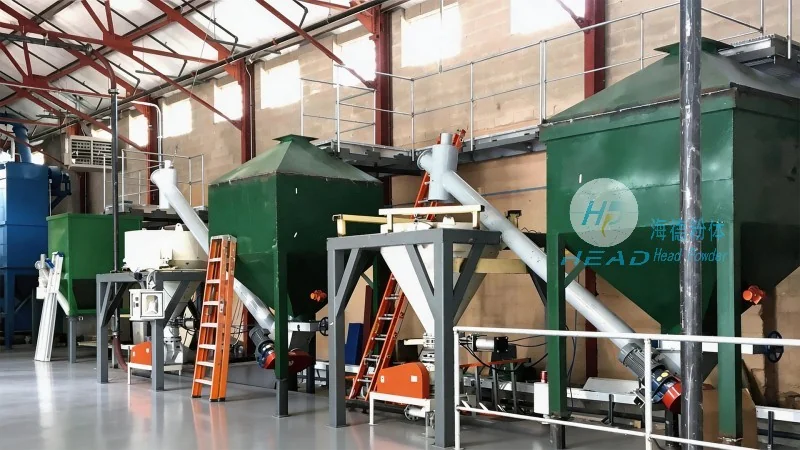
Applications in the Flower Processing Industry
Pneumatic conveying equipment is widely used in various applications within the flower processing industry. For example, it can be used to transport flower petals from a harvesting area to a processing facility, where they are sorted and packaged. It can also be used to move flower stems or other byproducts from one part of the plant to another, ensuring that all materials are utilized efficiently. In addition, the system can be used in the production of flower-based products, such as essential oils or extracts, where the material needs to be transported from the extraction equipment to storage or packaging areas. The versatility of the pneumatic conveying system makes it suitable for a wide range of flower processing tasks, from raw material handling to finished product delivery. By using this technology, flower processing companies can improve their operational efficiency, reduce costs, and enhance the quality of their products, ultimately leading to increased profitability and customer satisfaction.
Conclusion: Enhancing Efficiency with Pneumatic Conveying Technology
In conclusion, pneumatic conveying equipment for flower bio-materials is a vital technology that enhances the efficiency and quality of flower processing operations. By understanding the operation process and working principle of such systems, businesses can make informed decisions about implementing this technology in their facilities. The benefits of reduced material loss, improved hygiene, and increased operational efficiency make pneumatic conveying a preferred choice for many flower processing companies. As the demand for high-quality flower products continues to grow, the use of advanced material handling technologies like pneumatic conveying will become increasingly important in maintaining competitiveness in the market. For businesses looking to optimize their flower processing operations, investing in a well-designed pneumatic conveying system is a strategic move that can lead to long-term success and growth.