

Operation Process and Working Principle of a Pneumatic Conveying System for Coke Particle Materials
For industrial applications involving the transport of coke particle materials, a reliable and efficient pneumatic conveying system is essential. This article provides an in-depth look at the operation process and working principle of such equipment, highlighting the key components and mechanisms that enable smooth material handling. The system is designed to handle the unique characteristics of coke particles, ensuring minimal wear and optimal performance.
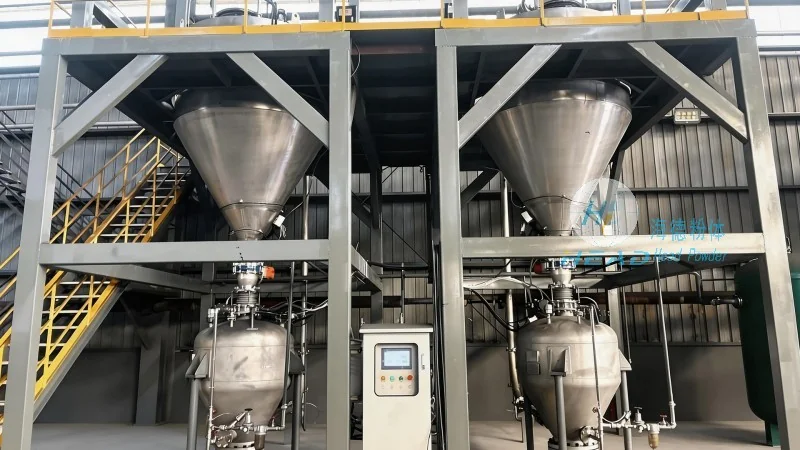
Overview of Pneumatic Conveying Systems for Coke Particle Materials
HeadPowder, a leading manufacturer based in Shandong, China, specializes in the design and production of advanced pneumatic conveying equipment tailored for coke particle applications. Our systems are engineered to meet the demanding requirements of modern industrial processes, offering high efficiency, low maintenance, and durability. The core of our solution is a system that integrates air flow management, material feeding, and delivery mechanisms to achieve seamless material transport.
Key Components and Their Functions
The pneumatic conveying system for coke particles typically consists of several critical components, each playing a vital role in the overall operation. These include the air compressor or blower, which generates the necessary air pressure to move the particles; the hopper or feeder, which stores and controls the material flow; the conveying line, which transports the particles through the system; and the discharge unit, which delivers the material to its final destination. Each component is carefully selected and configured to ensure compatibility with coke particles, which are known for their abrasive nature and varying particle sizes.
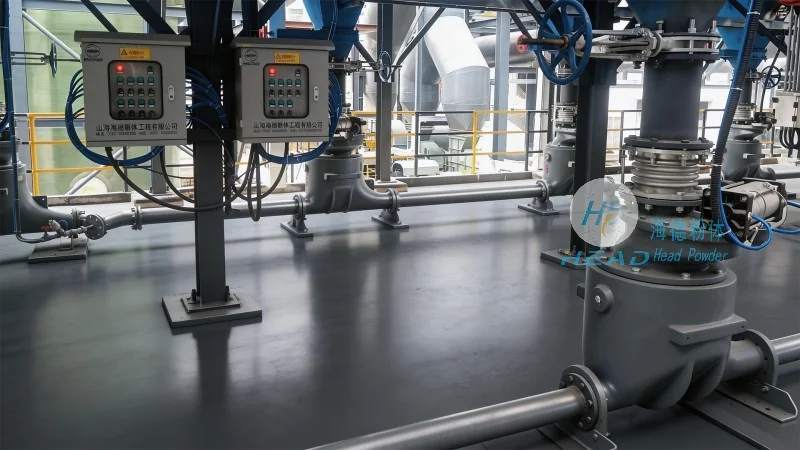
Working Principle: The Process of Material Transport
The operation of the pneumatic conveying system begins with the feeding of coke particles into the hopper. The feeder then regulates the flow rate, ensuring a consistent supply of material. Simultaneously, the air compressor generates high-pressure air, which is introduced into the conveying line. As the air flows through the line, it creates a low-pressure zone that draws the coke particles into the air stream. The combination of air and particles forms a dense mixture, which is then transported through the system. At the discharge point, the air is separated from the particles, and the particles are collected in the receiving container. The air is then either recirculated or vented, depending on the system design.
Advantages of Using Pneumatic Conveying for Coke Particle Materials
Implementing a pneumatic conveying system for coke particles offers several advantages over traditional methods like belt conveyors or bucket elevators. Firstly, it eliminates the need for physical contact between the particles and the conveying equipment, reducing wear and tear on both the particles and the machinery. This leads to lower maintenance costs and longer equipment lifespan. Secondly, the system is highly flexible, allowing for changes in material flow rates and delivery points without significant modifications. Thirdly, it provides a clean and dust-free environment, which is crucial for maintaining product quality and compliance with environmental regulations. Additionally, the system can handle a wide range of particle sizes and densities, making it suitable for various industrial applications.
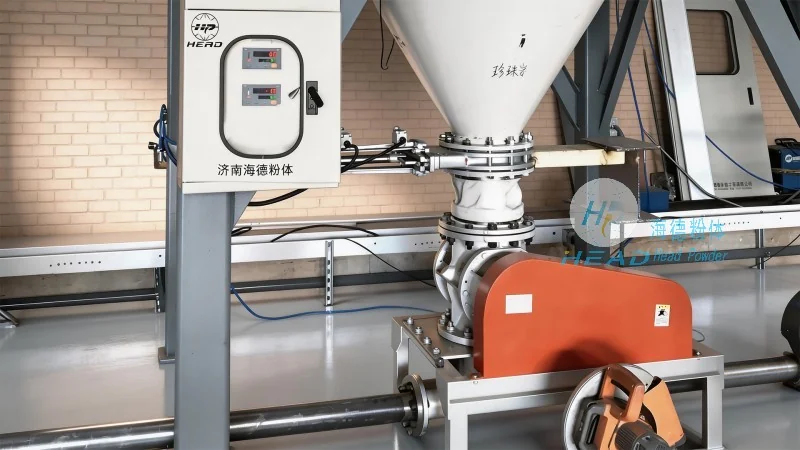
Application Examples and Industrial Use Cases
HeadPowder's pneumatic conveying systems for coke particles are widely used in industries such as steel production, where coke is a key raw material for blast furnaces. The system efficiently transports coke from storage silos to the furnace, ensuring a steady supply of material. In addition, the technology is applied in coal processing plants, where coke particles are conveyed from processing units to storage or shipping facilities. The system's ability to handle abrasive materials and maintain high throughput makes it an ideal choice for these applications. Furthermore, the system is used in chemical and petrochemical industries, where coke particles are part of the production process and need to be transported safely and efficiently.
Maintenance and Operational Considerations
To ensure the long-term performance and reliability of the pneumatic conveying system, regular maintenance is essential. This includes checking the air compressor for proper operation, inspecting the conveying line for blockages or wear, and cleaning the hopper and feeder to prevent material buildup. Additionally, monitoring the air pressure and flow rate is crucial to maintain optimal system performance. HeadPowder provides comprehensive maintenance services and technical support to help customers maximize the lifespan of their equipment and minimize downtime. By following proper operational guidelines and maintenance procedures, users can ensure the system operates at peak efficiency, delivering consistent performance and reliable material transport.