

Operation Process and Working Principle of Cement Fly Ash and Mineral Powder Pneumatic Conveying Equ
HeadPowder, a leading enterprise in the field of material handling solutions, specializes in the design, manufacturing, and supply of advanced pneumatic conveying systems. This article provides a detailed overview of the operation process and working principle of their cement fly ash and mineral powder pneumatic conveying equipment, highlighting the efficiency and reliability of the technology used in industrial applications.
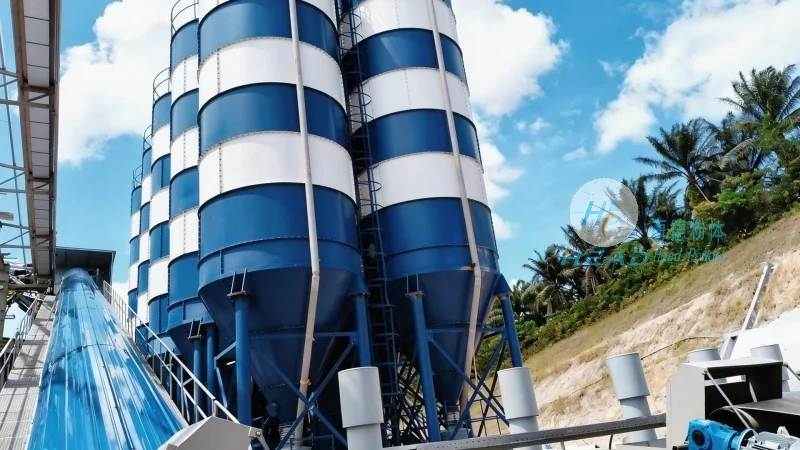
Introduction to Pneumatic Conveying Systems
Pneumatic conveying systems are essential for the efficient transport of bulk materials such as cement, fly ash, and mineral powders over short to medium distances. These systems utilize air or gas as the conveying medium to move materials from one location to another, eliminating the need for mechanical components like belts or buckets. The technology is widely adopted in industries like cement, mining, and construction due to its flexibility, low maintenance requirements, and ability to handle a variety of material types.
Key Components of the Pneumatic Conveying Equipment
The pneumatic conveying equipment from Shandong HeadPowder Engineering Co., Ltd. consists of several critical components that work in tandem to ensure smooth material transport. These include the hopper for material storage, the feeder to control the flow rate, the conveying line where the material is transported, the filter system to remove dust, and the air compressor that generates the necessary air pressure. Each component is designed to handle the specific characteristics of cement fly ash and mineral powders, ensuring optimal performance and minimal material degradation.
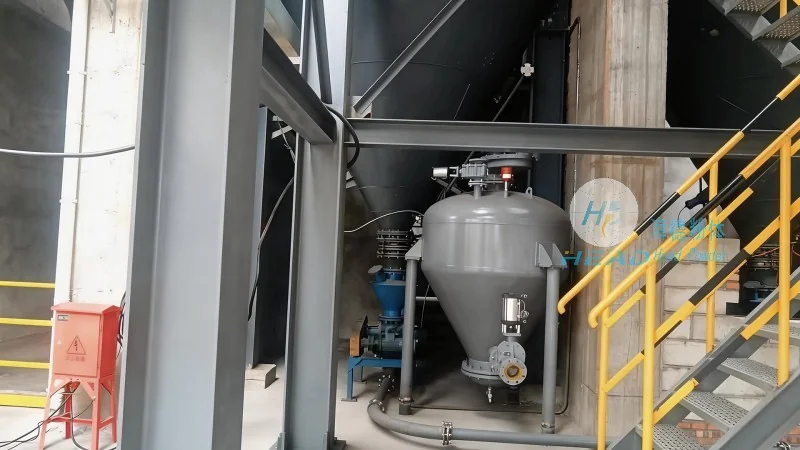
Operation Process of the Equipment
The operation process of the pneumatic conveying equipment begins with the loading of cement fly ash and mineral powders into the hopper. The feeder then regulates the material flow, ensuring a consistent and controlled discharge into the conveying line. The air compressor generates high-pressure air, which is introduced into the conveying line, creating a flow that propels the material particles through the system. As the material travels, it passes through the filter system, which captures any fine particles and returns them to the hopper for reprocessing. The clean air is then released back into the environment, while the conveyed material is deposited at the destination point.
Working Principle of the Pneumatic Conveying System
The working principle of the pneumatic conveying system is based on the principle of fluidization and drag. The air compressor provides a constant flow of air, which creates a pressure differential between the hopper and the discharge point. This pressure difference causes the material to be entrained by the air stream and transported through the conveying line. The system operates in either positive or negative pressure modes, depending on the application. In positive pressure systems, the conveying line is pressurized, while in negative pressure systems, the line is maintained at a lower pressure than the ambient environment. The choice of mode depends on factors such as the distance to be covered and the material's properties.
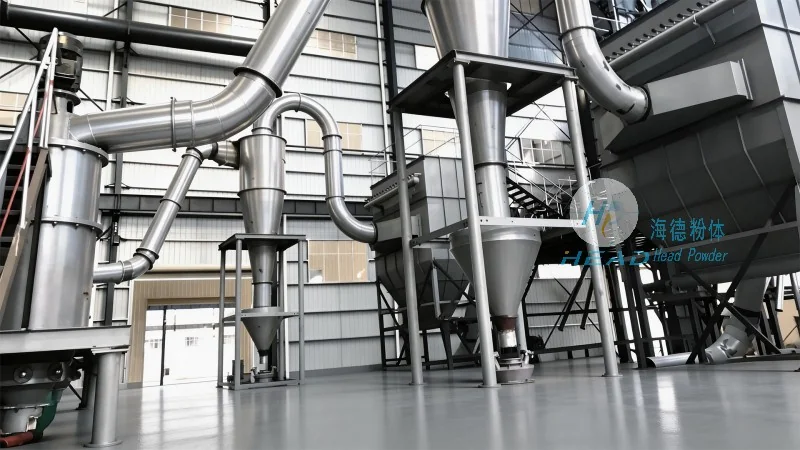
Advantages of Using Pneumatic Conveying Equipment
There are several advantages to using pneumatic conveying equipment for transporting cement fly ash and mineral powders. One of the primary benefits is the ability to handle materials that are difficult to transport using traditional methods, such as those with high moisture content or abrasive properties. The system also reduces the risk of material contamination and dust exposure, as the material is contained within the conveying line. Additionally, the equipment is highly flexible, allowing for changes in the conveying route or material flow rate without significant modifications. The low maintenance requirements and long service life of the components also contribute to the overall cost-effectiveness of the system.
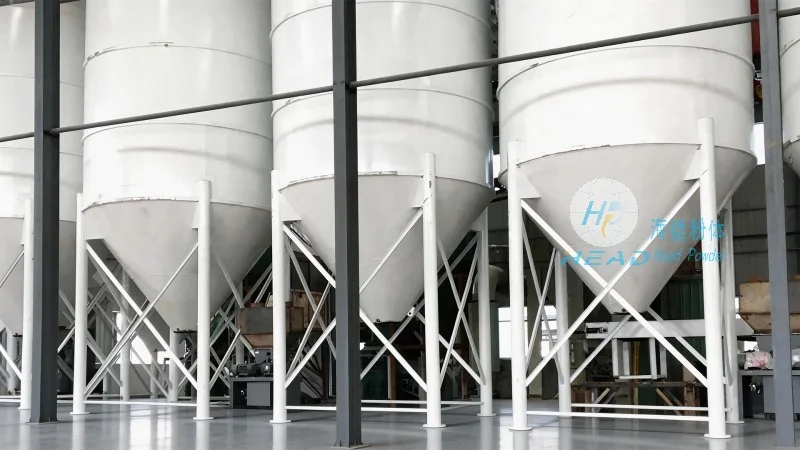
Applications in Industrial Settings
The pneumatic conveying equipment from Shandong HeadPowder Engineering Co., Ltd. is widely used in various industrial settings, including cement plants, mining operations, and construction sites. In cement plants, the equipment is used to transport raw materials and finished products, such as cement and fly ash, between different processing stages. In mining operations, it is used to transport ore and mineral powders from the extraction site to processing facilities. In construction sites, the equipment is used to transport cement and other building materials to different locations on the site. The versatility of the system makes it suitable for a wide range of applications, ensuring efficient material handling in diverse industrial environments.
Conclusion
HeadPowder's pneumatic conveying equipment for cement fly ash and mineral powders is a reliable and efficient solution for material transport in industrial applications. The operation process and working principle of the equipment are designed to ensure optimal performance, minimal material degradation, and low maintenance requirements. With its ability to handle a variety of material types and its flexibility in operation, the system is an essential component in modern material handling solutions. Shandong HeadPowder Engineering Co., Ltd. continues to innovate and improve its products to meet the evolving needs of the industry, providing high-quality equipment that enhances the efficiency and productivity of industrial operations.