

Operation Process and Working Principle of Pneumatic Conveying Equipment for Anhydrous Sodium Sulfat
Pneumatic conveying technology has become a cornerstone in the handling of bulk materials, particularly for anhydrous sodium sulfate, a widely used chemical in industries such as glass manufacturing, detergents, and water treatment. The efficiency and reliability of pneumatic systems in transporting this material have made them indispensable in modern material handling operations. This article delves into the operation process and working principle of specialized pneumatic conveying equipment designed for anhydrous sodium sulfate, highlighting how it addresses the unique challenges associated with this material's properties.
Company Overview: Shandong HeadPowder Engineering Co., Ltd.
HeadPowder, a leading engineering firm based in Shandong, China, specializes in the design, manufacturing, and installation of advanced material handling solutions. With a strong focus on innovation and customer-centric service, HeadPowder has established itself as a trusted partner for industries requiring efficient and reliable bulk material transport systems. The company's expertise in pneumatic conveying technology, combined with its deep understanding of material characteristics like anhydrous sodium sulfate, enables it to deliver tailored solutions that meet specific operational needs.
Working Principle of the Pneumatic Conveying System
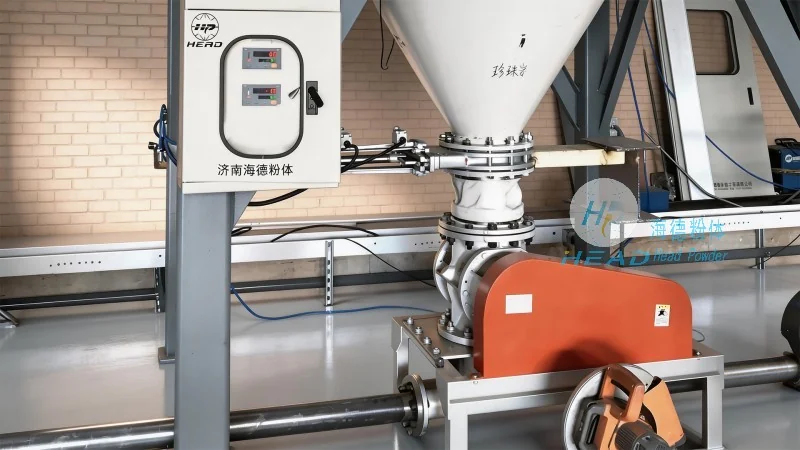
The core of the pneumatic conveying system for anhydrous sodium sulfate is the transfer of material through a pressurized or vacuum environment. The system operates on the principle of using air or gas to move the material along a pipeline. For anhydrous sodium sulfate, which is typically a fine or granular powder, a positive pressure system is often preferred due to its ability to handle the material's flow characteristics effectively. The system comprises several key components, including a material feeder, a conveying pipeline, a separation and collection unit, and a fan or blower that generates the necessary air pressure.
Operation Process of the Equipment
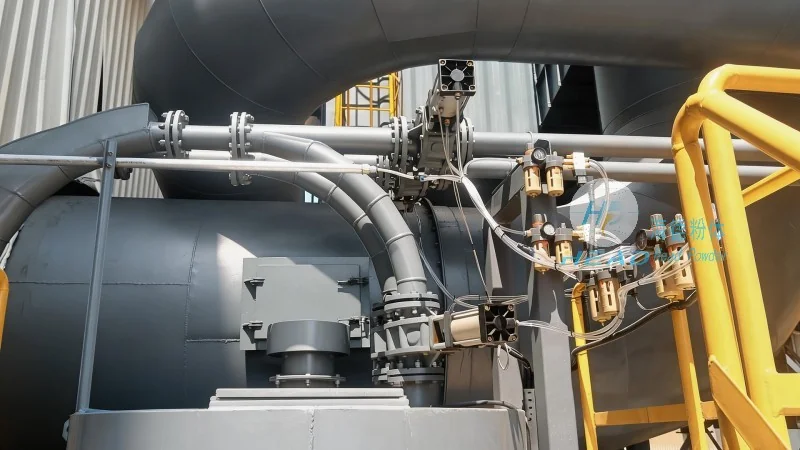
The operation of the pneumatic conveying equipment for anhydrous sodium sulfate follows a systematic sequence to ensure safe and efficient material transport. The process begins with the preparation phase, where the material is loaded into the hopper of the feeder. The feeder then controls the flow rate of the anhydrous sodium sulfate into the conveying pipeline. Simultaneously, the fan or blower starts, creating a pressure differential that propels the material through the pipeline. As the material travels, it is mixed with the air stream, and the combination moves towards the destination point, such as a storage silo or processing unit. The system continues to operate until the material is fully transferred, after which the fan is shut down, and the feeder is stopped to prevent material backflow.
Key Components and Their Functions
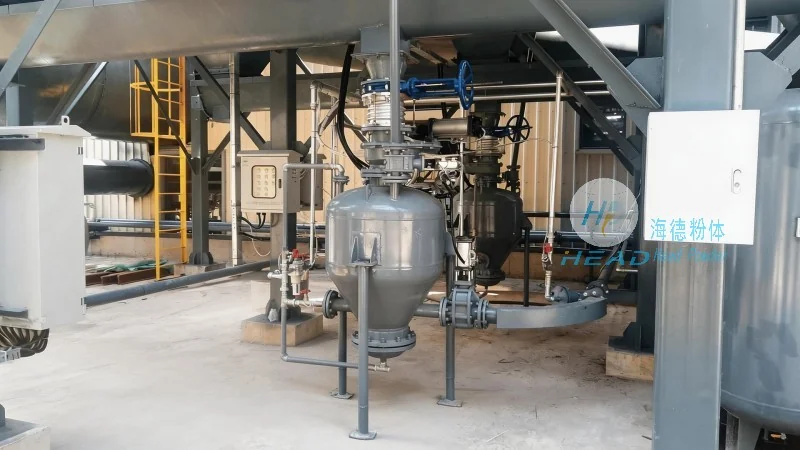
Each component of the pneumatic conveying system plays a critical role in the successful transport of anhydrous sodium sulfate. The material feeder, often a rotary valve or a screw feeder, ensures a consistent and controlled feed rate, preventing blockages and maintaining system efficiency. The conveying pipeline, typically made of stainless steel or other corrosion-resistant materials, is designed to withstand the abrasive nature of the anhydrous sodium sulfate and the pressure generated by the system. The separation and collection unit, which may include a cyclone separator or a bag filter, removes the material from the air stream, allowing the air to be recycled or vented safely. The fan or blower provides the necessary air pressure and flow rate, with its capacity adjusted based on the material's characteristics and the system's layout.
Advantages of This Conveying Solution
The pneumatic conveying system for anhydrous sodium sulfate offers several advantages over traditional methods like belt conveyors or bucket elevators. One of the primary benefits is the ability to transport the material in a closed system, which minimizes dust emissions and improves workplace safety. This is particularly important for anhydrous sodium sulfate, which can generate fine particles that are hazardous if inhaled. Additionally, the system is highly flexible, allowing for changes in the material flow rate and direction without significant modifications to the equipment. The closed system also reduces material loss and contamination, ensuring product quality is maintained throughout the transport process. Furthermore, the system's compact design and low maintenance requirements make it an economical choice for industries looking to optimize their material handling operations.