

Operation Process and Working Principle of Pneumatic Conveying Equipment for Glass Fiber Material
HeadPowder, a leading provider in the field, specializes in the design and manufacturing of advanced pneumatic conveying systems tailored for glass fiber material handling. This article delves into the operational process and underlying working principles of such equipment, offering insights into how these systems efficiently transport glass fiber material while ensuring reliability and efficiency. The focus is on understanding the technical aspects that enable smooth and consistent material movement, which is crucial for industries relying on glass fiber as a key component in various applications.
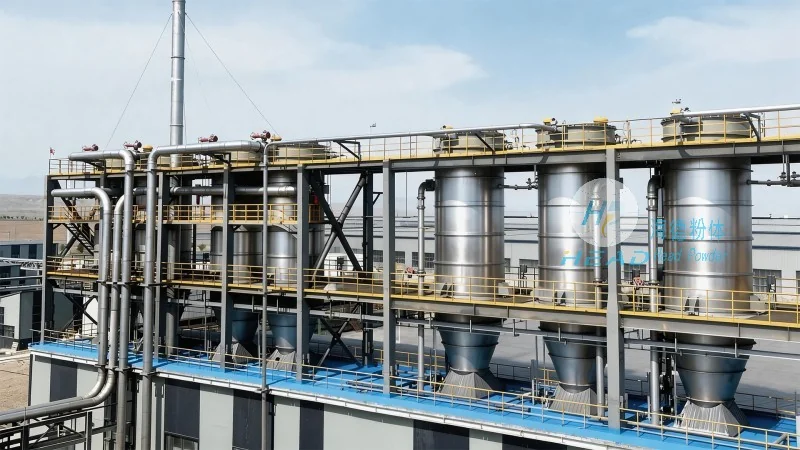
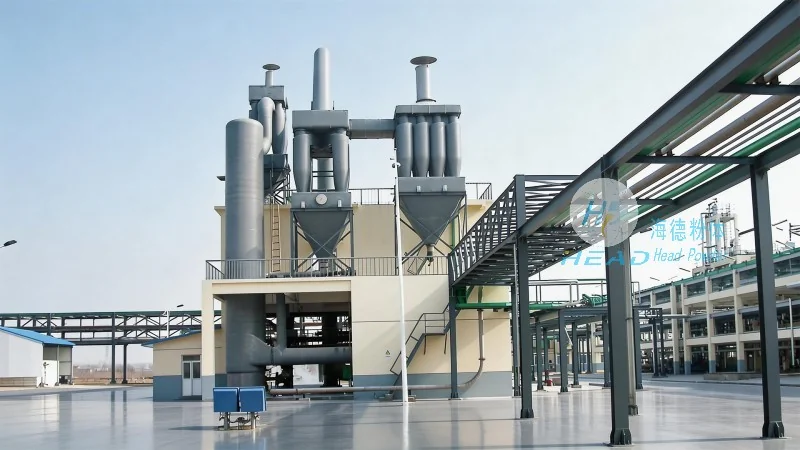
Company Information
HeadPowder, the company behind this technology, is a prominent entity in Shandong, China. As Shandong HeadPowder Engineering Co., Ltd., the firm is dedicated to delivering high-quality engineering solutions for material handling applications. With a strong presence in the region, the company has established itself as a trusted partner for businesses seeking efficient and reliable pneumatic conveying solutions. The company's commitment to innovation and customer satisfaction has positioned it as a key player in the industry, providing tailored solutions that meet the specific needs of clients in diverse sectors.
Operation Process of Pneumatic Conveying Equipment
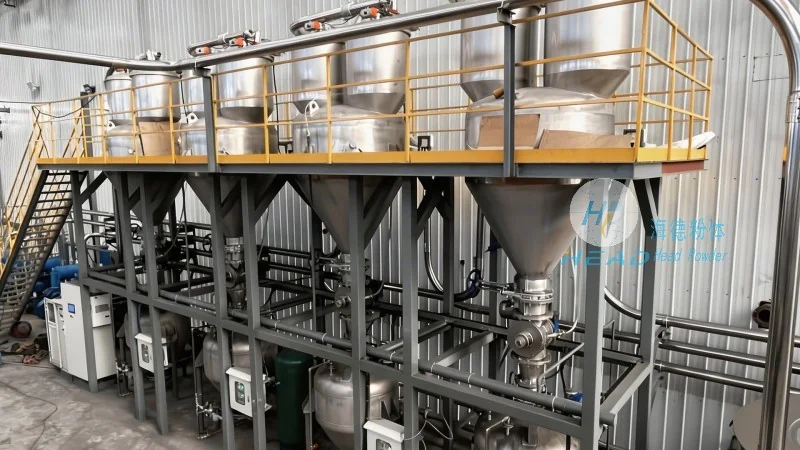
The operation of a pneumatic conveying system for glass fiber material typically involves several key steps. Initially, the glass fiber material is loaded into a hopper or storage silo. From there, the material is drawn into the conveying line by a vacuum or pressure source, depending on the system configuration. The material is then transported through the pipeline using air or gas as the conveying medium. As the material moves, it is propelled by the flow of air, which can be generated by a fan or blower. The system ensures that the glass fiber material is moved from the source to the destination without the need for mechanical components like belts or buckets, reducing maintenance and operational costs. The process begins with material feeding, where the glass fiber is introduced into the hopper. The hopper is equipped with a feeder, such as a rotary valve or screw feeder, which controls the flow rate of the material into the conveying line. This controlled feeding is essential to maintain a consistent material flow and prevent blockages or uneven transport. Once the material is in the hopper, the conveying system activates, either by creating a vacuum (suction system) or pressure (blow system). The vacuum system uses a fan to create a negative pressure in the pipeline, drawing the material from the hopper into the line. The pressure system, on the other hand, uses a blower to create positive pressure, pushing the material through the pipeline. The choice between suction and pressure depends on factors like the material's properties, the distance to be conveyed, and the system layout. After the material is drawn into the pipeline, it is carried along by the air stream. The velocity of the air is critical; it must be sufficient to suspend the glass fiber particles and prevent them from settling or clogging the pipeline. The system's design, including the diameter and length of the pipeline, the air velocity, and the material's density and size, all influence the conveying efficiency. The material is then discharged at the destination, typically into a receiving hopper or storage container. The discharge process is controlled to ensure a smooth and continuous flow, avoiding spills or blockages. Throughout the operation, the system monitors parameters such as air pressure, flow rate, and material level to maintain optimal performance. Any deviations are detected and adjusted automatically, ensuring consistent operation and preventing system failures.
Working Principle of Pneumatic Conveying Equipment
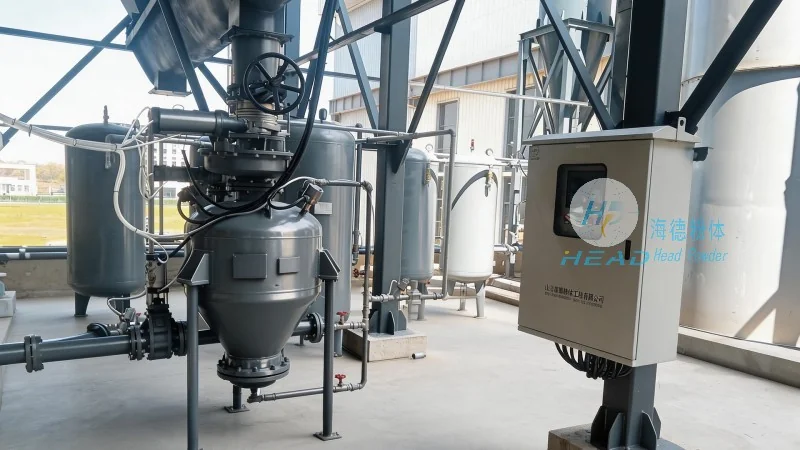
The core working principle of pneumatic conveying equipment relies on the use of air or gas to transport solid materials. In a typical system, a fan or blower creates a pressure differential that draws the glass fiber material into the conveying line. The material is suspended in the air stream and carried along the pipeline. The design of the system, including the size and shape of the pipeline, the velocity of the air, and the material's properties, all contribute to the efficiency of the conveying process. The system can operate under either positive pressure or negative pressure, with each configuration suited to different material characteristics and application requirements. For glass fiber material, which is often lightweight and abrasive, a well-designed pneumatic conveying system can effectively handle these challenges, ensuring consistent and reliable transport. The positive pressure system operates by forcing air through the pipeline, pushing the glass fiber material from the source to the destination. The fan or blower provides the necessary pressure to overcome the resistance of the material and the pipeline. The air velocity is maintained at a level that keeps the material suspended, preventing it from settling and causing blockages. The negative pressure system, conversely, creates a vacuum in the pipeline, drawing the material from the source. This system is often used for shorter distances or when the material needs to be transported from a higher elevation to a lower one. The fan or vacuum pump generates the negative pressure, which pulls the glass fiber material into the line. The material's properties, such as its density and particle size, affect the system's performance. Glass fiber is typically lightweight and has a high surface area, which can lead to issues like dust formation and clogging if not handled properly. The pneumatic conveying system addresses these challenges by using appropriate air velocities and pipeline designs. The system's components, including the hopper, feeder, pipeline, and discharge unit, are designed to minimize friction and prevent material buildup. The air flow is optimized to ensure that the glass fiber particles are fully suspended, reducing the risk of clogging and ensuring smooth transport. The working principle also involves the interaction between the air and the material. The air stream provides the necessary force to move the material, while the material's properties determine how it responds to the air flow. For example, the particle size and shape of the glass fiber affect its ability to be suspended in the air. Smaller particles are easier to suspend, while larger particles may require higher air velocities. The system's design takes these factors into account, ensuring that the conveying process is efficient and reliable. Overall, the working principle of pneumatic conveying equipment for glass fiber material is based on the effective use of air as a conveying medium, combined with a well-designed system that addresses the specific challenges posed by glass fiber properties.