

Operation Process and Working Principle of Cotton Fiber Material Pneumatic Conveying Lines
HeadPowder, a leading engineering company based in Shandong, China, specializes in the design, manufacturing, and installation of advanced pneumatic conveying systems for various industrial applications. This article provides a detailed overview of the operation process and working principle of cotton fiber material pneumatic conveying lines, highlighting the technical aspects and practical applications of these systems.
Introduction to Cotton Fiber Material Pneumatic Conveying Lines
Cotton fiber material pneumatic conveying lines are sophisticated systems used to transport cotton fibers and related materials through a pipeline using air or gas as the conveying medium. These systems are widely utilized in the textile industry, particularly in cotton processing facilities, where efficient and reliable material handling is crucial for maintaining production efficiency and product quality. The design and operation of such systems involve careful consideration of material properties, system pressure, and air flow dynamics to ensure optimal performance.
Working Principle of Pneumatic Conveying Systems
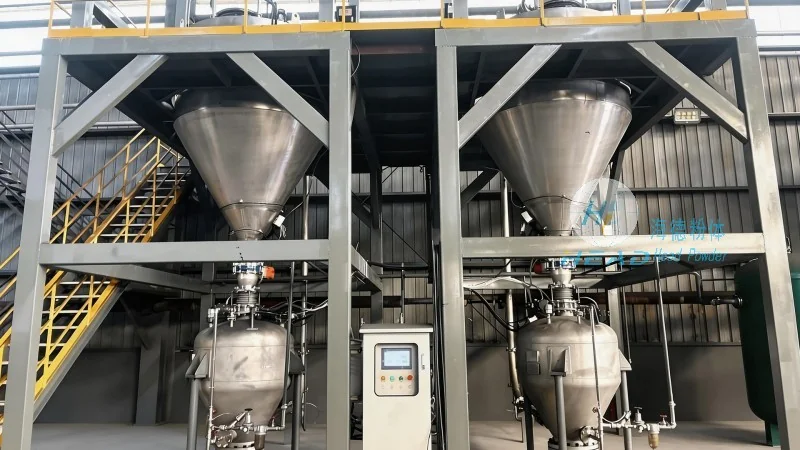
The core working principle of pneumatic conveying systems is based on the use of compressed air or gas to create a flow that propels the material through the pipeline. In the case of cotton fiber materials, which are typically lightweight and dusty, the system must be designed to handle these characteristics effectively. The process generally involves several key components: a material feed hopper, a conveying pipeline, a pressure or vacuum source, and a discharge point. The material is introduced into the system from the hopper, where it is then entrained by the moving air stream and transported to the destination point.
Key Components and Their Functions
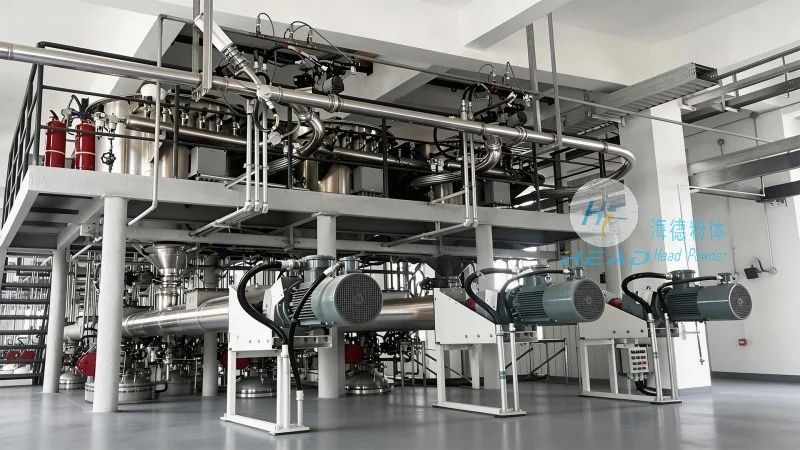
Several critical components make up a cotton fiber material pneumatic conveying line. The material feed hopper is responsible for storing and feeding the cotton fibers into the system. It is typically equipped with a valve or gate to control the flow rate of the material. The conveying pipeline is made of materials that are resistant to abrasion and corrosion, such as stainless steel or special plastic composites, to withstand the abrasive nature of cotton fibers. The pressure or vacuum source, often a blower or compressor, generates the necessary air flow to move the material. The discharge point, which may include a cyclone separator or a filter, is used to separate the material from the air stream and collect it in a storage bin or processing unit.
Operation Process of the System
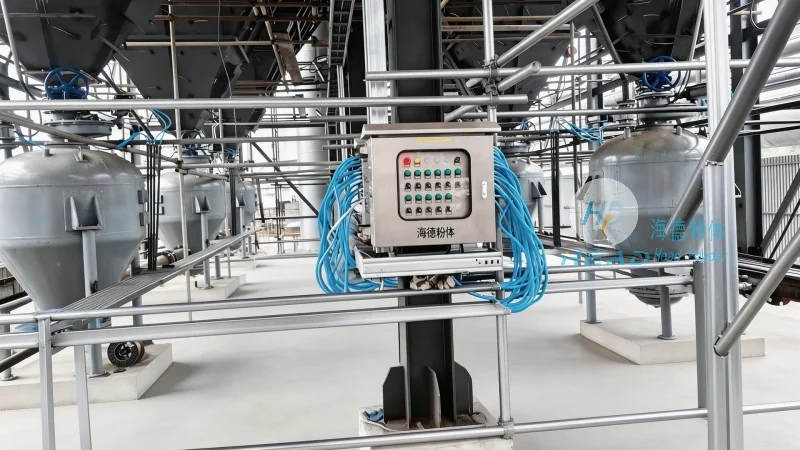
The operation process of a cotton fiber material pneumatic conveying line involves several sequential steps. First, the system is initiated by opening the material feed valve, which allows the cotton fibers to enter the conveying pipeline. Simultaneously, the pressure source is activated, generating a steady flow of air that entrains the material. As the material travels through the pipeline, it is carried by the air stream to the discharge point. At the discharge end, a cyclone separator or filter separates the cotton fibers from the air, collecting the material in a collection bin. The air, now free of material particles, is either vented to the atmosphere or recirculated back to the system, depending on the design. The entire process is controlled by a series of sensors and control valves that monitor pressure, flow rate, and material level, ensuring smooth and continuous operation.
Advantages of Pneumatic Conveying for Cotton Fiber Materials
There are several advantages to using pneumatic conveying systems for cotton fiber materials. One of the primary benefits is the ability to transport materials over long distances without the need for intermediate transfer points or manual handling. This reduces labor costs and minimizes the risk of material contamination or loss. Additionally, pneumatic conveying systems are relatively compact and can be integrated into existing production lines, making them a space-efficient solution. The systems also offer high material handling capacity and can operate continuously, improving overall production throughput. Furthermore, the enclosed nature of the system prevents dust and fiber particles from escaping into the environment, enhancing workplace safety and compliance with environmental regulations.
Considerations for Design and Installation
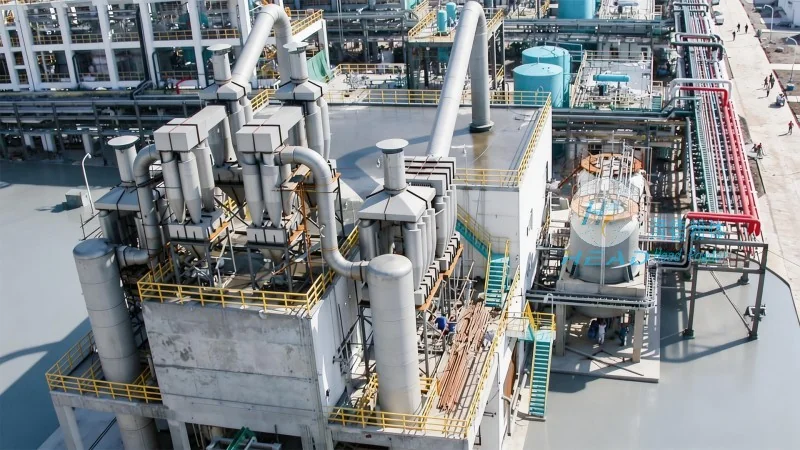
When designing and installing a cotton fiber material pneumatic conveying line, several factors must be considered to ensure optimal performance and longevity. The first consideration is the material properties of the cotton fibers, including their density, moisture content, and abrasiveness. These properties affect the system's pressure requirements and the choice of pipeline material. The second consideration is the distance and elevation changes between the feed and discharge points, as these factors influence the required air flow rate and pressure. The third consideration is the system's capacity, which must be matched to the production requirements of the facility. Proper maintenance and regular inspections are also crucial to prevent system failures and ensure consistent performance.
Applications in the Textile Industry
Cotton fiber material pneumatic conveying lines are widely used in various applications within the textile industry. These include the transport of raw cotton from storage silos to processing machines, the movement of cotton fibers between different stages of processing, such as carding and spinning, and the transfer of finished products or waste materials. The systems are also used in cotton cleaning and blending operations, where the material needs to be mixed with other fibers or chemicals. In each of these applications, the pneumatic conveying system provides a reliable and efficient means of material handling, contributing to the overall productivity and quality of the textile production process.