

Operation Process and Working Principle of Metallurgical Coke Material Pneumatic Conveying Line
Metallurgical coke, a critical raw material in steel production, requires efficient and reliable transportation systems to ensure smooth industrial operations. The pneumatic conveying line for metallurgical coke is a sophisticated solution that combines advanced engineering with robust material handling capabilities. This system is designed to transport coke from storage silos or stockpiles to processing units, such as blast furnaces or coke ovens, with minimal loss and maximum efficiency.
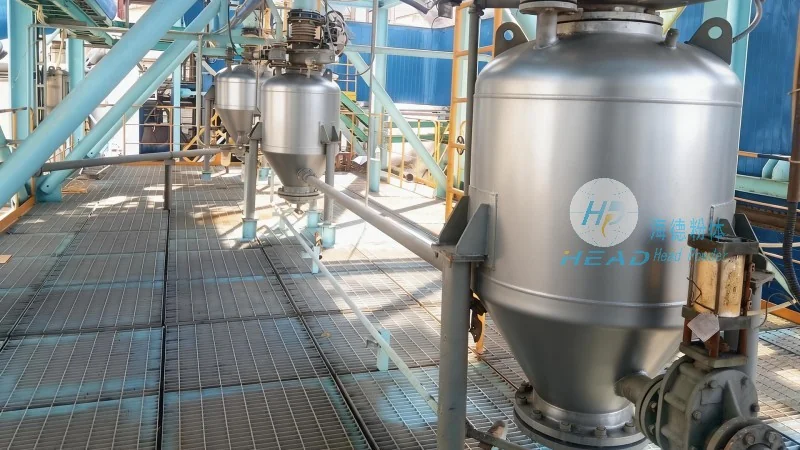
Company Overview: HeadPowder Engineering
HeadPowder Engineering, a leading provider of industrial material handling solutions, specializes in designing and manufacturing pneumatic conveying systems tailored to the unique needs of metallurgical industries. With a strong presence in Shandong, China, the company leverages decades of expertise to deliver high-performance equipment that meets stringent operational standards. HeadPowder Engineering's commitment to quality and innovation has established it as a trusted partner for clients seeking reliable coke handling solutions.
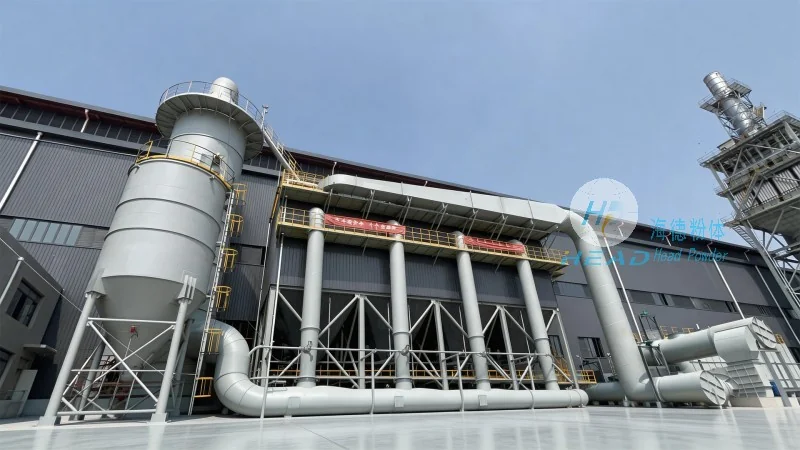
Key Components of the Pneumatic Conveying Line
The pneumatic conveying system for metallurgical coke typically consists of several core components that work in tandem to achieve efficient material transport. These components include the hopper or storage silo, which stores the coke; the feeder, which controls the flow rate of coke into the system; the conveying pipeline, which transports the material under pressure; the receiver or discharge unit, where the coke is deposited; and the air compressor or blower, which provides the necessary airflow. Each component is engineered to handle the specific characteristics of metallurgical coke, such as its density, moisture content, and abrasiveness, ensuring optimal performance and longevity.
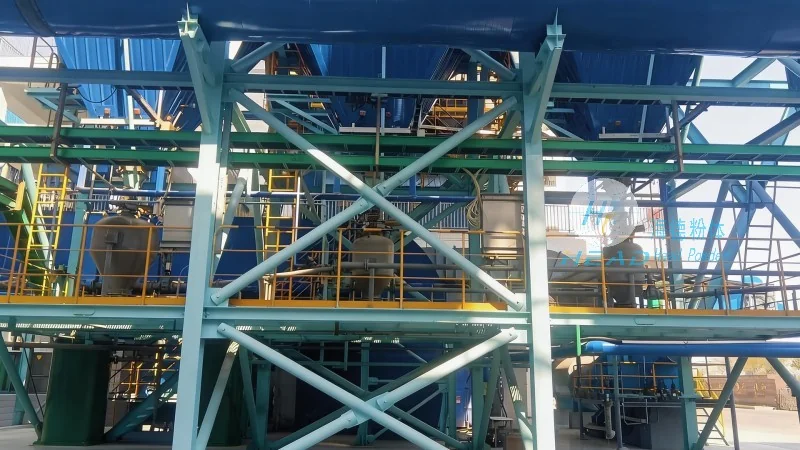
Working Principle of the Pneumatic Conveying Process
The operation of the metallurgical coke pneumatic conveying line is based on the principle of pneumatic transport, where solid materials are carried by a moving air stream. The process begins with the coke being fed from the storage hopper into the feeder. The feeder then regulates the flow of coke into the conveying pipeline, where it is mixed with compressed air. The air, typically supplied by a high-pressure blower or compressor, creates a low-pressure zone in the pipeline, drawing the coke particles along with it. As the mixture travels through the pipeline, the air velocity is maintained at a level sufficient to keep the coke in suspension, preventing blockages and ensuring smooth transport. The receiving unit at the end of the pipeline separates the coke from the air, allowing the coke to be discharged into the processing equipment, while the air is either filtered and recirculated or vented to the atmosphere.
Operation Process: Step-by-Step Overview
The operation of the metallurgical coke pneumatic conveying line follows a systematic sequence of steps to ensure consistent and reliable performance. First, the storage hopper is filled with metallurgical coke, and the system is prepared for operation. The feeder is then activated to start the flow of coke into the conveying pipeline. The air compressor is turned on, providing the necessary airflow to transport the coke. As the coke moves through the pipeline, the system monitors pressure and flow rates to maintain optimal conditions. The receiving unit collects the coke, which is then transferred to the next stage of the production process. The system continues to operate until the desired amount of coke has been transported, after which it can be shut down or adjusted for different operational requirements. This step-by-step process ensures that the conveying line operates efficiently, with minimal downtime and maximum material throughput.
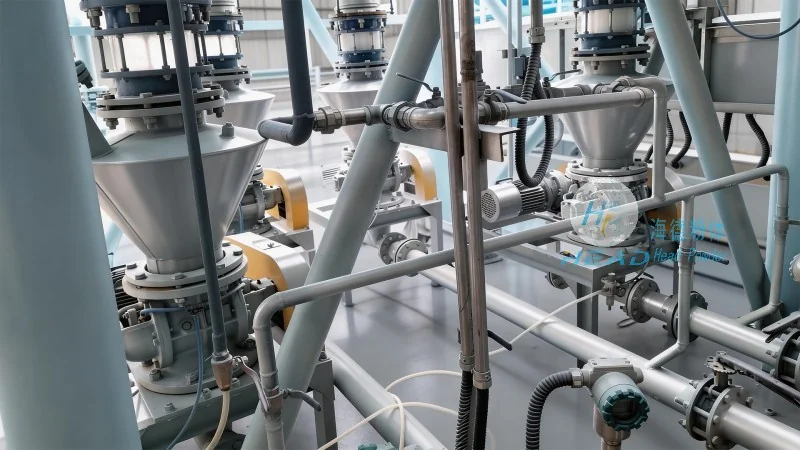
Advantages of Pneumatic Conveying for Metallurgical Coke
Compared to traditional conveyor systems, the pneumatic conveying line for metallurgical coke offers several advantages that make it a preferred choice in modern steel production. One of the key benefits is the ability to transport coke over long distances without the need for intermediate transfer points, reducing the risk of material loss and contamination. The system also provides a closed environment, which helps to prevent dust emissions and maintain a clean working environment. Additionally, pneumatic conveying allows for precise control over the flow rate and pressure, ensuring consistent material delivery to the processing units. The robust design of the equipment, including corrosion-resistant materials and wear-resistant components, enhances the system's durability and reduces maintenance requirements. Overall, the pneumatic conveying line for metallurgical coke is a cost-effective and efficient solution that improves operational efficiency and product quality.