

Operation Process and Working Principle of Sodium Fluorosilicate Material Pneumatic Conveying Machin
For industrial applications involving the handling of sodium fluorosilicate, an efficient and reliable material conveying system is crucial. The pneumatic conveying machine, specifically designed for sodium fluorosilicate, plays a vital role in ensuring smooth material transport from storage to processing units. This article delves into the operation process and working principle of such a system, highlighting its key components, operational steps, and the technical aspects that contribute to its effectiveness.
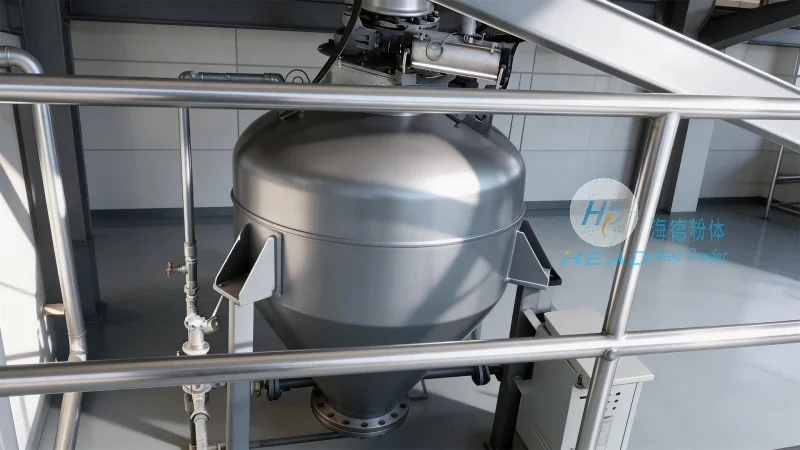
Key Components of the Pneumatic Conveying System
The pneumatic conveying machine for sodium fluorosilicate typically consists of several essential components that work in tandem to facilitate material transport. These include the hopper, which serves as the material storage and feeding unit; the air compressor or blower, responsible for generating the necessary air pressure to move the material; the pipeline system, which channels both the material and air; and the control system, which regulates the flow and pressure to maintain optimal operation. Each component is carefully designed to handle the specific characteristics of sodium fluorosilicate, such as its particle size, density, and flowability, ensuring efficient and safe conveying.
Operation Process of the Pneumatic Conveying Machine
The operation process of the sodium fluorosilicate pneumatic conveying machine begins with the loading of material into the hopper. The material is then fed into the pipeline system as air is introduced by the compressor. The air flow, combined with the material, creates a mixture that travels through the pipeline to the destination point, such as a silo or processing equipment. The control system monitors the pressure and flow rates, adjusting them as needed to maintain consistent material delivery. This process ensures that sodium fluorosilicate is transported without blockages or degradation, maintaining the material's quality and integrity throughout the conveying process.
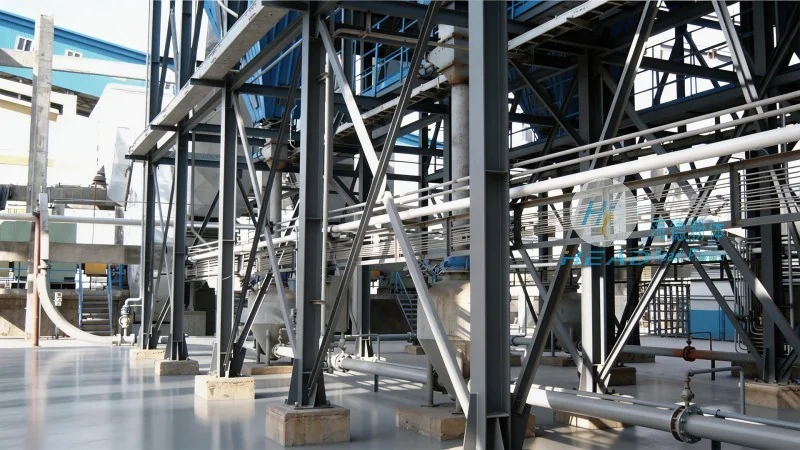
Working Principle of the Pneumatic Conveying System
The working principle of the pneumatic conveying machine for sodium fluorosilicate is based on the principle of fluidization and pneumatic transport. When air is introduced into the pipeline at a sufficient velocity, it lifts and transports the material particles. The air flow creates a low-pressure zone that draws the material into the pipeline, while the velocity of the air ensures that the particles remain suspended and move along the pipeline. The system utilizes positive pressure or negative pressure (or a combination of both) to achieve the desired conveying effect, depending on the specific application and material characteristics. The design of the pipeline, including the use of bends, elbows, and filters, is critical to prevent material buildup and ensure smooth operation.
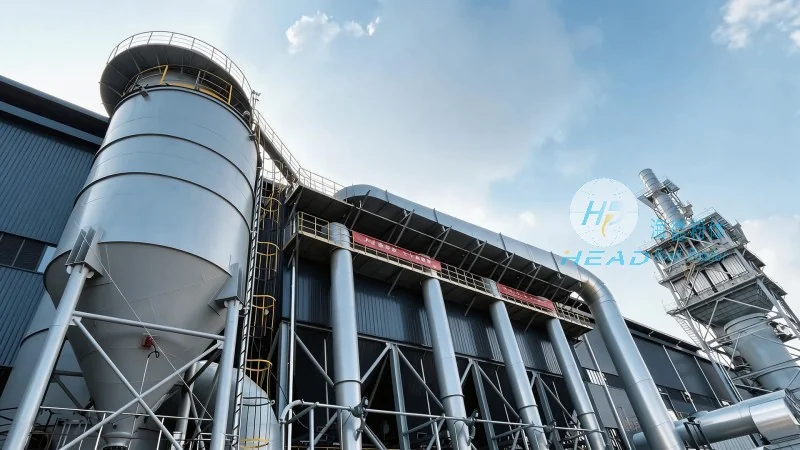
Benefits of Using a Pneumatic Conveying Machine for Sodium Fluorosilicate
Implementing a pneumatic conveying system for sodium fluorosilicate offers several advantages over traditional methods like belt conveyors or bucket elevators. These benefits include reduced material handling time, improved safety by minimizing manual handling, and enhanced material quality by preventing contamination and degradation. The system also allows for flexible and scalable operations, adapting to varying production demands. Additionally, the use of a pneumatic conveying machine can lead to cost savings by reducing labor costs and minimizing material loss during transport.
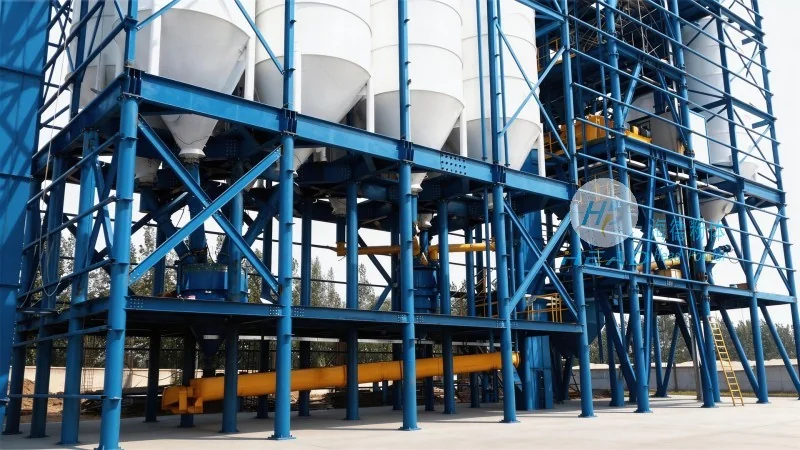
Application Scenarios and Considerations
The sodium fluorosilicate pneumatic conveying machine is widely used in various industrial applications, including chemical manufacturing, mining, and food processing. In chemical manufacturing, it is used to transport raw materials to reactors and finished products to storage facilities. In mining operations, it helps in transporting ore and byproducts. The choice of system design depends on factors such as the material's properties, the distance to be conveyed, and the required flow rate. Proper maintenance and regular inspections are essential to ensure the longevity and efficiency of the system. By adhering to best practices in operation and maintenance, users can maximize the performance and lifespan of the pneumatic conveying machine.
Conclusion
In conclusion, the operation process and working principle of the sodium fluorosilicate material pneumatic conveying machine are critical to efficient industrial material handling. By understanding the key components, operational steps, and technical principles involved, users can optimize the system for their specific needs. The benefits of using such a system, including improved efficiency, safety, and material quality, make it a preferred choice in many industrial applications. As technology advances, further innovations in pneumatic conveying systems are expected to enhance their performance and adaptability, ensuring their continued relevance in modern industrial operations.