

Operation Process and Working Principle of Glass-Blasted Bead Material Pneumatic Conveying Machine
HeadPowder, a leading manufacturer based in Shandong, China, specializes in advanced pneumatic conveying solutions tailored for glass-blasted bead materials. The company's expertise lies in developing efficient systems that ensure reliable material transport while maintaining product integrity. This article delves into the operational process and underlying principles of the glass-blasted bead pneumatic conveying machine, highlighting its design, functionality, and practical applications.
Key Components and System Overview
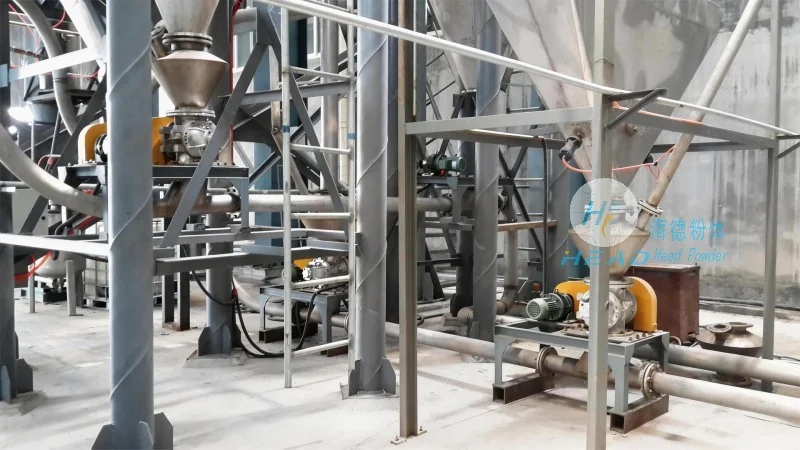
The glass-blasted bead pneumatic conveying machine consists of several critical components that work in harmony to facilitate material transport. The system typically includes a hopper for material storage, a rotary valve or feeder to control the flow rate, a conveying pipeline, a blower or air compressor to generate the necessary air pressure, and a receiver or discharge unit. Each component plays a vital role in ensuring smooth and efficient operation. The hopper is designed to hold the glass-blasted beads, providing a consistent feed to the feeder. The rotary valve or feeder regulates the amount of material entering the pipeline, preventing overloading and maintaining a steady flow. The blower or air compressor generates the air pressure required to move the beads through the pipeline. The conveying pipeline, often made of durable materials like stainless steel or plastic, is designed to withstand the pressure and abrasion from the beads. Finally, the receiver or discharge unit collects the material at the destination, completing the transport process.
Working Principle of the Pneumatic Conveying Process
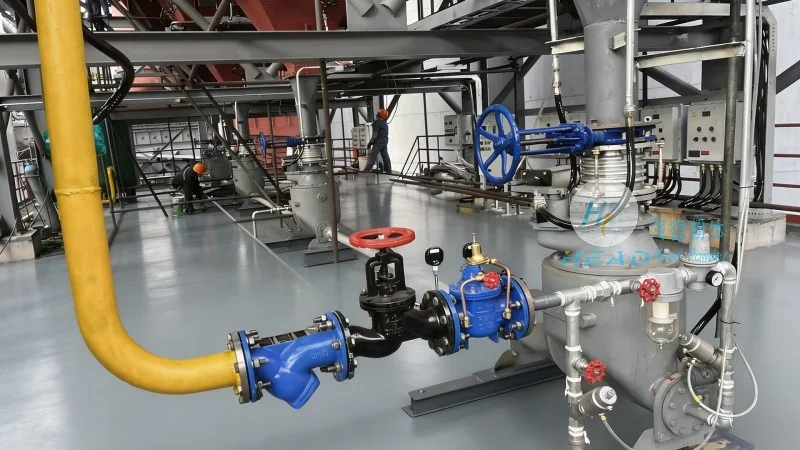
The working principle of the glass-blasted bead pneumatic conveying machine is based on the principle of pneumatic transport, where materials are moved through a pipeline using compressed air. The process begins with the material being fed from the hopper into the feeder. The feeder then controls the flow rate, ensuring a consistent supply of beads to the pipeline. The blower or air compressor generates high-pressure air, which is introduced into the pipeline. As the air flows through the pipeline, it creates a low-pressure zone that draws the glass-blasted beads into the air stream. The beads are then carried along the pipeline by the air current, moving towards the receiver or discharge unit. The velocity of the air and the size of the beads determine the efficiency of the transport. Proper air pressure and flow rate are crucial to prevent material degradation, blockages, or loss of product quality. The system is designed to handle various bead sizes and densities, making it versatile for different industrial applications.
Operation Process: Step-by-Step Guide
The operation of the glass-blasted bead pneumatic conveying machine follows a systematic process to ensure efficient material transport. The first step involves preparing the system by checking the hopper for sufficient material and ensuring the feeder is properly adjusted. Next, the blower or air compressor is started, and the air pressure is set to the appropriate level. The feeder is then activated to start the material flow. As the beads enter the pipeline, the air stream carries them to the receiver. The receiver is positioned at the destination, and the material is discharged into the desired container. The system continuously monitors the flow rate and air pressure to maintain optimal performance. If any issues arise, such as blockages or low material levels, the system is equipped with safety features to prevent damage and ensure safe operation. Regular maintenance is also essential to keep the machine running smoothly and extend its lifespan. By following these steps, the glass-blasted bead pneumatic conveying machine can achieve reliable and efficient material transport, meeting the demands of various industrial processes.
Advantages and Applications
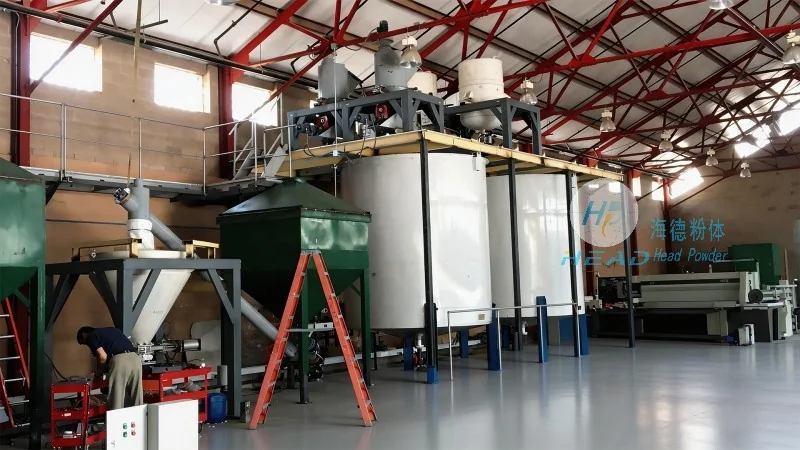
The glass-blasted bead pneumatic conveying machine offers several advantages over traditional material handling methods. It provides a clean and dust-free transport process, which is particularly important for glass-blasted beads that are often used in applications requiring high purity. The system is also highly efficient, as it can transport large quantities of material over long distances with minimal energy consumption. Additionally, the machine is compact and easy to install, making it suitable for various industrial settings. The applications of this machine are diverse, including the transportation of glass-blasted beads in construction, insulation, and coating industries. It is also used in the manufacturing of lightweight concrete, where the beads are used as a lightweight aggregate. The machine's ability to handle different bead sizes and densities makes it a versatile solution for various industrial needs. Overall, the glass-blasted bead pneumatic conveying machine is an essential tool for efficient and reliable material transport in modern industrial processes.