

Operation Process and Working Principle of Pneumatic Conveying Machine for Polyethylene Pellet Mater
Polyethylene (PE) pellets are widely used in various industrial applications, and efficient material handling is crucial for maintaining production efficiency and product quality. Pneumatic conveying systems, particularly those designed for polyethylene pellets, offer a reliable and effective solution for transporting these materials from one location to another within a manufacturing facility. This article provides an in-depth look at the operation process and working principle of a pneumatic conveying machine specifically tailored for polyethylene pellet materials, along with insights into the key components and operational considerations.
About HeadPowder: Your Trusted Partner in Material Handling Solutions
HeadPowder, a leading manufacturer based in Shandong, China, specializes in the design, development, and production of advanced pneumatic conveying equipment. With years of experience in the industry, HeadPowder has established itself as a reliable partner for businesses seeking efficient and durable material handling solutions. The company's commitment to quality, innovation, and customer satisfaction has made it a preferred choice for industries dealing with polyethylene pellets and other bulk materials.
Key Components of a Pneumatic Conveying Machine for Polyethylene Pellets
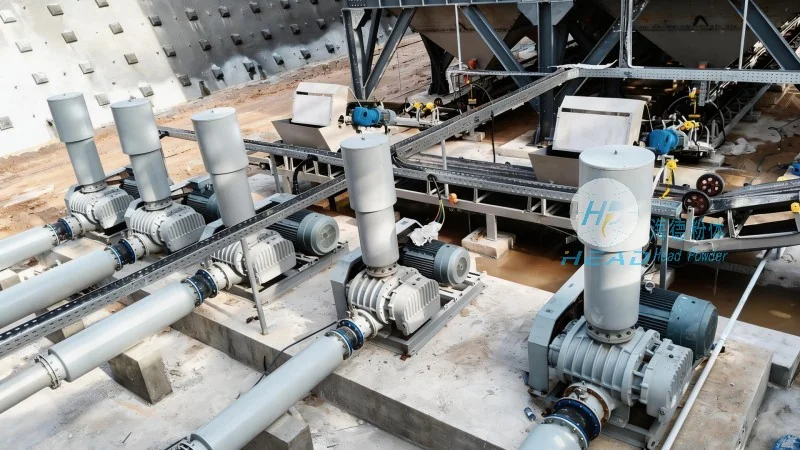
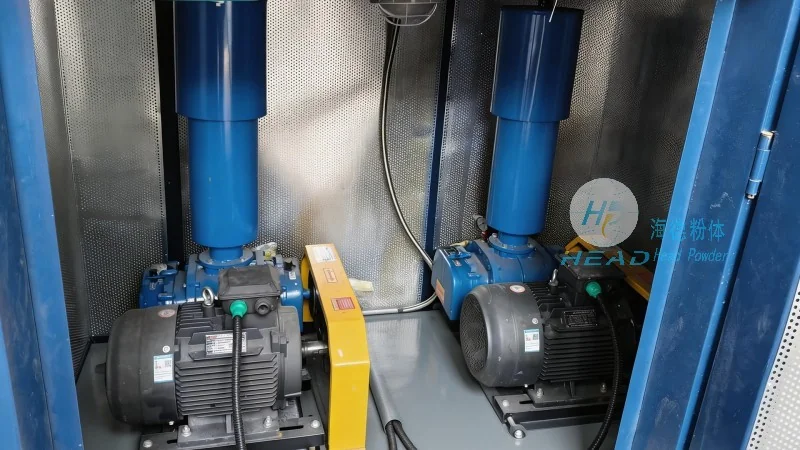
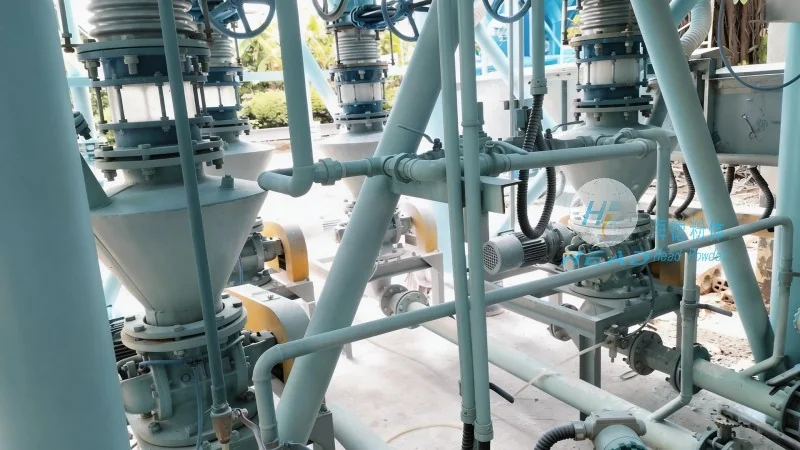
The pneumatic conveying system for polyethylene pellets typically consists of several key components that work in tandem to ensure smooth and efficient material transport. These components include a hopper for material storage, a feeder to control the flow of pellets, a conveying line (often equipped with air ducts), a receiver for the discharged material, and a blower or compressor to generate the necessary air pressure. Each component plays a critical role in the overall operation of the system, and their proper integration is essential for optimal performance.
The Operation Process of the Pneumatic Conveying Machine
The operation process of a pneumatic conveying machine for polyethylene pellets involves several sequential steps. First, the polyethylene pellets are loaded into the hopper from a storage silo or container. The feeder then regulates the flow of pellets into the conveying line, ensuring a consistent and controlled feed rate. Simultaneously, the blower or compressor generates high-pressure air, which is introduced into the conveying line. As the air flows through the line, it lifts and transports the polyethylene pellets from the hopper to the receiver. The receiver collects the discharged pellets, which can then be further processed or stored. The entire process is automated and can be controlled through a user-friendly interface, allowing operators to monitor and adjust the system parameters as needed.
Working Principle of the Pneumatic Conveying System
The working principle of the pneumatic conveying system for polyethylene pellets is based on the principle of fluidization and air movement. The blower or compressor provides the necessary air pressure to create a flow of air through the conveying line. This air flow creates a low-pressure zone in the hopper, which draws the polyethylene pellets into the conveying line. The pellets are then carried along by the air stream, suspended in the air, and transported to the receiver. The velocity of the air and the size of the pellets determine the conveying capacity and efficiency of the system. Proper design of the conveying line, including the use of bends, elbows, and expansion joints, is crucial to minimize pressure losses and ensure smooth material flow.
Advantages of Using a Pneumatic Conveying Machine for Polyethylene Pellets
There are several advantages to using a pneumatic conveying machine for polyethylene pellets. Firstly, it offers a dust-free and clean operation, which is essential for maintaining product quality and preventing contamination. Unlike mechanical conveyors, pneumatic systems do not involve direct contact between the material and the conveyor components, reducing the risk of product degradation or damage. Secondly, pneumatic conveying systems are highly flexible and can be easily integrated into existing production lines. They can transport materials over long distances and through multiple points of use, providing greater operational flexibility. Additionally, these systems are relatively low maintenance, with fewer moving parts compared to traditional mechanical conveyors, resulting in lower operational costs and longer service life.
Operational Considerations and Best Practices
When operating a pneumatic conveying machine for polyethylene pellets, several considerations should be taken into account to ensure optimal performance and longevity of the equipment. Firstly, the material characteristics, such as particle size, density, and moisture content, should be carefully evaluated to determine the appropriate conveying system design. Proper sizing of the hopper, feeder, and conveying line is crucial to prevent blockages and ensure consistent material flow. Regular maintenance, including cleaning of the hopper and conveying line, checking the blower or compressor performance, and inspecting for any leaks or wear, is essential to maintain the system's efficiency. Additionally, monitoring the air pressure and flow rates during operation can help identify any issues early and prevent system downtime.