

Operation Process and Working Principle of Stabilizer Powder Material Pneumatic Conveying Machine
Stabilizer powder material pneumatic conveying machines are essential equipment in modern industrial processes, designed to efficiently transport bulk powder materials like stabilizers. These machines utilize pneumatic technology to move materials through a system of pipes and valves, ensuring safe, reliable, and efficient material handling. The operation of such machines involves a series of steps that work together to achieve optimal performance, and understanding these processes is crucial for operators and engineers in various industries.
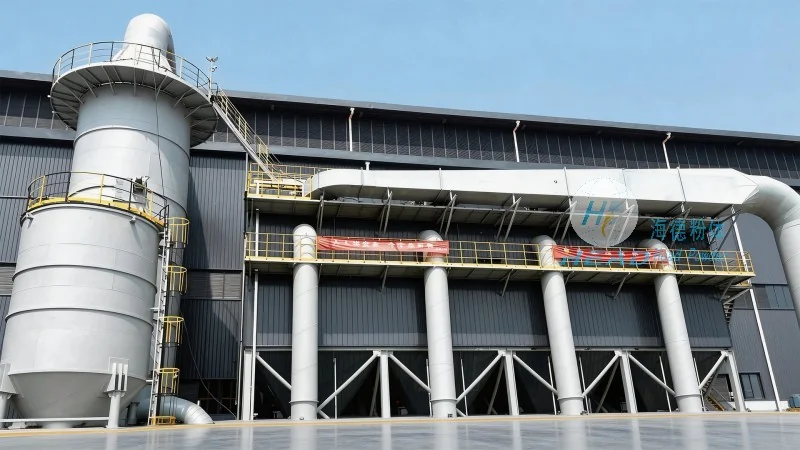
Company Overview: Shandong HeadPowder Engineering Co., Ltd.
Headpowder, as the manufacturer of these advanced pneumatic conveying systems, is a leading company in the field of powder handling technology. With a strong focus on innovation and quality, Headpowder has established itself as a trusted provider of industrial equipment for the chemical, food, and pharmaceutical sectors. The company’s headquarters is located in Shandong, China, where it operates a state-of-the-art manufacturing facility equipped with the latest technology and skilled workforce. Headpowder’s commitment to excellence is reflected in its rigorous quality control measures and customer-centric approach, ensuring that every product meets the highest standards of performance and reliability.
Key Components of Pneumatic Conveying Systems
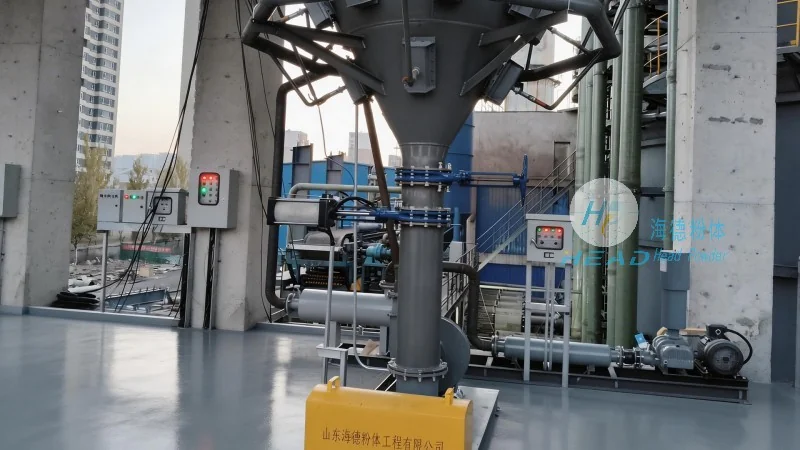
Before delving into the operation process, it is important to understand the key components that make up a stabilizer powder material pneumatic conveying machine. These components include the hopper, which holds the powder material; the feeder, which controls the flow rate; the air compressor, which generates the necessary air pressure; the pipeline system, which transports the material; and the control panel, which monitors and regulates the entire system. Each component plays a critical role in the overall functionality of the machine, and their proper integration is essential for smooth operation.
Working Principle of Pneumatic Conveying
The working principle of a stabilizer powder material pneumatic conveying machine is based on the use of compressed air to create a flow of material through the system. When the feeder releases the powder into the hopper, the air compressor supplies high-pressure air to the pipeline. This air then mixes with the powder, creating a slurry-like mixture that is propelled through the pipes. The velocity of the air and the design of the pipeline determine the efficiency of the conveying process, ensuring that the material is transported to the desired destination without clogging or loss. The control panel continuously monitors parameters such as pressure, flow rate, and temperature, adjusting the system as needed to maintain optimal performance.
Operation Process: Step-by-Step Guide
The operation process of a stabilizer powder material pneumatic conveying machine involves several key steps that must be followed to ensure safe and efficient operation. The first step is to prepare the system by checking all components for proper functioning, including the air compressor, feeder, and pipeline. Next, the hopper is filled with the stabilizer powder material, and the feeder is adjusted to the desired flow rate. The air compressor is then started, and the system is activated by opening the control panel. As the system runs, the powder is conveyed through the pipeline to the destination, such as a storage tank or processing unit. The control panel continuously monitors the system, and any issues, such as pressure drops or material blockages, are detected and addressed immediately. The process concludes when the material has been fully transferred, and the system is shut down and cleaned as per the maintenance schedule.
Advantages of Using Pneumatic Conveying Machines
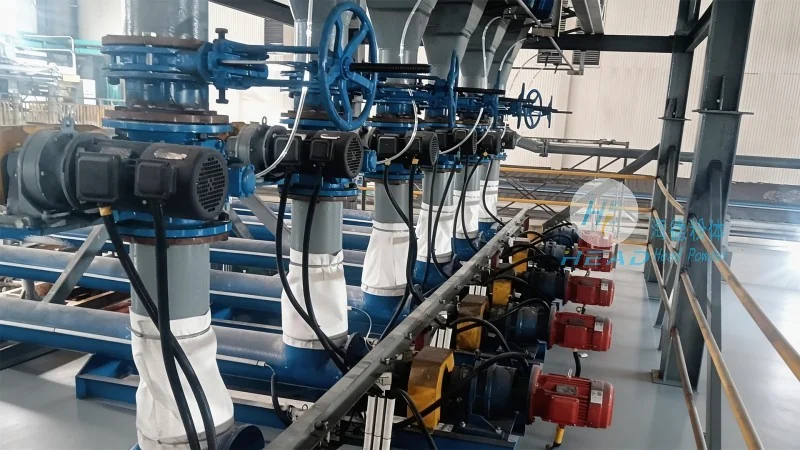
Stabilizer powder material pneumatic conveying machines offer several advantages over traditional material handling methods. One of the primary benefits is the ability to transport materials in a closed system, which prevents contamination and dust emissions, making it ideal for use in industries where hygiene and environmental compliance are critical. Additionally, these machines are highly efficient, with low energy consumption and minimal maintenance requirements. They also provide flexibility in terms of material handling, as they can transport materials over long distances and through complex pipe networks. The automated control systems further enhance operational efficiency, reducing the need for manual intervention and minimizing the risk of human error.
Applications in Various Industries
The versatility of stabilizer powder material pneumatic conveying machines makes them suitable for a wide range of applications across different industries. In the chemical industry, these machines are used to transport stabilizers for plastic and rubber production, ensuring consistent quality and reducing material waste. In the food and pharmaceutical sectors, they are employed to handle ingredients and raw materials, maintaining strict hygiene standards and preventing cross-contamination. The automotive and construction industries also benefit from these systems, as they efficiently transport powders used in coatings, adhesives, and concrete mixtures. Headpowder’s expertise in customizing these machines to meet specific industry requirements has made them a preferred choice for businesses seeking reliable and efficient material handling solutions.